
Understanding the delicate relationship between light and growth is the key to placing this groundcover in a position where it can truly flourish. You should recognize that while this species is often marketed as a shade plant, its performance is highly dependent on the quality and duration of the light it receives. Finding the “sweet spot” in your garden will result in denser foliage, more prolific flowering, and a much more resilient plant. By mastering the light requirements of this woodland native, you can create a stunning green carpet in even the most challenging corners of your yard.
Optimal light exposure levels
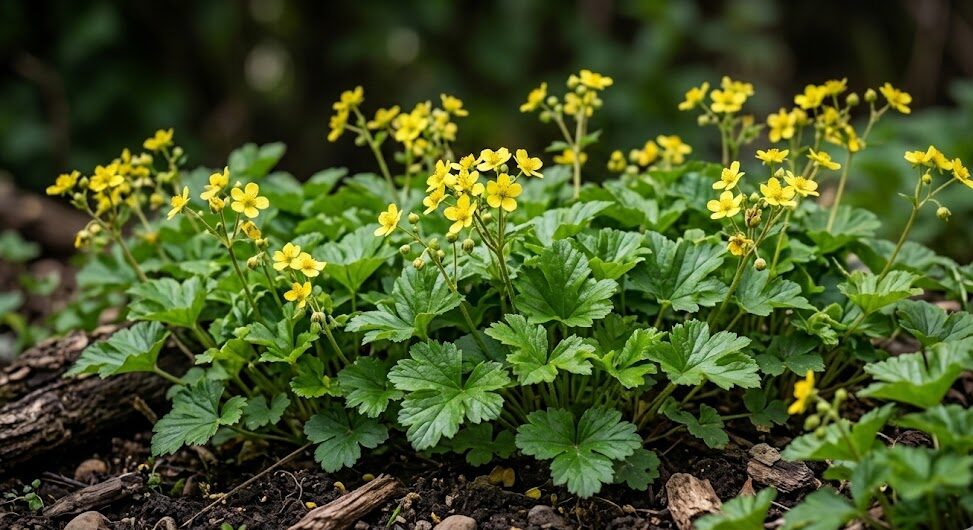
The ideal lighting for this species is dappled sunlight or partial shade, which mimics the natural environment of a temperate forest floor. You should aim for a location that receives about three to six hours of sunlight, preferably in the morning or late afternoon when the intensity is lower. This amount of light provides enough energy for the plant to produce its vibrant yellow flowers without causing the leaves to scorch or dry out. If you provide this perfect balance, the plants will grow quickly and form a dense, healthy mat.
Deep shade is tolerated by the plant, but you will notice that the growth rate is slower and the flowering is significantly reduced. You should use it in these areas primarily as a foliage plant, as it will still provide a nice green cover even if it doesn’t bloom as heavily. If the shade is too dense, such as under very low-branching evergreens, the plant may become a bit thin or leggy as it reaches for more light. In these cases, you might want to prune back nearby branches to allow a bit more light to filter down to the ground.
Direct afternoon sun is the most challenging environment for this species, especially in hotter climates where the sun is very intense. You should avoid planting it in spots where it will be exposed to the harsh mid-day sun for several hours, as this can lead to leaf burn and chronic stress. If you do have it in a sunny spot, you must be much more diligent about providing consistent moisture to help the plant cope with the heat. In most gardens, a location on the east or north side of a building or under a high-canopy tree is the best choice.
The transition between light levels should be handled with care if you are moving plants from a nursery or another part of your garden. You should give them a few days to acclimate to their new light environment by providing a bit of temporary shade if the new spot is significantly brighter. This prevents “light shock,” which can cause the leaves to turn yellow or drop off suddenly as the plant struggles to adjust. A gradual introduction to more light is always safer and more successful than a sudden change in exposure.
More articles on this topic
Shade adaptation and resilience
One of the greatest strengths of this plant is its ability to adapt to a wide range of shade conditions while still maintaining its groundcover function. You should appreciate how it can fill the difficult gaps in your garden where grass and other sun-loving plants simply cannot survive. Its large, flat leaves are designed to capture as much light as possible in the low-light environment of the forest floor. This evolutionary adaptation makes it a reliable choice for the “problem areas” of many residential and commercial landscapes.
In heavy shade, the plant’s strategy shifts from rapid expansion and flowering to survival and steady, slow growth. You should not expect the same level of density or the same carpet-like appearance in deep shade that you would see in a brighter spot. However, the plant remains a valuable tool for suppressing weeds and protecting the soil surface even in these lower-light conditions. It is one of the few groundcovers that can truly be called a “shade specialist” while still offering some ornamental value.
Managing the soil moisture in shaded areas is a bit different because evaporation rates are much lower than in the sun. You should be careful not to overwater plants in the shade, as the soil can stay wet for a long time, leading to the fungal issues mentioned in previous articles. Check the soil frequently and only water when the top inch or two has started to dry out. A shaded site that is also well-drained is the ultimate goal for anyone looking to grow this species successfully in a low-light environment.
The color of the foliage can actually change slightly depending on the amount of light the plant receives in your garden. You should notice that in deeper shade, the leaves often become a darker, richer green as the plant produces more chlorophyll to maximize its light intake. In brighter spots, the foliage might be a lighter, more yellowish-green, which is also healthy as long as there is no scorching. Observing these subtle color shifts can help you understand exactly how your plants are responding to their specific light exposure.
More articles on this topic
Managing seasonal light shifts
The light levels in your garden will change significantly throughout the year as the sun moves across the sky and trees gain or lose their leaves. You should pay attention to how a spot that is in deep shade in the summer might actually be in full sun during the late autumn and early spring. This species is well-adapted to this cycle, as it does much of its flowering and active growth in the spring before the large trees have fully leafed out. This “vernal window” is a critical time for the plant’s energy production.
During the winter, when deciduous trees are bare, the groundcover will be exposed to much more light than it receives during the summer months. You should be aware that the combination of bright winter sun and freezing temperatures can be stressful for the evergreen foliage. Providing a bit of mulch or a light covering of evergreen boughs can help protect the plants during this period of high light and low temperature. This seasonal management ensures the leaves stay healthy and ready to go once the spring arrives.
If you find that your groundcover area is becoming too shady over time as your landscape matures, you may need to intervene. You should consider “limbing up” your trees or thinning out the canopy to allow more light to reach the garden floor. This is a common part of garden maintenance and will benefit all of the plants growing under the trees, not just your groundcover. A little bit of selective pruning can dramatically increase the vitality and beauty of a shaded garden bed.
Conversely, if a large tree is removed and the area is suddenly in full sun, you must act quickly to protect your shade-loving groundcover. You should consider planting a new, faster-growing tree or a large shrub to restore the shade that the plants need to thrive. In the meantime, providing extra water and perhaps a temporary shade structure can help the plants survive the transition to a sunnier environment. Being proactive about managing light changes is a hallmark of a thoughtful and professional gardener.