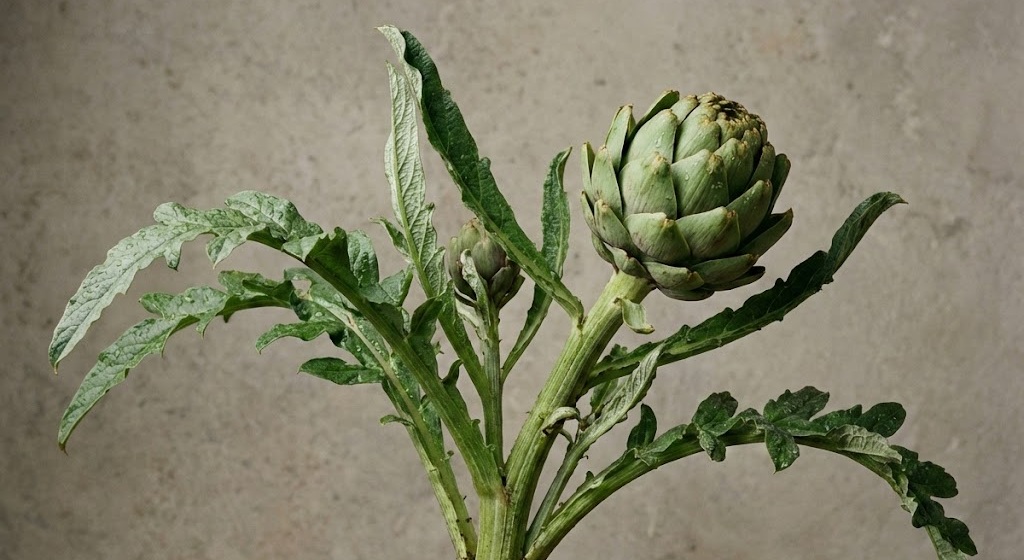

Providing the correct amount of light is fundamental to the health and productivity of the artichoke plant. These Mediterranean natives have evolved to thrive under intense solar radiation and long days of sunshine. You must consider the light patterns in your garden before selecting a permanent planting site for these large perennials. A lack of adequate light can lead to weak, spindly plants and a significant reduction in the quality of the harvest.
Artichokes are classified as full-sun plants, meaning they require at least six to eight hours of direct sunlight every day. You should observe your garden throughout the day to identify areas that receive the most consistent exposure. Avoid planting them near tall buildings, dense hedges, or under the canopy of large trees. The more light the plant receives, the more energy it can produce for its massive leaves and flower heads.
In regions with shorter growing seasons, maximizing light exposure is even more critical for success. You should place your artichoke bed on a south-facing slope if possible to capture the maximum amount of solar energy. Reflective surfaces like white walls or light-colored fences can also help in boosting the total light available to the plants. Providing every possible advantage will help the plant complete its lifecycle within the available time.
The quality of the light is just as important as the quantity, with the morning sun often being the most beneficial. Early sun helps to dry the dew from the leaves, reducing the risk of fungal infections that thrive in damp, dark conditions. Afternoon sun provides the intense heat and light needed for the complex chemical processes that create the plant’s flavor. Balancing these needs throughout the day is the hallmark of a well-placed garden.
Photoperiodism and growth stages
The length of the day, known as the photoperiod, plays a significant role in triggering different stages of the artichoke’s growth. You will notice that the plant remains in a vegetative state during the shorter days of early spring, focusing on leaf production. As the days lengthen towards the summer solstice, the plant is naturally signaled to begin developing its flower stalks. Understanding this natural rhythm allows you to time your care and fertilization activities more effectively.
More articles on this topic
If the plant does not receive enough light during its vegetative phase, it may not have enough energy to produce buds when the time comes. You might see a lot of leaves but very few flower heads, which is often a result of inadequate solar input. Ensuring a strong start with plenty of light is the best way to guarantee a productive harvest later in the year. The plant essentially “stores” the sun’s energy in its root system to fuel the demanding flowering process.
In some cases, the intensity of the light can actually be too much during the peak of the summer heat. You must watch for signs of sunscald on the leaves or premature opening of the buds if the temperatures are exceptionally high. Providing some light, filtered shade during the hottest part of the afternoon can help maintain the quality of the crop. This is a common practice in desert or tropical climates where the sun’s intensity is extreme.
The transition from flowering back to a vegetative or dormant state is also influenced by the shortening days of autumn. You will see the plant’s energy levels begin to drop as the amount of daily light decreases. This is a natural part of the lifecycle and signals that it is time to start preparing the plant for the winter months. Respecting these seasonal light changes is essential for the long-term health of your perennial artichokes.
Impact of shade on development
While artichokes are sun-lovers, they can tolerate a very small amount of shade, but it will always come at a cost to productivity. You should be aware that plants grown in partial shade will likely be smaller and have a more open, “leggy” growth habit. The flower heads will also be fewer in number and may lack the tight, dense structure that is desirable for culinary use. Shade-grown plants are also more susceptible to pests and diseases due to the less robust nature of their tissues.
More articles on this topic
If you must plant in a less-than-ideal spot, try to ensure that the plants get at least the morning sun. This helps with the critical task of drying the foliage and provides the plant with a jumpstart for its daily metabolic activities. You should avoid areas that are in deep shade for the entire day, as the artichoke will likely fail to thrive or produce any harvest at all. Choosing the sunniest possible location is always the best strategy for this particular crop.
Competing for light with neighboring plants is a common issue in crowded gardens. You must space your artichokes far enough apart so that they do not shade each other as they grow to their full size. A mature artichoke can have a spread of over one meter, and its large leaves can easily block the sun for smaller plants nearby. Proper planning of the garden layout is essential to ensure that every plant gets the light it needs to flourish.
In urban environments, the “sky view” can be limited by surrounding structures, which reduces the total amount of available light. You might consider using containers on a balcony or rooftop if your ground-level garden is too shady. This allows you to place the plants in the most sun-drenched positions available on your property. Moving the plants to follow the sun is a unique advantage of container gardening for light-hungry species like the artichoke.