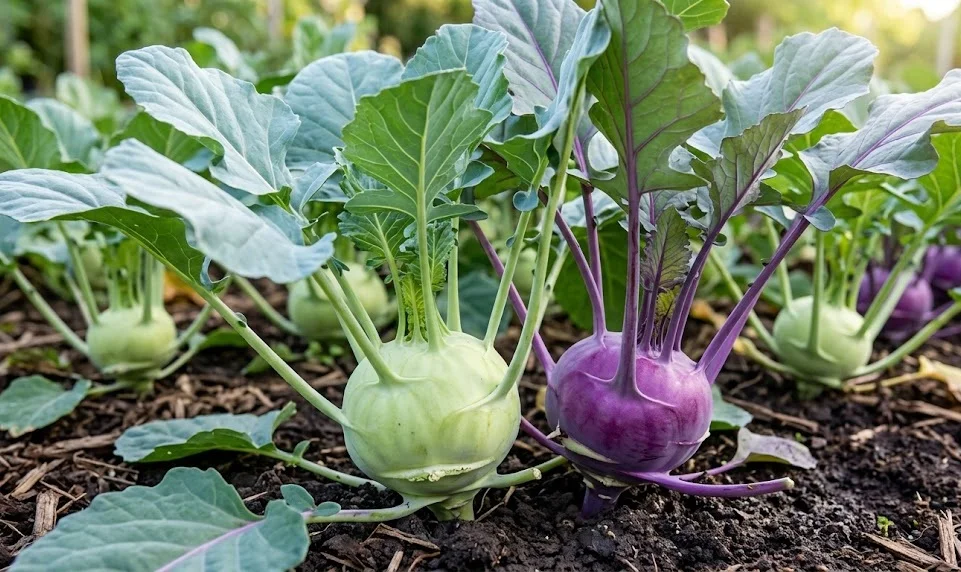

Providing the correct amount of light is a fundamental professional requirement for the successful development of kohlrabi in any agricultural or garden setting. You must understand that this plant relies on solar energy to produce the sugars that create the sweet flavor and crisp texture of the edible bulbs. A professional approach to light management ensures that each vegetable receives the maximum possible exposure throughout the day to support its rapid growth. By carefully selecting your planting site and managing the surrounding environment, you create the ideal conditions for your kohlrabi to thrive and reach its full potential.
Kohlrabi is generally classified as a full-sun vegetable, meaning it requires at least six to eight hours of direct sunlight each day for optimal growth and development. You will find that plants grown in too much shade often become leggy and produce small, woody bulbs that are disappointing for the professional gardener. If your garden has limited sunlight, you should prioritize the sunniest spots for your brassica crops to ensure they have the energy they need. A professional gardener observes the path of the sun throughout the seasons to plan their garden layout with precision and care.
The quality of the light is just as important as the quantity, and you should ensure that your plants are not shaded by taller neighbors or overhanging trees during the peak hours of the day. You might find that using reflective mulches or placing your beds near a white wall can help to increase the light levels around your kohlrabi plants. This professional attention to detail can make a significant difference in the speed of development and the overall yield of your garden. Monitoring the shadows in your garden at different times of the year will help you refine your planting strategy for the future.
While kohlrabi loves the sun, you must also be aware of the relationship between light and temperature, especially during the warmer parts of the growing season. Intense afternoon sun can sometimes cause the soil to dry out too quickly or lead to heat stress in the large, succulent leaves of the plant. A professional approach may involve providing some light afternoon shade in very hot climates to help the plants stay cool while still getting enough light for growth. Balancing these factors is a hallmark of a professional grower who understands the complex needs of their vegetable crops.
Photosynthesis and bulb development
Photosynthesis is the professional engine that drives the growth of your kohlrabi, and the leaves are the solar panels that capture the necessary energy from the sun. You should focus on maintaining healthy, vibrant green foliage to ensure that the plant is producing as much food as possible for the developing bulb. Any damage to the leaves from pests or disease will directly impact the plant’s ability to photosynthesize and can lead to a smaller and less flavorful harvest. A professional grower understands that the health of the leaves is the key to the success of the entire plant.
More articles on this topic
The size and thickness of the kohlrabi leaves are professional indicators of how well the plant is responding to its light environment and nutrient levels. You will notice that plants in high-light conditions often have darker, more robust foliage that is better equipped to handle the stresses of the outdoor environment. Providing adequate spacing between your plants ensures that each leaf has access to the light it needs and is not shaded by its neighbors in the row. This professional consideration for the individual needs of each plant is what sets high-quality vegetable production apart from casual gardening.
Light intensity also affects the chemical composition of the kohlrabi bulb, influencing everything from the vitamin content to the specific flavor compounds present in the flesh. You might find that bulbs grown in bright, consistent light have a more balanced and complex flavor profile than those grown in marginal conditions. Professional agricultural research has shown that adequate light is essential for the synthesis of many of the beneficial nutrients that make kohlrabi such a healthy choice. Your commitment to providing the best possible light environment is a professional investment in the nutritional quality of the food you grow.
During the shorter days of the early spring and late autumn, you should be especially careful to maximize every hour of available sunlight for your kohlrabi crop. This might involve removing any temporary covers as soon as the weather permits and ensuring your beds are clear of any debris that could block the low winter sun. A professional gardener is always looking for ways to optimize the growing environment and help their plants make the most of the resources available. By understanding the professional science of light and photosynthesis, you can achieve more consistent and impressive results in your garden year after year.
Managing light and heat
In regions with very intense summer sun, you may need to manage the light levels professionally to prevent your kohlrabi from becoming over-stressed or bolting prematurely. You can use light-weight shade cloths that block a portion of the solar radiation while still allowing enough light for the plants to photosynthesize effectively. This professional technique can lower the air and soil temperature significantly, helping the vegetables to remain tender and sweet even when the weather is hot. It is important to remove these covers when the temperatures drop to ensure the plants get the full benefit of the available sun.
More articles on this topic
The orientation of your garden rows can also be used as a professional tool for managing the balance between light and heat in your vegetable beds. You might choose to align your rows so that the plants provide some shade for each other during the hottest part of the afternoon, while still receiving full morning and evening sun. This natural shading can help to protect the sensitive bulbs from being scorched or becoming too warm, which would compromise their professional quality. A professional layout is always designed with the specific needs of the local climate and the chosen crops in mind.
Watering your kohlrabi more frequently during periods of high light and heat is a professional necessity to compensate for the increased evaporation and transpiration. You will find that keeping the root zone cool and moist helps the plant to handle the intensity of the sun without wilting or suffering from moisture stress. A professional irrigation schedule is adjusted daily based on the intensity of the light and the current temperature to ensure the plants stay in peak condition. Your dedication to this level of professional care will be reflected in the health and vigor of your garden throughout the season.
Finally, consider the role of soil color and texture in how it absorbs and reflects light and heat around your kohlrabi plants professionally. Lighter-colored mulches or soils reflect more light back onto the leaves, which can be beneficial in cooler climates or during the shorter days of the year. In contrast, dark soils or mulches absorb more heat, which can be helpful for warming the ground in the spring but may contribute to overheating in the summer. A professional grower uses all the tools at their disposal to create a microclimate that perfectly supports the growth and development of their high-quality vegetables.
Light and seasonal changes
As the seasons progress, the angle and intensity of the sun change significantly, and you must adjust your professional garden management to keep up with these shifts. In the spring, you should focus on getting your kohlrabi into the ground as soon as the light levels are sufficient to support growth and the soil has warmed. The increasing day length provides a natural boost to the plants, helping them to establish quickly and begin forming their bulbs before the heat of summer arrives. A professional approach to seasonal timing is the key to maximizing your success and avoiding common environmental pitfalls.
During the peak of the summer, you will have the maximum amount of light available, but the high heat may require you to be more professional in your monitoring and protection efforts. You should ensure that your plants are well-hydrated and that you are using mulches and shade covers as needed to manage the intense solar energy. This is also the time when weeds grow most rapidly, so you must stay on top of your professional maintenance to ensure they do not shade out your kohlrabi. A professional garden is always a dynamic space that requires constant attention and adjustment throughout the year.
In the autumn, the decreasing light levels and shorter days will naturally slow the growth of your kohlrabi, but the cooler temperatures can enhance the quality of the harvest. You should ensure that your plants are located in the sunniest possible spots to make the most of the limited light available during this professional late-season window. Many growers find that the kohlrabi produced during this time is the most delicious of all, as the cool nights and bright days concentrate the flavors perfectly. A professional approach to autumn gardening focuses on protecting the crop from early frosts while maximizing the remaining solar energy.
By understanding the professional relationship between kohlrabi and light across all the seasons, you can plan a more productive and reliable garden for the long term. You will learn over time how the different parts of your site respond to the changing path of the sun and how to use this knowledge to your professional advantage. Every season brings new challenges and opportunities, and your ability to adapt your light management will define your success as a gardener. Your commitment to providing the best possible light for your vegetables is a professional standard that ensures a bountiful and high-quality harvest every time.