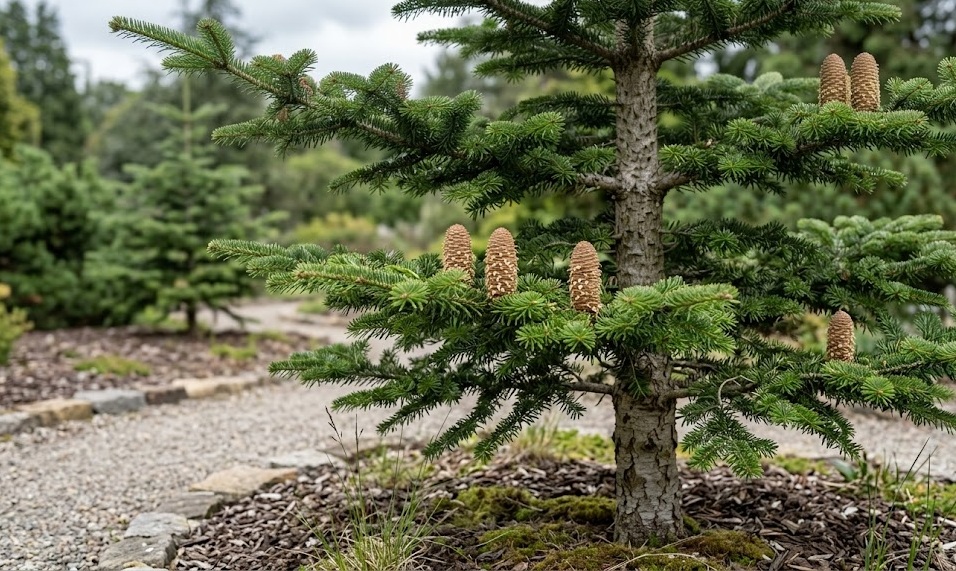

Mastering the irrigation and fertilization of the Greek fir is essential for maintaining its vigor and ensuring it can withstand the pressures of a changing climate. As a species adapted to mountainous regions with specific rainfall patterns, it requires a hydration strategy that avoids both the stress of drought and the dangers of waterlogging. Similarly, its nutritional needs must be met with a professional understanding of how soil chemistry influences needle color and structural growth. By implementing a precise and observant approach to these two pillars of care, you can foster a tree that remains a healthy and vibrant centerpiece of your garden for decades.
Principles of effective irrigation
Establishing a consistent and effective watering routine is the single most important factor in the early life of a Greek fir. You must recognize that the water needs of a newly planted tree are vastly different from those of an established specimen with a deep root system. During the first two growing seasons, the soil around the root ball should be kept consistently moist but never allowed to become a saturated swamp. You should check the moisture level by digging a few inches into the soil; if it feels dry to the touch, it is time to provide a deep, slow soaking.
The method of delivery is just as important as the frequency of watering when it comes to the long-term health of the roots. You should always aim to water deeply and infrequently rather than providing shallow, daily sprinkles that only wet the surface. This practice encourages the roots to grow deeper into the earth in search of moisture, which makes the tree much more resilient during hot, dry spells. Using a soaker hose or a drip irrigation system is the most efficient way to deliver water directly to the root zone while minimizing evaporation.
As the Greek fir matures, its natural drought tolerance increases, but it still requires supplemental irrigation during extended periods of dry weather. You should pay close attention to the weather patterns in late summer and early autumn, as this is when “invisible” drought stress can occur. If the needles begin to lose their luster or the tree shows signs of wilting at the tips, it is a clear signal that the deep soil reserves have been depleted. A heavy watering before the ground freezes in winter is also critical for helping the evergreen survive the drying winds of the cold season.
Environmental factors such as wind, temperature, and soil type will dictate how often you need to pull out the garden hose. Trees planted in sandy, fast-draining soils will naturally require more frequent watering than those in heavier clay-based soils that hold onto moisture longer. You should also consider the impact of nearby competition from grass or other shrubs, which can strip the soil of water before the tree can access it. Maintaining a clear, mulched area around the base of the tree will significantly reduce this competition and keep the moisture where it is needed most.
More articles on this topic
Strategic fertilization for optimal health
Fertilizing a Greek fir is not about forcing rapid growth, but rather about providing the essential building blocks for a strong and resilient structure. You should avoid the temptation to over-fertilize, as this can lead to weak, “leggy” growth that is more susceptible to storm damage and pest attacks. A professional approach involves testing the soil first to identify any specific nutrient deficiencies before applying any products. In most healthy garden soils, a light application of a balanced, slow-release fertilizer in the early spring is all that is required to support the year’s growth.
The timing of fertilizer application is crucial to ensure the tree can actually utilize the nutrients provided during its most active phases. You should aim to apply fertilizer just as the buds begin to swell in late March or April, which aligns with the tree’s natural surge in energy. Avoid fertilizing in the late summer or autumn, as this can stimulate new growth that won’t have time to “harden off” before the first frosts arrive. This tender late-season growth is easily killed by freezing temperatures, which can open the door for diseases to enter the tree.
Choosing the right type of fertilizer depends on your soil’s pH and the overall appearance of the foliage you are observing. If your needles are looking a bit pale or yellowish, a fertilizer with a slightly higher nitrogen content or added iron and magnesium might be necessary. Organic options, such as well-composted manure or specialized evergreen fertilizers, are excellent because they release nutrients slowly over several months. These organic amendments also improve the overall soil structure and encourage the growth of beneficial microorganisms that assist in nutrient uptake.
Proper application techniques ensure that the fertilizer reaches the roots without causing any harm to the tree’s delicate bark or surface roots. You should spread the fertilizer evenly over the entire area under the tree’s canopy, extending slightly beyond the “drip line” where the most active roots are located. Always water the area thoroughly after applying granular fertilizer to help wash the nutrients down into the soil and prevent root burn. Keeping the fertilizer several inches away from the main trunk is a simple but vital step to avoid localized chemical irritation.
More articles on this topic
Managing micronutrients and soil pH
The availability of nutrients to your Greek fir is heavily influenced by the acidity or alkalinity of the soil in which it is planted. You must understand that even if the soil is rich in minerals, a pH that is too high (alkaline) can “lock” these nutrients away, making them inaccessible to the tree. Greek firs generally prefer a pH that is slightly on the acidic side, ideally between 5.5 and 7.0. If your soil is naturally alkaline, you may need to apply elemental sulfur or iron chelates periodically to ensure the tree can maintain its deep green color.
Magnesium and iron are two micronutrients that are particularly important for the health of conifer needles and the process of photosynthesis. A deficiency in magnesium often shows up as a browning or yellowing of the older, inner needles while the new growth remains green. You can correct this by applying Epsom salts (magnesium sulfate) dissolved in water around the base of the tree in early spring. Iron deficiency, on the other hand, causes “interveinal chlorosis” in the new needles, which can be addressed with foliar sprays or soil-applied iron supplements.
Regularly adding organic matter to the soil is the most sustainable way to manage micronutrient levels and buffer the pH over the long term. You should encourage the accumulation of a natural “duff” layer of fallen needles and organic mulch, as this slowly decomposes and releases a complex array of minerals. This natural recycling process mimics the conditions of a forest floor and provides a more balanced nutritional profile than synthetic fertilizers alone. By fostering a living soil, you create a self-sustaining environment that requires less intervention from you as the tree grows.
It is important to remember that more is not always better when it comes to supplementing the diet of your Greek fir. Toxicities can occur if certain minerals, such as boron or manganese, are applied in excess, leading to stunted growth or leaf tip dieback. You should always follow the application rates recommended by soil test results or the instructions on the fertilizer packaging. A “less is more” philosophy often results in a heartier, more naturally beautiful tree that is better equipped to handle the stresses of the environment.
Water and nutrient interaction in the root zone
The relationship between water and nutrients is a dynamic one that occurs in the narrow region of soil immediately surrounding the roots. You must ensure that the soil has adequate pore space to allow for the movement of oxygen, which is required for the roots to actively take up nutrients. In waterlogged soil, the roots cannot breathe, and their ability to absorb essential elements like potassium and phosphorus is severely impaired. This is why excellent drainage is just as important for the tree’s nutrition as it is for preventing rot and other moisture-related diseases.
During periods of high rainfall or heavy irrigation, soluble nutrients like nitrogen can be washed away, or “leached,” from the root zone before the tree can use them. You should be aware of this, especially in sandy soils, and may need to provide a light supplemental feeding if the spring has been exceptionally wet. Conversely, during a drought, the concentration of salts in the soil can increase, which can draw moisture out of the roots and cause chemical stress. Maintaining a consistent moisture level helps to stabilize the concentration of nutrients and prevents these harmful fluctuations.
Mycorrhizal fungi play a vital role in this water-nutrient interaction by extending the reach of the tree’s root system through a symbiotic relationship. You can support these beneficial fungi by avoiding the use of high-phosphorus fertilizers and broad-spectrum fungicides that can disrupt their delicate networks. These fungi are experts at scavenging for phosphorus and water in the soil, delivering them to the tree in exchange for sugars produced during photosynthesis. A tree with a healthy mycorrhizal community is significantly more efficient at using the resources available in the soil.
Observation is your most powerful tool in managing the delicate balance of water and food for your Greek fir throughout the year. You should get to know the “normal” look of your tree so that you can spot the subtle changes that indicate a need for more water or a specific nutrient. Taking a holistic view of the tree’s environment—considering the soil, the weather, and the surrounding plants—will help you make informed decisions. This expert-level care ensures that your Greek fir doesn’t just survive, but truly flourishes as a magnificent specimen in your collection.
Long-term monitoring and adjustments
As your Greek fir grows from a small sapling into a towering specimen, its requirements for water and nutrients will continue to evolve. You will find that an older tree needs less frequent attention but requires much larger volumes of water when you do decide to irrigate. The root system of a mature fir can extend well beyond the width of its branches, meaning your watering and fertilizing zone must expand accordingly. Continuing to apply resources only at the base of a large tree is a common mistake that leaves the most active roots underserved.
The impact of climate change and local weather shifts should also be factored into your long-term management plan for the tree. You might find that summers are becoming hotter and drier, necessitating the installation of a more permanent irrigation system or a thicker layer of mulch. Being flexible and willing to adjust your routines based on the actual conditions of the year is the mark of a truly professional gardener. Your goal is to provide a buffer against the extremes of the weather, allowing the tree to maintain its health even during challenging seasons.
Periodic soil testing every three to five years is a highly recommended practice to keep track of the changing chemistry of your garden. Over time, the decomposition of mulch and the uptake of minerals by the tree will shift the pH and nutrient levels in ways that are not always predictable. These tests provide a scientific baseline that removes the guesswork from your maintenance routine and ensures you are not applying unnecessary chemicals. It is a cost-effective way to ensure you are providing exactly what the tree needs for continued success.
Ultimately, the goal of a professional irrigation and fertilization program is to create a tree that is largely self-sufficient and naturally resilient. By providing the right start and consistent, informed support during its growth, you are building the foundation for a specimen that can live for a century or more. The Greek fir is a testament to the beauty of the Mediterranean mountains, and with your expert care, it can bring that same enduring majesty to your own landscape. Your commitment to these details is what separates a simple planting from a successful lifelong arboricultural project.