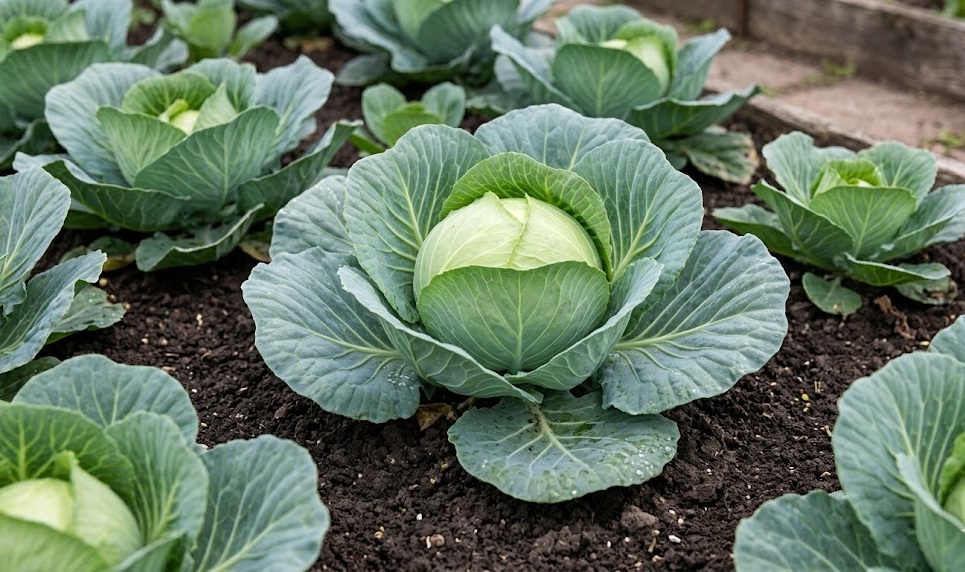

Irrigation and fertilization are the two pillars of productivity when it comes to growing professional-grade head cabbage in any garden. You must understand that cabbage is a water-intensive crop that requires a steady and reliable supply of moisture to form dense heads. Simultaneously, its rapid growth demands a high concentration of specific nutrients that must be available in the soil at all times. Balancing these two elements perfectly is the secret to achieving the massive yields and high quality that expert agriculturists strive for.
Water requirements and management
The watering needs of head cabbage are highest during the heading stage, where the plant builds its heavy internal structure. You should aim to provide at least twenty-five to forty millimeters of water per week through a combination of rain and irrigation. Inconsistent watering can lead to physiological disorders such as tipburn or even the splitting of the mature heads. Professional management involves checking the soil moisture daily to ensure it remains consistently damp but never saturated.
The method of delivery is just as important as the quantity of water you provide to your cabbage plants. You should avoid overhead watering if possible, as wet foliage can encourage the development of fungal diseases on the leaves. Directing the water to the base of the plant ensures that the root system gets the maximum benefit without wasting resources. Using a soaker hose or a targeted watering can is a professional technique that keeps the environment healthy and efficient.
Morning is the ideal time for irrigation because it allows the plants to hydrate before the heat of the day sets in. You should avoid watering late in the evening, as the moisture will sit on the soil and roots for too long without evaporating. This damp environment during the night can attract slugs and provide a breeding ground for harmful bacteria in the garden. A professional schedule respects the natural rhythm of the plant and its ability to process water throughout the daylight hours.
Soil type will significantly influence how often you need to activate your irrigation system for the cabbage crop. You should be aware that sandy soils drain quickly and will require more frequent, shorter watering sessions to keep the plants happy. Clay soils, on the other hand, hold onto moisture longer but can become waterlogged if you are not careful with your application. Understanding the drainage characteristics of your specific plot is a fundamental skill for any professional gardener.
More articles on this topic
Drip irrigation systems
Drip irrigation is widely considered the gold standard for professional cabbage production due to its extreme efficiency and precision. You can install a series of lines with emitters placed directly at the base of each individual cabbage plant in the row. This system delivers water slowly and directly to the root zone, minimizing evaporation and runoff in the field. By using this technology, you ensure that every drop of water is used effectively to support the growth of the vegetable.
Automation of the drip system can save you a significant amount of time while ensuring the plants never miss a watering. You should use a timer to schedule irrigation cycles that correspond with the specific needs of the current growth stage. During hot weather, you can easily increase the frequency of the watering without having to manually tend to the field. Professional systems often include sensors that monitor soil moisture and adjust the output automatically based on real-world data.
One of the greatest benefits of drip irrigation is the reduction of weed growth between the cultivated rows of cabbage. You are only watering the specific area where the crop is growing, leaving the paths and inter-row spaces dry and less hospitable for weeds. This targeted approach simplifies your maintenance routine and reduces the competition for nutrients in the soil. Expert growers appreciate how this technology creates a cleaner and more organized gardening environment for their high-value crops.
Maintenance of the drip lines is necessary to prevent clogs and ensure a uniform distribution of water across the entire field. You should regularly check the emitters for blockages caused by mineral buildup or fine sediment from the water source. Flushing the system at the beginning and end of the season helps maintain its longevity and reliability for years to come. A professional irrigation setup is an investment that pays for itself through improved crop quality and reduced labor costs.
More articles on this topic
Nutrient requirements and timing
Cabbage is a heavy feeder that requires a significant amount of nitrogen to produce its massive amount of leafy biomass. You should focus on providing a balanced supply of macronutrients, including phosphorus and potassium, to support root and head development. Nitrogen is particularly important in the early stages to build the large wrapper leaves that will eventually power the heading process. Professional fertilization plans are based on the specific growth stages of the plant to maximize efficiency.
The first application of fertilizer should occur during the soil preparation phase, before any plants are even in the ground. You should incorporate a slow-release base fertilizer that provides a steady stream of nutrients for the first few weeks of growth. This early boost ensures that the seedlings have everything they need to establish themselves quickly and strongly in the garden. A professional start sets the tone for the entire season and prevents early-season deficiencies that can linger.
Side-dressing is a professional technique where you apply additional fertilizer to the soil surface next to the growing plants. You should perform this task about three to four weeks after transplanting to give the cabbage a second boost of energy. This ensures that the nutrient levels remain high as the plant enters its most rapid phase of expansion and head formation. Be careful not to let the fertilizer touch the leaves or the stem, as the high salt content can cause chemical burns.
The final stage of fertilization should focus on potassium to help the head firm up and improve its storage capabilities. You should avoid heavy nitrogen applications late in the season, as this can lead to soft growth that is more susceptible to rot and pests. Balancing the nutrient ratios as the plant matures is a sign of an expert grower who understands the physiology of the crop. Professional results are the product of careful observation and timely adjustments to the feeding schedule.
Organic fertilization options
Organic fertilizers offer a sustainable and long-term way to build soil health while feeding your cabbage crop effectively. You can use composted manure, which is rich in nitrogen and organic matter, to improve the overall structure of the garden beds. Blood meal is another excellent organic source of quick-acting nitrogen that can be used for mid-season boosting. Professional organic growers rely on these natural materials to create a vibrant soil ecosystem that supports healthy plant growth.
Fish emulsion and seaweed extracts are popular liquid organic fertilizers that provide a wide range of trace minerals and growth hormones. You can apply these as a soil drench or a foliar spray to give the cabbage a quick pick-me-up during periods of stress. These products are easily absorbed by the plants and can help improve their resilience against environmental challenges like heat or drought. Using a variety of organic sources ensures that the cabbage has access to a complete spectrum of nutrients.
Bone meal is a great organic option for providing the phosphorus needed for strong root development and overall plant health. You should mix this into the planting hole at the time of transplanting to ensure it is available where the roots need it most. Phosphorus is essential for the energy transfer processes within the plant and helps in the formation of a solid, heavy head. A professional organic approach considers the long-term fertility of the soil as much as the immediate needs of the crop.
Green manures and cover crops can also play a role in the fertilization strategy for your cabbage patch. You should consider growing a nitrogen-fixing crop like clover in the area before you plant your cabbage the following year. When these plants are tilled into the soil, they release a massive amount of organic nitrogen and improve the soil’s moisture-holding capacity. This professional cycle of soil building ensures that your garden remains productive and healthy without the need for synthetic chemicals.
Monitoring and deficiency identification
The appearance of the cabbage leaves is the best indicator of whether your irrigation and fertilization plans are working. You should look for a uniform green color and a turgid, upright posture in the plants as a sign of good health. Yellowing of the lower leaves often points to a nitrogen deficiency that needs immediate attention with a quick-acting fertilizer. Professional monitoring allows you to catch these signals early and correct the problem before the head is negatively impacted.
Purple or reddish tints on the leaves can indicate a phosphorus deficiency, especially during periods of cold weather when nutrient uptake is slowed. You should also watch for browning at the edges of the leaves, which might signal a lack of potassium or an issue with water consistency. These visual cues are the plant’s way of communicating its needs to you throughout the growing season. An expert gardener spends time every day observing their plants to ensure they are receiving the best possible care.
Stunted growth and a lack of head development are often the results of insufficient water or poor soil fertility in the garden. You should evaluate your entire care routine if the plants are not meeting the expected growth milestones for their age. Sometimes, a simple adjustment to the irrigation frequency or an extra dose of compost can turn a struggling crop around. Professional problem-solving involves looking at the whole system to identify the root cause of the issues you are seeing.
Finally, you should keep detailed records of what fertilizers you used and how much water was applied to each section of the field. This data allows you to correlate your actions with the final quality and yield of the cabbage harvest. Over time, you will develop a “recipe” for success that is tailored to your specific soil and climatic conditions. Professionalism in the garden is built on a foundation of careful observation, consistent documentation, and a willingness to learn from every season.