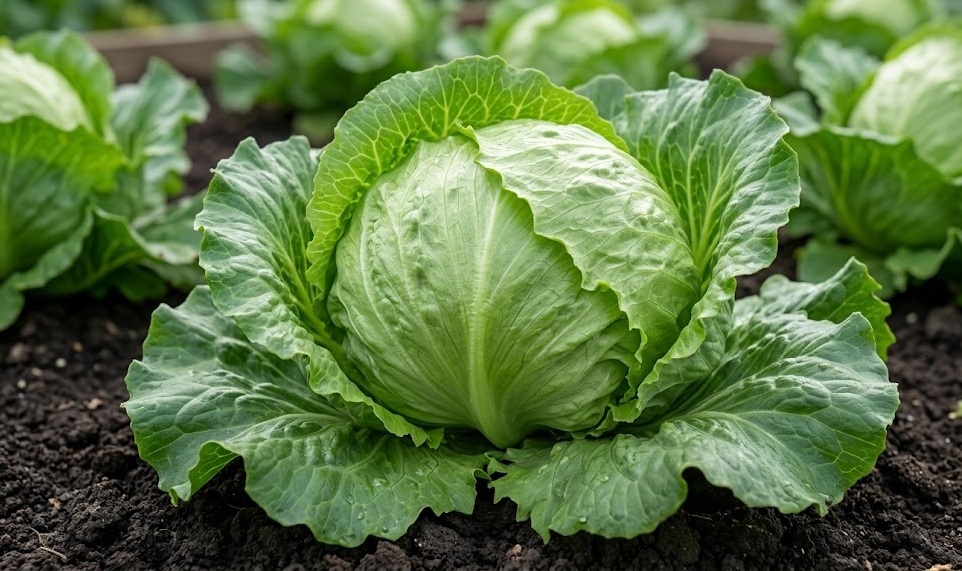

Watering and fertilization are the two most dynamic components of managing an iceberg lettuce crop effectively. You must maintain a precise balance where the plant never feels the stress of thirst or the burden of over-saturation. Similarly, providing the right nutrients at the right time is the difference between a stunted plant and a robust, heavy head. This professional guide details the specific strategies required to manage these two vital resources for maximum agricultural output.
Consistency is the absolute rule when it comes to the irrigation of any leafy green, especially iceberg lettuce. You should aim to keep the soil moisture levels at a steady state, avoiding the cycles of extreme drying and flooding that cause leaf stress. When the soil dries out completely, the plant’s cells lose their internal pressure, leading to wilting and a bitter flavor profile. Professional growers often use moisture meters to quantify the water content of the soil before deciding to irrigate.
The timing of your watering schedule can have a significant impact on the health of the plants and the efficiency of the water use. You should ideally water in the early morning hours so that the leaves have time to dry before the sun becomes too intense. Evening watering can leave the foliage damp overnight, which creates a high-risk environment for fungal pathogens to take hold. Morning irrigation also ensures that the plant is fully hydrated before it has to face the heat of the day.
Deep watering is generally more effective than frequent shallow misting for developing a strong and resilient root system. You should apply enough water so that it penetrates several inches into the soil where the majority of the roots reside. This encourages the roots to grow deeper into the earth, making the plant more capable of surviving short periods of heat or drought. Frequent shallow watering keeps the roots near the surface, where they are easily damaged by fluctuations in temperature.
Irrigation systems and techniques
Drip irrigation is widely considered the professional standard for watering iceberg lettuce in both small and large-scale operations. You can install drip tapes or lines that deliver water directly to the base of each plant, minimizing waste through evaporation or runoff. This system keeps the foliage dry, which is a major advantage in preventing the spread of water-borne diseases across the crop. Drip systems also allow for the precise application of liquid fertilizers through a process known as fertigation.
More articles on this topic
Overhead sprinklers are sometimes used, but they require much more careful management to avoid negative side effects on the crop. You must be aware that wet leaves are highly susceptible to mildews and rots, so this method should only be used when air circulation is excellent. Sprinklers can also wash away protective mulches or cause soil to splash onto the lettuce heads, making them harder to clean later. If you use this method, ensure it is done early enough in the day for the canopy to dry completely.
Soaker hoses provide a middle-ground solution that is effective for many home gardens and smaller professional plots. You can lay these porous hoses along the rows to seep water slowly into the ground without the complexity of a full drip system. This method is excellent for maintaining consistent moisture without getting water on the delicate leaves of the iceberg lettuce. It is a cost-effective way to ensure that your plants receive a steady supply of hydration during the critical heading phase.
Manual watering with a hose or watering can is possible but requires a high degree of attention and labor to be done correctly. You should use a soft spray nozzle to avoid flatting the young seedlings or displacing the soil around the roots. It is important to walk the entire field and ensure that no spots are missed, as uneven watering leads to inconsistent head sizes at harvest. For professional results, even manual watering should follow a strict schedule and volume measurement.
Nutritional requirements and soil chemistry
Iceberg lettuce is a heavy feeder that requires a steady supply of nutrients, particularly nitrogen, to produce its large, crisp leaves. You should start with a soil test to determine the baseline levels of nitrogen, phosphorus, and potassium available in your garden. Nitrogen drives the leafy growth, phosphorus supports the root system, and potassium improves the overall structural integrity of the plant. A deficiency in any of these major elements will lead to a significant reduction in the quality and weight of the final harvest.
More articles on this topic
Micronutrients like calcium and magnesium also play a vital role in the cellular development of the lettuce head. You must ensure there is enough available calcium to prevent internal tip burn, a common physiological disorder where the edges of the inner leaves turn brown. Calcium uptake is closely linked to water movement through the plant, which is why consistent irrigation is so critical for nutrient delivery. Maintaining the soil pH within the optimal range ensures that these micronutrients remain chemically available to the roots.
Slow-release fertilizers are an excellent professional choice for providing a long-term nutrient supply without the risk of burning the plants. You can incorporate granular fertilizers into the soil at the time of planting to provide a steady release of minerals over several months. This approach reduces the labor required for repeated applications and ensures that the plants never experience a sudden nutrient crash. Always follow the manufacturer’s instructions regarding application rates to avoid environmental runoff and plant toxicity.
Organic fertilizers such as fish emulsion or seaweed extracts can be used to provide a quick boost during the growing season. You can apply these as a soil drench or a foliar spray to deliver nutrients directly to the plant’s systems when they are needed most. Organic options not only feed the plants but also support the beneficial microbial life in the soil that helps process minerals. Using a combination of long-term soil building and short-term supplements is often the best path to success.
Application timing and methodology
The first application of fertilizer should ideally occur during the preparation of the planting bed to ensure the seedlings have immediate access to food. You should mix the amendments thoroughly into the top six inches of soil to reach the area where the young roots will grow. Providing a strong start ensures that the lettuce establishes itself quickly and begins the heading process on schedule. A weak start often leads to plants that never fully recover their potential size or quality.
Side-dressing is a technique where you apply additional fertilizer along the rows of growing plants about halfway through their growth cycle. You should be careful to keep the fertilizer a few inches away from the stems to prevent direct contact, which can cause chemical burns. This mid-season boost is particularly important if you are growing in sandy soils where nutrients leach away more rapidly with irrigation. Lightly scratching the fertilizer into the soil surface and then watering it in helps the nutrients reach the root zone.
Fertigation is the professional practice of delivering water-soluble fertilizers through the irrigation system itself. You can precisely control the amount of nutrition the plants receive based on their current stage of development and the local weather conditions. This method is highly efficient because it places the nutrients exactly where the water goes, ensuring maximum uptake by the roots. It allows for “spoon-feeding” the crop, which minimizes waste and maximizes the health and vigor of the lettuce.
Monitoring the color and growth rate of your lettuce will tell you if your fertilization strategy is working as intended. You should look for a vibrant, healthy green color; leaves that are too dark might indicate excessive nitrogen, while pale leaves suggest a deficiency. If the plants seem to have stopped growing during their peak phase, a light application of liquid fertilizer may be necessary to get them back on track. Your eyes and professional judgment are the final guides in the complex process of crop nutrition.
Avoiding common pitfalls and excesses
Over-fertilization is a common mistake that can lead to a host of problems including increased pest attraction and environmental damage. You should be aware that excessive nitrogen can make the leaf tissue soft and more susceptible to aphids and fungal infections. It can also lead to the accumulation of nitrates in the leaves, which is undesirable from a nutritional and health perspective. Balancing the input of fertilizers with the actual needs of the plant is the hallmark of a professional approach.
Salt buildup in the soil is a potential risk when using synthetic fertilizers and irrigation water with high mineral content. You must occasionally flush the soil with clean water to prevent these salts from reaching levels that inhibit root growth and water absorption. If you notice a white crust on the soil surface or the edges of the leaves beginning to brown, salt stress may be the cause. Regular soil testing can help you monitor salt levels and take corrective action before the crop is significantly harmed.
Leaching occurs when excessive irrigation or heavy rain carries nutrients down through the soil and away from the root zone. You can minimize this by using slow-release products and avoiding over-watering, which is also better for the environment. In areas with high rainfall, you may need to apply fertilizer more frequently in smaller amounts to compensate for these losses. Understanding the drainage characteristics of your specific site will help you plan your fertilization schedule more effectively.
Sustainability in watering and fertilization means using only what the plant needs to reach its peak quality and no more. You should strive to be a steward of the land by preventing nutrient runoff into local waterways and conserving water whenever possible. A professional gardener understands that the health of the crop is inextricably linked to the health of the surrounding ecosystem. By mastering the art of precision application, you ensure the long-term viability of your garden and the excellence of your iceberg lettuce.