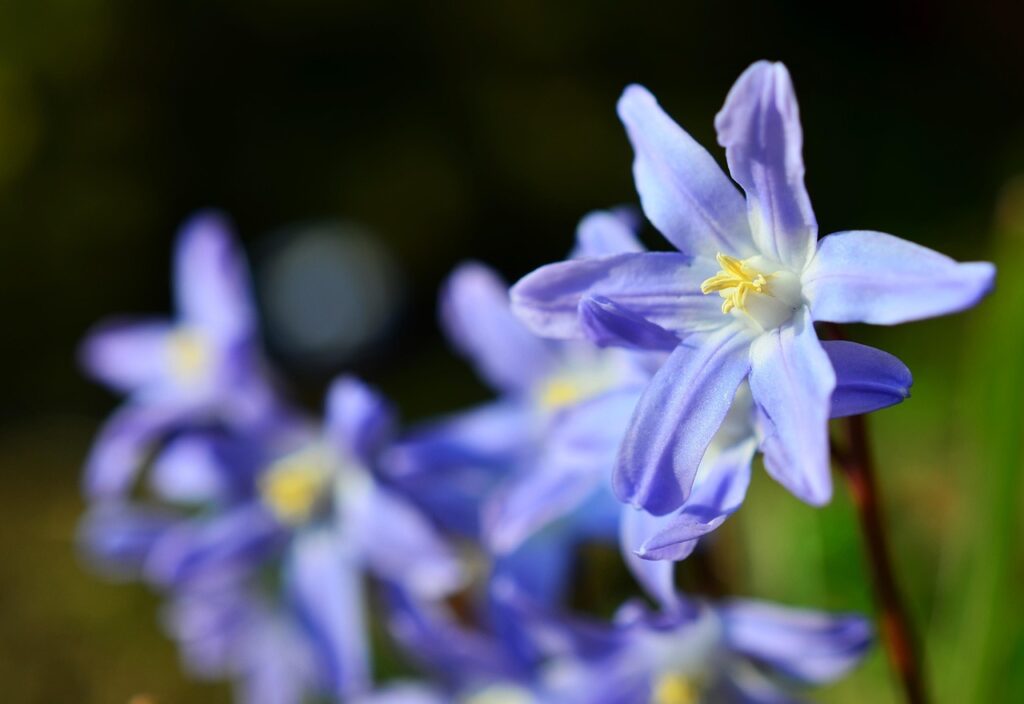

The ability of these small bulbs to survive and thrive during the harsh winter months is a testament to their incredible evolutionary adaptations. As mountain natives, they are naturally equipped to handle freezing temperatures and heavy snow cover without any special intervention from the gardener. However, understanding the biological processes that occur underground during the winter is key to ensuring they emerge successfully in the spring. Providing a stable environment during the cold season is the best way to guarantee a spectacular floral display.
Overwintering for these bulbs is a passive process that begins long before the first frost arrives in the autumn. As the soil temperatures drop, the bulbs shift their internal chemistry to produce sugars that act as a natural antifreeze for their tissues. This prevents the formation of ice crystals within the cells, which would otherwise cause them to burst and die. This internal preparation is why it is so important to plant the bulbs at the correct depth where the soil temperature is more stable.
In most temperate climates, the natural cold of winter is actually a requirement for these bulbs rather than a threat to their survival. They need a period of sustained low temperatures, known as vernalization, to trigger the development of flower buds inside the bulb. Without this “winter chill,” the plants may produce foliage in the spring but will often fail to produce any flowers at all. This makes them perfectly suited for gardens in colder regions where many other plants might struggle to survive.
While the bulbs themselves are hardy, the main challenge during winter is often the physical condition of the soil rather than the temperature. Excessive moisture and poor drainage during the winter thaw can lead to bulb rot even in the coldest climates. You should ensure that your garden beds are situated in areas where water does not pool during the winter months. A well-drained site is the single most important factor in successfully overwintering any type of spring-flowering bulb.
The role of snow cover and insulation
A consistent layer of snow is actually the best friend a gardener can have when it comes to overwintering these early spring flowers. Snow acts as a highly effective insulator, trapping the heat from the earth and keeping the soil temperature significantly warmer than the air above. This protection prevents the ground from freezing as deeply and protects the bulbs from extreme temperature fluctuations. In many ways, these plants are perfectly named, as they truly thrive under the protection of a winter snow blanket.
More articles on this topic
In years when snow is sparse but temperatures are extreme, you may need to provide some supplemental insulation for your garden beds. A light layer of organic mulch, such as evergreen boughs, straw, or shredded leaves, can mimic the protective effects of snow. Apply this mulch only after the ground has frozen for the first time to avoid providing a cozy home for rodents. This extra layer of protection is especially beneficial for newly planted bulbs that haven’t yet established a deep root system.
Frost heaving is a common winter problem where the repeated freezing and thawing of the soil pushes the bulbs toward the surface. If bulbs are exposed to the cold air, they can quickly dehydrate or freeze, leading to the death of the plant. Monitoring your garden during winter thaws allows you to catch this issue early and gently push any exposed bulbs back into the soil. Covering the area with a bit of extra mulch can also help stabilize the soil temperature and reduce the risk of heaving.
The biological activity of the bulbs does not stop completely during the winter, even when the ground is frozen solid. Beneath the surface, the bulbs are slowly growing new roots and preparing the embryonic leaves and flowers for their spring debut. This quiet period of preparation is essential for the rapid growth that will occur as soon as the sun begins to warm the earth in March. Respecting this dormant phase by avoiding any heavy traffic or construction over the bulb beds is vital for their health.
Winter moisture and drainage management
Managing the moisture levels in the soil during the winter is a delicate balance that depends heavily on your local weather patterns. While the bulbs are dormant and don’t need active watering, they still require a baseline of moisture to prevent their tissues from drying out completely. In most regions, the natural humidity and occasional winter precipitation are more than enough to meet this need. Problems only arise when the soil becomes either bone-dry for extended periods or saturated with stagnant water.
More articles on this topic
The physical structure of your garden soil plays the biggest role in how it handles winter moisture and the spring thaw. Soils with a high clay content can act like a sponge, holding onto water and becoming a muddy mess as the snow melts. This environment is the primary cause of winter bulb loss due to fungal rot and lack of oxygen in the root zone. Amending your soil with organic matter and grit before planting is the best long-term solution for improving winter drainage.
Raised beds are an excellent professional option for gardeners who struggle with heavy, wet soil during the winter months. Because the soil in a raised bed is elevated above the surrounding ground, it drains much more quickly and warms up faster in the spring. This creates a superior overwintering environment for all types of bulbs and early spring perennials. If you find that your bulbs are consistently failing in traditional beds, moving them to a raised structure can make a dramatic difference.
For bulbs grown in containers, winter moisture management is even more critical because the small volume of soil is more susceptible to both drying out and waterlogging. You should ensure that your winter containers have plenty of drainage holes and are placed in a location where they won’t be flooded by rain or melting snow. If the winter is exceptionally dry, you may need to provide a small amount of water once or twice to keep the soil from becoming dusty. However, always err on the side of dryness during the winter months for potted bulbs.
Preparing for the transition to spring
As the winter begins to fade and the first signs of spring appear, your role shifts from passive observer to active facilitator. You should begin to gradually remove any heavy winter mulch as the temperatures start to stay above freezing more consistently. If you leave a thick layer of mulch on too long, it can trap excess moisture and block the sunlight that the emerging shoots need. Do this carefully by hand to avoid damaging the delicate green tips that are likely already pushing through the soil.
The timing of the spring thaw can vary wildly from year to year, and the bulbs are masters at reading these environmental cues. They will wait until the soil reaches a specific temperature before they commit to full growth and blooming. During this transition period, keep an eye out for any late-season ice storms or sudden deep freezes that might damage the new foliage. While the plants are incredibly hardy, a light covering of fabric can protect the tender flowers if a severe frost is predicted after they have opened.
Soil compaction is a major risk during the late winter and early spring when the ground is often saturated and soft. You should strictly avoid walking on your garden beds or using heavy equipment near the bulb colonies at this time. Compacting the wet soil collapses the air pockets that the roots need to breathe and can physically crush the emerging stems. Using stepping stones or permanent paths is a professional way to manage garden access without damaging your spring displays.
Finally, the transition to spring is the perfect time to evaluate the success of your overwintering strategies and plan for the future. Take notes on which areas of the garden emerged first and which ones seemed to struggle with the winter conditions. This information is invaluable for deciding where to plant new bulbs or where to improve drainage in the coming autumn. By working with the natural rhythms of the seasons, you can ensure that your garden remains a healthy and vibrant sanctuary for these winter-hardy treasures.