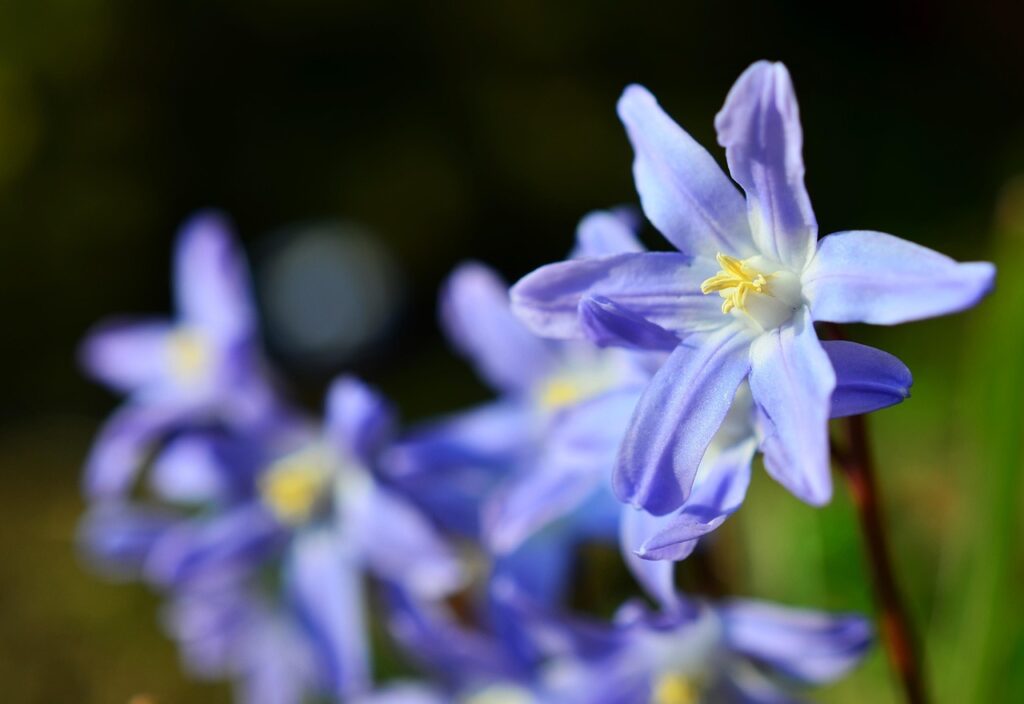

Understanding the light requirements of these early spring bulbs is essential for ensuring they produce a vibrant and long-lasting display of flowers. Like most spring ephemerals, they have a very specific strategy for capturing energy during the short window between winter dormancy and the summer canopy closure. They are uniquely adapted to make the most of the unfiltered sunlight that reaches the ground before many other plants have even begun to grow. Providing the right balance of sun and shade is the key to their long-term health and vigor in any garden setting.
The ideal lighting condition for these bulbs is full sun to partial shade during the late winter and early spring months. Because they often bloom in March or April, they can be planted underneath deciduous trees that are still dormant and leafless. This allows the plants to receive the maximum amount of solar energy needed for photosynthesis and the development of their flowers. By the time the trees leaf out and create deep shade, the bulbs have already completed their active growth cycle for the year.
If these bulbs are planted in an area that is too shady during the spring, they will often become leggy and produce fewer, smaller flowers. The lack of light prevents the plant from generating enough sugar to support a robust floral display and to rebuild the bulb’s energy reserves. Over time, a colony in deep spring shade will eventually dwindle and disappear as the bulbs become smaller and weaker each year. Choosing a site with at least six hours of direct sunlight during the blooming period is a professional recommendation for the best results.
Conversely, while they love the spring sun, they do not require a hot, sun-baked location during their summer dormancy. In fact, a bit of cooling shade during the hottest months can actually be beneficial for the resting bulbs beneath the surface. This mimics their native woodland and meadow habitats, where the ground is protected by taller vegetation later in the season. Understanding this seasonal shift in light and temperature is the secret to successfully naturalizing these flowers in a diverse landscape.
Managing light in different garden locations
When planting in a traditional garden bed, you should consider the shadows cast by buildings, fences, and evergreen shrubs. Evergreens provide year-round shade that does not change with the seasons, which can be problematic if they block the low spring sun. Ensure that your bulb patches are placed on the southern or eastern sides of these permanent structures to maximize their light exposure. A well-placed planting will take advantage of every available ray of sun during the short spring days.
More articles on this topic
In a lawn setting, the light requirements are usually easy to meet because there are few obstructions to the sky. However, the orientation of the property can still play a role in how early the flowers appear and how long they last. Bulbs on a south-facing slope will receive more intense light and warmth, leading to an earlier bloom than those on a north-facing area. You can use these natural variations in light to create a succession of blooms that extends the spring season across your entire property.
Woodland gardens offer the most natural environment for these bulbs, but they require careful management of the overstory. While deciduous trees are perfect companions, areas with dense coniferous cover are generally unsuitable due to the permanent shade and acidic soil. If you are developing a woodland area, consider thinning some of the lower branches of deciduous trees to allow more light to reach the forest floor. This small adjustment can dramatically improve the performance of all your spring ephemeral plants.
Rock gardens are another excellent location where light is usually plentiful and drainage is superior. The stones in a rock garden can also act as thermal masses, absorbing the sun’s heat during the day and releasing it slowly at night. This extra warmth, combined with the bright light, can often trigger these bulbs to bloom even earlier than those in traditional garden beds. The intense light and sharp drainage of a rock garden perfectly mimic the high-altitude alpine meadows where these plants originated.
The impact of light on flower and foliage health
The quality of the light directly influences the color intensity of the flowers, especially for the blue and violet varieties. In bright, unfiltered sunlight, the pigments in the petals develop more fully, resulting in the brilliant, clear colors that these plants are famous for. In contrast, bulbs grown in too much shade may produce flowers that appear washed out or pale. For the most visually striking display, prioritize bright locations that allow the natural colors of the flowers to shine.
More articles on this topic
Light also plays a critical role in the health of the foliage, which is the engine for the plant’s future growth. After the flowers fade, the leaves must remain green and productive for several weeks to recharge the bulb for the following year. If the area becomes too shady too quickly—perhaps due to the rapid growth of nearby perennials—the leaves may yellow prematurely. Ensuring the foliage gets enough light even after the blooming period is a mark of an expert gardener’s attention to detail.
Photosynthesis is a high-energy process, and these bulbs are specialized to perform it at relatively low temperatures as long as light is available. This allows them to get a “head start” on the growing season before their competitors emerge. If you notice that your bulbs are leaning heavily in one direction, it is a clear sign that they are reaching for more light. This “phototropism” indicates that the current site may be slightly too shaded for their optimal development.
Finally, the duration of the light each day, known as the photoperiod, helps the plant coordinate its biological clock. The increasing day length in the spring signals to the bulb that it is time to break dormancy and begin its rapid growth. This internal timing mechanism ensures that the plant emerges when the conditions are most favorable for its survival. By providing a site that allows the plant to accurately sense these light cues, you are supporting its natural rhythm and long-term success.