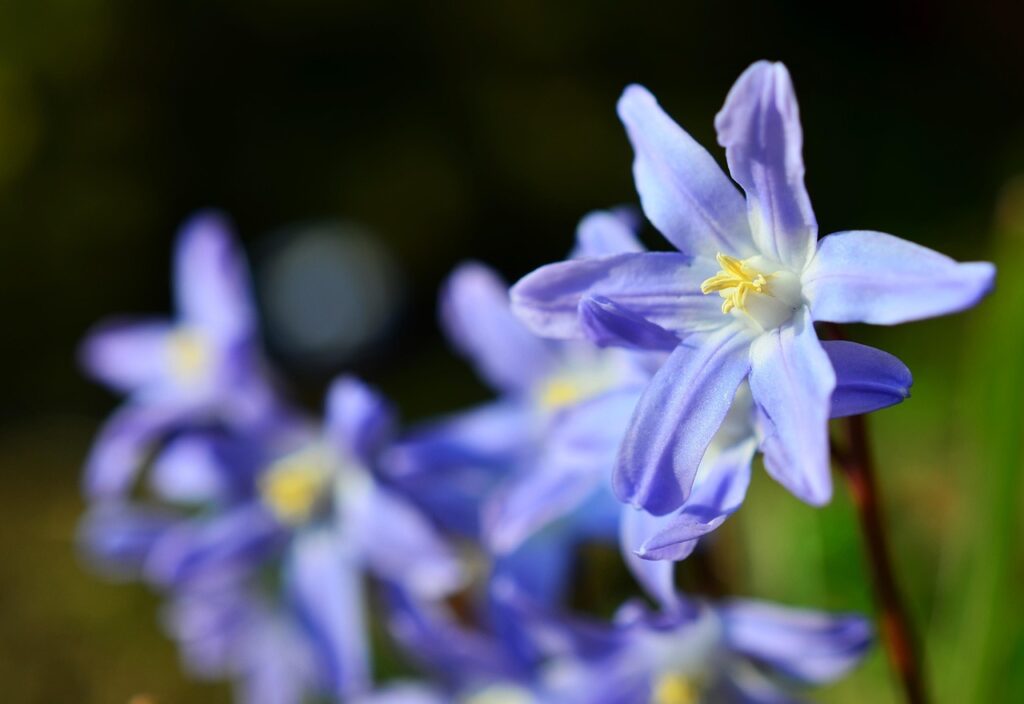

Protecting these delicate spring flowers from biological threats requires a proactive approach focused on prevention and environmental management. While they are generally considered tough and resilient, certain fungal pathogens and hungry pests can quickly damage a beautiful colony. Understanding the signs of trouble before they spread is essential for any gardener who wants to maintain a healthy landscape. By creating the right growing conditions, you can significantly reduce the vulnerability of your bulbs to these common garden challenges.
Fungal diseases are the most frequent issues encountered when growing spring-flowering bulbs in damp, cool climates. These pathogens often thrive in stagnant air and waterlogged soil, which are common during the early spring thaw. One of the primary goals of an expert gardener is to ensure that the site has excellent drainage and plenty of air circulation. If you notice fuzzy growth or strange spots on the leaves, it is a clear signal that the environment has become too humid.
Pests can range from microscopic soil organisms to large mammals that find the bulbs or foliage a tempting snack. Fortunately, these particular bulbs are less attractive to deer and rabbits than many other spring flowers like tulips. However, smaller creatures like slugs, snails, and certain insects can still cause significant aesthetic and structural damage. Identifying the specific culprit is the first step in choosing an effective and environmentally friendly control method.
Monitoring your plants daily during their short growing season is the best way to catch problems early when they are easiest to manage. Look for changes in leaf color, distorted growth patterns, or physical holes in the petals and foliage. Early intervention often means you can solve a problem with simple physical removals rather than resorting to chemical treatments. A healthy, well-nourished plant is always its own best defense against the pressures of diseases and pests.
Common fungal pathogens and their management
Botrytis, often known as grey mold, is a common fungal disease that can affect the leaves and flowers of many spring bulbs. It appears as a grey, fuzzy coating on the plant tissues and can cause them to rot and collapse quickly. This disease is particularly prevalent during periods of high humidity and cool temperatures with very little wind. To manage it, you should immediately remove any affected plant parts and dispose of them in the trash, not the compost pile.
More articles on this topic
Bulb rot is another serious threat that often goes unnoticed until the plant fails to emerge in the spring. This is usually caused by soil-borne fungi that attack the bulb scales when they are dormant or weakened by excess moisture. If you dig up a bulb and find it soft, mushy, or foul-smelling, it has likely succumbed to rot. Prevention is the only real cure, which involves ensuring the soil is never waterlogged and the bulbs are planted at the correct depth.
Leaf spot diseases can manifest as small, dark circles on the foliage, which can eventually merge and cause the leaf to die prematurely. While a few spots might not kill the plant, they reduce its ability to photosynthesize and store energy for next year. To prevent the spread, avoid overhead watering and try to keep the foliage as dry as possible. Increasing the spacing between plants can also improve air circulation and help the leaves dry faster after a rain.
Viruses are less common but far more difficult to manage because there are no effective chemical treatments for them. Viral infections often cause streaking or mottling in the leaves and flowers, along with stunted or distorted growth. If you suspect a virus, the only professional course of action is to remove and destroy the entire plant, including the bulb and surrounding soil. This prevents the virus from being spread to healthy neighbors by insects or contaminated garden tools.
Managing slugs and snails in the spring garden
Slugs and snails are perhaps the most persistent pests for any low-growing spring flower in a moist garden environment. These mollusks are active at night and during damp weather, emerging from their hiding places to feed on tender new growth. They can strip the leaves of a small bulb patch in just a few nights if the population is large enough. Look for the tell-tale silvery slime trails on the soil and foliage to confirm their presence in your garden.
More articles on this topic
Physical barriers and traps are the most humanized and environmentally safe ways to manage slug populations. Copper tape can be placed around the edges of raised beds or containers, as it creates a small electrical reaction that slugs dislike crossing. Sinking small containers of beer into the soil so the rim is level with the surface is a classic and effective trap. The slugs are attracted to the yeast, crawl into the liquid, and are unable to escape.
Encouraging natural predators is a long-term strategy for keeping slug and snail numbers in check without using toxic chemicals. Toads, frogs, and certain ground beetles are excellent biological controls that will hunt for these pests throughout the night. Providing a small water feature or a few piles of stones can create the necessary habitat for these beneficial garden helpers. A balanced ecosystem is far more resilient than one that relies on constant human intervention and pesticides.
If you must use commercial baits, look for products that use iron phosphate as the active ingredient rather than metaldehyde. Iron phosphate is effective against slugs but is much safer for pets, birds, and other wildlife that might visit your garden. Always apply these products sparingly and according to the label instructions to ensure they are effective and safe. Combining several different management techniques is usually the most successful approach to controlling these persistent spring pests.
Deterring mammalian pests and larger visitors
While many spring bulbs are a favorite food for squirrels and chipmunks, these particular flowers are usually low on their list of preferences. However, curious rodents may still dig them up while looking for other treasures or simply out of habit. If you find small holes in your garden beds and displaced bulbs, you may need to take protective measures during the planting season. Placing a layer of chicken wire or hardware cloth over the soil surface can physically prevent animals from digging.
Deer and rabbits generally avoid these bulbs because they contain certain compounds that make them unpalatable or even mildly toxic. This makes them an excellent choice for gardens in areas where larger wildlife is a constant problem for other plants. However, in times of extreme food scarcity, almost anything can be sampled by a hungry animal. If you notice browsing damage, using a natural repellent spray based on garlic or peppermint can usually deter them from returning.
Voles and moles can sometimes cause damage from underground by tunneling through the bulb beds and nibbling on the roots or scales. While moles are insectivores and don’t eat bulbs, their tunnels can expose the roots to air and create paths for voles, which do eat plant tissue. Maintaining a firm soil structure and using gravel in the planting holes can make the area less attractive to these tunneling creatures. Some gardeners also use castor oil-based repellents to encourage them to move to other parts of the property.
Domestic pets can also inadvertently damage a bulb colony by digging or trampling the delicate spring growth. If you have dogs, it is a good idea to protect your flower beds with small decorative fences or low hedges. This defines the garden boundaries and keeps the plants safe from physical damage during play. Educating yourself on the habits of the local wildlife and your own pets is the first step in creating a safe environment for your spring garden.
Integrated pest management and long-term health
Integrated Pest Management, or IPM, is a professional philosophy that focuses on using the least harmful methods first to solve garden problems. This starts with proper plant selection and site management to create the healthiest possible environment for your bulbs. When problems do arise, you should use mechanical controls like hand-picking or traps before moving to biological or chemical options. This holistic approach protects the overall health of your garden and the local environment.
Keeping your garden tools clean and sanitized is a simple but vital habit for preventing the spread of diseases between plants. Fungal spores and viruses can easily be carried on the blades of pruners or the tines of a garden fork. You should wipe your tools with a mild bleach solution or rubbing alcohol after working in a diseased area. This small step can prevent a localized problem from becoming a garden-wide epidemic over the course of a single season.
Winter cleanup is another important part of an expert disease prevention strategy for any perennial garden. Removing old, dead foliage and fallen leaves from the previous season can eliminate the hiding places where pests and pathogens overwinter. Be careful not to disturb the soil too much, but a gentle clearing of the surface can make a big difference in the spring. This practice also allows you to inspect the ground for any early signs of pest activity or winter damage.
Ultimately, the best defense against any disease or pest is a plant that is growing in its ideal conditions. When these bulbs have the right soil, light, and moisture, they are remarkably capable of thriving despite the presence of pathogens. Your role as a gardener is to be an observant partner, providing the support the plants need to reach their full potential. With a little attention and care, your spring garden will remain a vibrant and healthy sanctuary for years to come.