
General maintenance principles
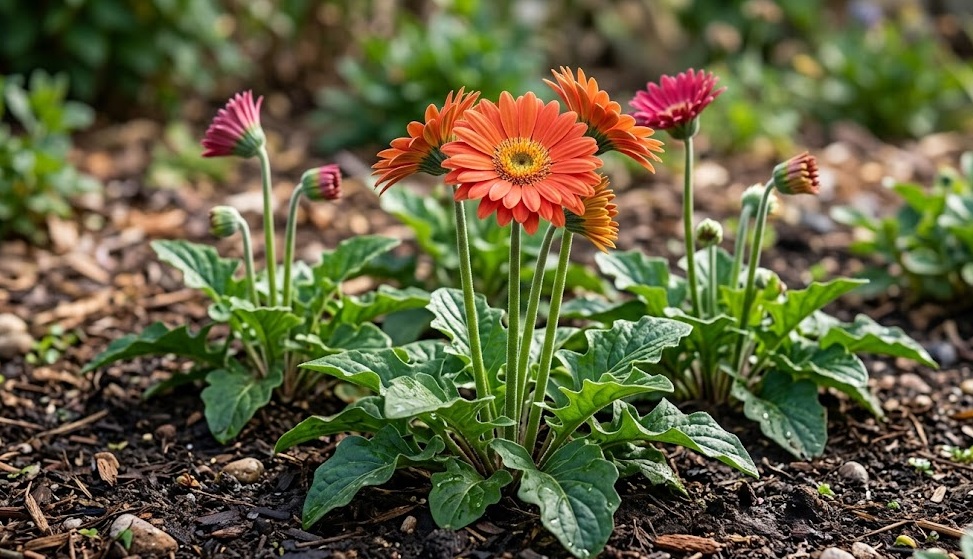
Caring for these vibrant daisies requires a deep understanding of their specific environmental needs to ensure long-lasting blooms. While often treated as annuals in cooler climates, they are actually perennials that can thrive for several years with the right attention. Every gardener should recognize that consistency is the foundation of a healthy plant throughout its entire growth cycle. Establishing a routine helps in identifying potential issues before they become terminal for the delicate root system.
The primary goal of any maintenance plan is to replicate the plant’s natural subtropical habitat as closely as possible. This involves balancing temperature, light, and moisture levels to prevent the plant from entering a state of stress. Stress often manifests as yellowing leaves or a sudden cessation of flower production, which can be difficult to reverse. Monitoring the microclimate around the plant provides the necessary data to adjust care protocols seasonally.
Observing the foliage is the most effective way to gauge the overall health of the specimen at any given time. Healthy leaves should be a deep, matte green and feel firm to the touch rather than wilted or brittle. If the leaves begin to droop despite adequate soil moisture, it might indicate a problem with the oxygen levels in the root zone. Expert growers often use a hands-on approach, checking the soil and leaf texture daily to maintain peak condition.
Air circulation plays a pivotal role in preventing the stagnation that leads to fungal outbreaks and weakened stems. Placing plants too close together restricts the natural flow of air, creating a humid pocket that favors pathogens. Professional setups often include fans or strategically placed vents to ensure that the air remains fresh and moving. Good ventilation also helps in regulating the temperature around the crown of the plant during hot summer afternoons.
Substrate and soil quality
The success of a cultivation project depends heavily on the physical and chemical properties of the growing medium used. These plants prefer a light, well-aerated substrate that allows for rapid drainage while retaining sufficient moisture for root uptake. A heavy, clay-based soil will almost certainly lead to root suffocation and subsequent rot. Incorporating organic matter such as peat moss or well-rotted compost can significantly improve the structure of the soil.
More articles on this topic
Ph levels should be monitored closely to ensure that the plant can access all necessary nutrients from the medium. A slightly acidic range between 5.5 and 6.5 is ideal for maximizing the availability of micronutrients like iron and manganese. If the soil becomes too alkaline, the plant may suffer from chlorosis, characterized by yellowing between the leaf veins. Regular testing with a reliable meter allows for precise adjustments using sulfur or lime as needed.
Porosity is another critical factor that determines how effectively the roots can expand and breathe within the container or bed. Adding perlite or coarse sand to the mix increases the number of macro-pores, which facilitate better gas exchange. This is especially important for plants kept in pots, where compaction can happen quickly due to repeated watering. A loose substrate ensures that the delicate feeder roots can navigate the medium without encountering physical resistance.
Sterility of the soil is a professional standard that should never be overlooked when starting new plants. Using garden soil directly in pots often introduces pathogens and weed seeds that compete with the main specimen. Commercial potting mixes are typically pasteurized to eliminate these risks and provide a clean start. If reusing old soil, it is advisable to treat it or solarize it to prevent the carryover of soil-borne diseases.
Temperature and climate control
The physiological processes of the plant are highly sensitive to the surrounding thermal environment throughout the day and night. Ideal daytime temperatures should range between 20 and 24 degrees Celsius to promote active photosynthesis and growth. During the night, a slight drop to around 15 degrees Celsius is beneficial as it helps the plant conserve energy. Extreme heat can lead to smaller flowers and a general decline in the vigor of the foliage.
More articles on this topic
Maintaining a stable climate is much more important than achieving the perfect temperature for just a few hours. Rapid fluctuations can shock the vascular system, causing the plant to drop its buds prematurely. In greenhouse settings, automated venting systems are used to prevent the buildup of heat during peak sun hours. For home growers, moving plants away from drafty windows or heating vents is essential for maintaining this necessary stability.
Cold tolerance is quite limited, and exposure to frost will typically result in the death of the above-ground tissues. While the roots may survive a very light chill, it is best to keep the environment well above freezing at all times. If temperatures are expected to drop, protective covers or moving the plants indoors is the only way to guarantee survival. Thermal mass, such as stone walls or water barrels, can help buffer temperature changes in a garden setting.
Heat stress is a common issue during the height of summer, particularly in regions with high solar radiation. When the thermometer climbs above 30 degrees Celsius, the plant may enter a semi-dormant state to protect itself from excessive transpiration. Providing some afternoon shade during these periods can prevent the leaves from scorching and keep the plant productive. Mulching the base of the plant also helps keep the root zone cooler during intense heat waves.
Humidity and air quality
Atmospheric moisture levels significantly influence the rate of transpiration and the overall turgidity of the plant. A relative humidity of around 60 to 70 percent is generally considered optimal for healthy leaf development and bloom size. If the air is too dry, the plant loses water faster than the roots can replenish it, leading to crispy leaf edges. Conversely, excessively high humidity without proper airflow creates a breeding ground for gray mold and powdery mildew.
In indoor environments, the air often becomes too dry during the winter months due to artificial heating systems. Using a humidifier or placing the pots on a tray filled with pebbles and water can help boost local humidity levels. It is important to ensure that the bottom of the pot does not sit directly in the water, as this would cause saturation. Misting the leaves is another option, though it should be done early in the day so the foliage dries before nightfall.
The presence of pollutants or ethylene gas in the air can have a devastating effect on the longevity of the flowers. Ethylene, often produced by ripening fruit or malfunctioning heaters, causes the petals to wilt and drop prematurely. Ensuring a clean environment with regular fresh air exchange is vital for maintaining the aesthetic value of the blooms. In commercial settings, air filtration systems are sometimes employed to scrub harmful gases from the atmosphere.
Carbon dioxide levels also play a role in the growth rate, as it is a fundamental component of the photosynthetic process. While ambient levels are usually sufficient for home gardens, professional growers sometimes supplement CO2 to accelerate development. This is most effective in sealed greenhouses where light and temperature are also carefully optimized. Even without supplementation, ensuring that the air is not stagnant allows the plant to access the CO2 it needs from the surrounding environment.
Seasonal care transitions
As the seasons change, the physiological needs of the plant shift to accommodate different light levels and temperatures. During the spring, increasing light and warmth signal the plant to begin a period of rapid vegetative growth and flowering. This is the time to increase watering frequency and begin a regular fertilization program to support new tissue. It is also the best window for any necessary repotting before the plant enters its peak production phase.
The transition into summer requires a focus on protection from intense heat and potential drought conditions. Monitoring soil moisture becomes a daily task, as the higher evaporation rates can dry out the substrate in a matter of hours. Providing temporary shade during the hottest part of the day can prevent the plant from becoming exhausted. It is also a period when pest populations tend to peak, necessitating frequent inspections of the undersides of the leaves.
Autumn brings a natural cooling that tells the plant to slow its metabolic processes in preparation for the shorter days ahead. Fertilization should be tapered off to discourage soft, new growth that would be susceptible to the coming cold. Watering should also be reduced as the plant’s demand for moisture decreases with the falling temperatures. This is the time to decide whether the plant will be moved indoors or prepared for a dormant period in a sheltered area.
Winter care is primarily about survival and maintaining the health of the root system while the plant is resting. Light remains important, but the plant will not require the same intensity as it does during the flowering months. Avoiding overwatering is the most critical factor during this time, as the roots are much more prone to rot in cool, damp soil. A minimalist approach to care usually yields the best results until the warmth of spring triggers a new cycle.
Container vs garden bed care
Choosing between growing in a pot or directly in the ground depends on the local climate and the desired level of control. Containers offer the advantage of mobility, allowing the grower to chase the sun or hide the plant from storms. They also make it easier to provide a custom-tailored soil mix that meets the exact requirements of the species. However, pots dry out much faster and require more frequent attention to watering and nutrient replenishment.
Planting in garden beds allows for a more extensive root system, which can lead to larger plants and more robust flowering. The soil in the ground stays at a more consistent temperature, providing a buffer against the daily heat and cold cycles. Drainage must be perfect in a bed, so raised mounds are often recommended to prevent water from pooling around the crown. It is also harder to control the soil chemistry and prevent the spread of soil-borne pests in an open garden.
The size of the container is a critical factor that influences how the plant develops over time. A pot that is too small will restrict root growth and lead to a stunted plant that needs constant watering. Conversely, a pot that is too large can hold too much moisture in the unused soil, increasing the risk of pathogens. Selecting a pot with multiple drainage holes is non-negotiable for anyone serious about the long-term health of their specimens.
When transitioning from a container to a garden bed, the plant must be hardened off to avoid transplant shock. This involves gradually exposing the plant to the outdoor conditions over a period of several days. The planting hole should be twice as wide as the root ball but no deeper, ensuring the crown remains above the soil line. Firming the soil gently around the roots removes air pockets without compacting the medium too much.
Enhancing longevity and flower quality
The ultimate goal for many enthusiasts is to produce the largest and most colorful blooms possible while keeping the plant healthy. High-quality flowers are a result of balanced nutrition, where phosphorus and potassium play leading roles during the budding phase. Avoiding excessive nitrogen at this stage is important, as it can lead to lush green leaves at the expense of flower count. Consistent care prevents the physiological stress that causes distorted or undersized petals.
Removing spent flowers promptly is a practice known as deadheading, and it is essential for encouraging the plant to produce more buds. When a flower is allowed to go to seed, the plant redirects its energy away from new blooms and toward reproduction. By cutting the stem off near the base, the grower signals the plant to continue its floral display. This practice also improves the overall appearance of the plant by removing decaying organic matter.
The age of the plant also affects the quality of the flowers, as older specimens may become woody and less productive. Dividing the plant every two or three years can rejuvenate the system and result in more vigorous growth. Each division should have a healthy section of the crown and a well-developed set of roots to ensure successful re-establishment. This process essentially resets the plant’s internal clock and maintains high-quality production for many years.
Finally, the source of the plant’s energy—the leaves—must be kept clean and free of dust or debris. Dust on the foliage can block sunlight and reduce the efficiency of photosynthesis, leading to a weaker plant. Wiping the leaves gently with a damp cloth or giving the plant a light rinse can make a noticeable difference in its vitality. A clean, healthy plant is much better equipped to produce the stunning, long-lasting flowers that this species is famous for.