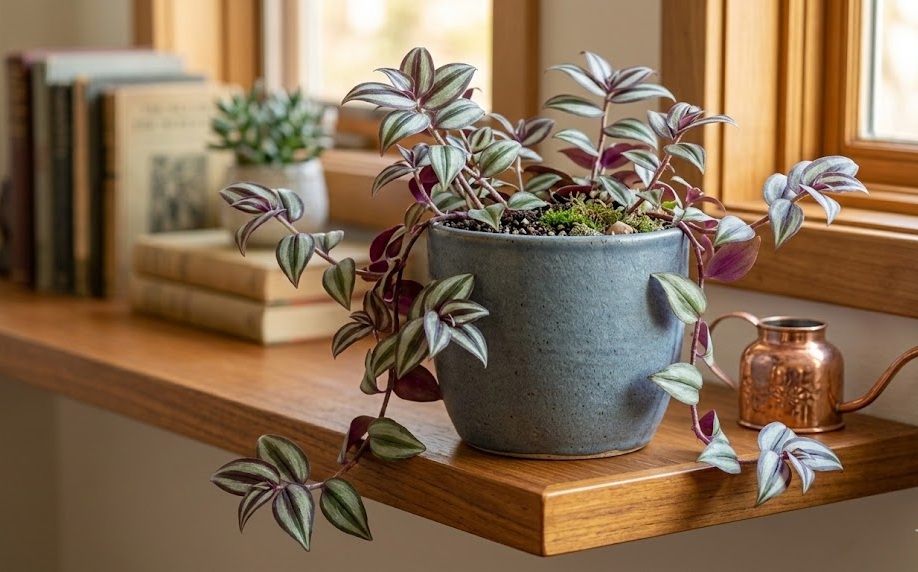

While this species is generally known for its resilience and fast growth, it can still fall victim to various biological threats that compromise its health and appearance. You must maintain a vigilant eye for any changes in the color, texture, or growth pattern of the leaves, as these are often the first warnings of an infestation or infection. Early detection is the most important factor in successfully treating these issues before they spread to the rest of your indoor collection. By understanding the common enemies of your plant, you can implement effective organic or chemical solutions to protect its long-term vitality.
Spider mites are among the most common pests that target indoor plants, especially in environments where the air is particularly dry. These tiny arachnids are often difficult to see with the naked eye, but they leave behind telltale signs such as fine webbing between the stems. You might also notice small, pale spots on the surface of the leaves, which are the result of the mites sucking out the cellular fluids. Increasing the humidity around your plant is one of the best ways to discourage these pests and prevent a major outbreak.
Aphids are another frequent visitor that can cause significant damage to the soft, new growth at the tips of the vines. These small, green or black insects cluster together and feed on the sap, causing the leaves to become distorted, curled, or sticky with “honeydew.” This sticky substance can also attract secondary issues like sooty mold, which further blocks the plant’s ability to photosynthesize. Regularly inspecting the undersides of the leaves and the growing points will help you catch these pests before they can reproduce in large numbers.
Mealybugs present a different challenge due to their protective, cotton-like coating that makes them resistant to many contact sprays. They often hide in the crevices where the leaves join the stems, making them difficult to spot during a casual glance. These pests also feed on the plant’s juices, leading to a general decline in health and a noticeable loss of leaf color and vigor. If you see white, fuzzy patches on your plant, it is essential to isolate it immediately to prevent the mealybugs from migrating to other nearby specimens.
Fungal diseases like root rot and leaf spot are usually the result of environmental imbalances rather than external pathogens. Root rot occurs when the soil stays saturated for too long, creating an anaerobic environment where harmful fungi can thrive and destroy the root system. Leaf spot is often caused by water sitting on the foliage for extended periods, especially in areas with poor air circulation or high humidity. Understanding the relationship between your care routine and these diseases is the first step toward creating a truly healthy environment.
More articles on this topic
Identifying and treating common insect pests
If you discover spider mites on your silver inch plant, the first step is to give the entire plant a thorough wash with lukewarm water. This physical action removes a large percentage of the population and their webbing, giving the plant immediate relief. You can then follow up with an application of neem oil or insecticidal soap, ensuring that you cover both the tops and bottoms of all the leaves. Repeat this treatment every seven to ten days for at least a month to ensure that you have eliminated all life stages of the pest.
Aphid infestations can often be managed with a simple solution of water and a small amount of mild dish soap sprayed directly onto the affected areas. The soap breaks down the protective outer layer of the insects, causing them to dehydrate and die relatively quickly. For more persistent cases, you might consider using a biological control like ladybugs if you have a larger indoor garden or greenhouse space. Keeping your plants healthy and well-fed makes them less attractive to aphids, as they tend to target stressed or weakened individuals.
Dealing with mealybugs requires a more targeted approach, often involving a cotton swab dipped in rubbing alcohol. You should manually dab each visible insect with the alcohol, which kills them instantly on contact without damaging the plant’s tissues. Because they hide so well, you must be extremely thorough in your search and check even the smallest nooks and crannies of the stems. Following up with a systemic insecticide can also provide long-term protection by making the plant’s sap toxic to any remaining pests that try to feed.
Fungus gnats are a nuisance that often appears when the top layer of the potting soil remains perpetually damp. While the adult gnats are harmless to humans, their larvae live in the soil and can feed on the delicate root hairs of young plants. You can control their population by allowing the soil to dry out more between waterings and by using yellow sticky traps to catch the flying adults. Adding a layer of coarse sand to the top of the pot can also prevent the gnats from laying their eggs in the moist substrate.
More articles on this topic
Managing fungal and bacterial infections
Root rot is perhaps the most serious threat to the survival of your plant and requires immediate and drastic intervention to save the specimen. If you notice the stems turning black and mushy at the base, you should remove the plant from its pot and inspect the roots immediately. Cut away any soft, dark, or foul-smelling roots with sterilized scissors and repot the remaining healthy sections into fresh, dry soil. Reducing your watering frequency and improving the drainage of the container will prevent the problem from returning in the future.
Botrytis, also known as gray mold, can affect the leaves and stems if the air is too stagnant and the humidity is excessively high. It appears as a fuzzy, gray coating that quickly causes the affected tissues to collapse and rot away. You should immediately prune off any infected parts and dispose of them far away from your other plants to prevent the spores from spreading. Increasing the air circulation in the room and avoiding getting water on the leaves will help create an environment where the mold cannot survive.
Bacterial leaf spot manifests as dark, water-soaked lesions that may have a yellow halo around the edges of the spots. This infection can spread rapidly through splashing water or by using contaminated tools, so hygiene is paramount during the treatment phase. There are few effective chemical cures for bacterial issues, so your best strategy is to remove infected leaves and improve the overall environmental conditions. Keeping the foliage dry and providing adequate spacing between plants will significantly reduce the risk of bacterial outbreaks.
Powdery mildew is a fungal infection that looks like a dusting of white flour on the surface of the leaves and stems. Unlike many other fungi, it can thrive in relatively dry conditions, making it a common problem for indoor gardeners during the transition seasons. You can treat it with a simple homemade spray of baking soda and water, or use a commercial fungicide specifically designed for mildew. Improving the light levels and ensuring consistent temperatures will also help the plant’s natural immune system fight off the infection.
Preventative measures for a healthy collection
The best way to manage pests and diseases is to prevent them from entering your home in the first place through a strict quarantine protocol. Whenever you bring a new plant home, keep it in a separate room for at least two weeks and inspect it daily for any signs of trouble. This waiting period allows any hidden pest eggs to hatch or dormant diseases to manifest before they can reach your established collection. This simple habit can save you countless hours of frustration and expensive treatments in the long run.
Maintaining high standards of cleanliness around your plants is another effective way to reduce the risk of biological threats. You should regularly remove fallen leaves and other organic debris from the surface of the soil, as these provide a perfect breeding ground for pests and fungi. Periodically wiping down the shelves and the exterior of the pots with a mild disinfectant will also help keep the environment sanitary. A clean growing area is much less likely to harbor persistent populations of harmful organisms.
Proper nutrition and environmental management act as a natural defense system by keeping the plant’s cellular structure strong and resilient. A plant that is receiving the correct amount of light, water, and fertilizer will produce thicker cell walls and more protective pigments. This makes it much harder for insects to penetrate the leaves and for fungal spores to gain a foothold in the tissues. Think of your care routine as a form of preventative medicine that keeps your botanical collection in peak physical condition.
Regularly cleaning the leaves of your silver inch plant not only improves its appearance but also serves as a critical inspection opportunity. As you wipe each leaf, you have the chance to look closely for the early signs of mites, aphids, or fungal spots. This hands-on approach ensures that you are intimately familiar with the health of your plant and can react instantly to any changes. This close connection between the gardener and the plant is the ultimate secret to a thriving and disease-free indoor garden.
Implementing integrated pest management
Integrated Pest Management (IPM) is a holistic approach that combines physical, biological, and chemical methods to control pests with minimal impact on the environment. You should always start with the least toxic option, such as physically removing insects or adjusting the humidity levels, before moving to chemical treatments. This strategy prevents the pests from developing resistance to specific pesticides and keeps your home environment safer for humans and pets. Understanding the lifecycle of the pests you are fighting allows you to target them at their most vulnerable stages.
Using beneficial insects like predatory mites or parasitic wasps can be a highly effective way to manage persistent pest problems in larger plant collections. These natural enemies will hunt down and destroy harmful insects without damaging your plants or introducing chemicals into your living space. While this method requires a bit more knowledge and patience, it provides a self-sustaining solution that mimics the balance of a natural ecosystem. Many professional growers use biological controls as their primary method of pest management because of their long-term effectiveness.
When you must use chemical treatments, always follow the instructions on the label exactly to ensure the safety of yourself and your plants. Never apply pesticides in direct sunlight, as the combination of chemicals and heat can cause severe foliage burn. It is also a good idea to test the spray on a single leaf first and wait twenty-four hours to see if there is any adverse reaction. Being cautious with chemicals protects the delicate beauty of your silver inch plant while still achieving the necessary results.
Ultimately, the health of your plants is a reflection of the consistency and quality of the care they receive from you. While pests and diseases are an inevitable part of gardening, they do not have to be a disaster if you are prepared and proactive. View each challenge as an opportunity to learn more about the biology of your plants and to refine your skills as a horticultural expert. With a dedicated approach to health and hygiene, your silver inch plant will continue to bring vibrant color and life to your home for years to come.