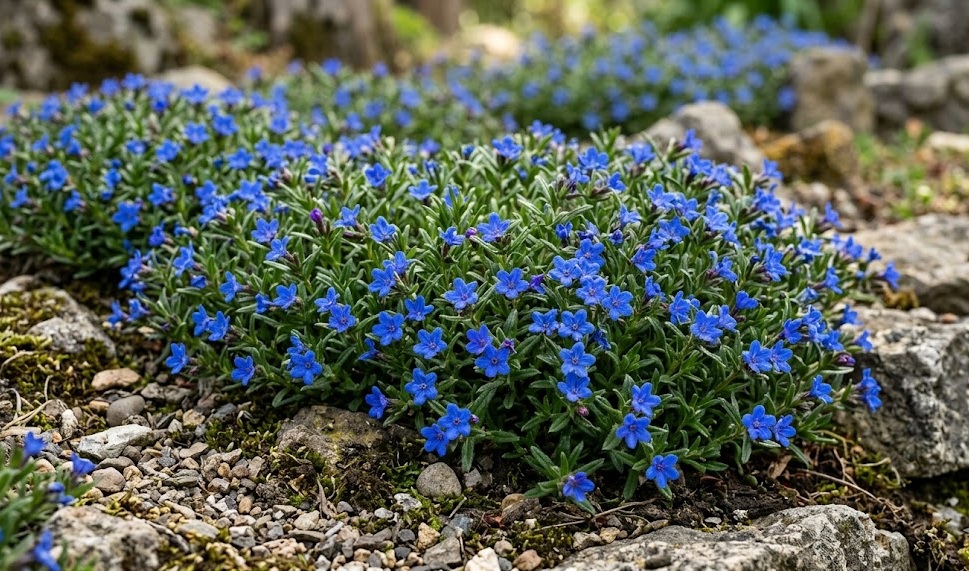

Protecting the purple gromwell from diseases and pests is a critical aspect of professional garden management. While this plant is relatively hardy once established, it can fall victim to several common issues if environmental conditions are not optimal. You must be vigilant in monitoring the health of the foliage and stems to catch problems before they become widespread. A proactive approach that combines cultural practices with targeted treatments is the most effective way to keep your plants healthy and vibrant.
Fungal diseases are the most frequent challenge for this evergreen subshrub, particularly in damp or humid climates. These issues often arise when the soil remains too wet or when there is insufficient airflow around the plant. You can reduce the risk of fungal infections by ensuring excellent drainage and practicing proper spacing during planting. Understanding the lifecycle of common fungi allows you to intervene at the most effective times to protect your garden.
Pest problems are generally less common but can still cause significant damage if they are not addressed promptly. Sucking insects like aphids or spider mites may occasionally target the new growth or the undersides of the leaves. These pests can weaken the plant and may also act as vectors for various plant viruses. Regular inspections and the use of natural predators or gentle treatments can keep these pest populations under control.
Maintaining the overall vigor of the plant is your best defense against both diseases and pests. A healthy purple gromwell with a strong root system and proper nutrition is much better equipped to resist and recover from attacks. You should avoid over-fertilizing with nitrogen, as this produces soft growth that is particularly attractive to many pests. By focusing on the fundamental needs of the plant, you create a resilient garden environment where the purple gromwell can thrive.
Fungal issues and prevention
Powdery mildew is one of the most visible fungal diseases that can affect the purple gromwell’s appearance. It appears as a white, flour-like coating on the leaves and stems, often during periods of high humidity and warm days. While it rarely kills the plant, it can significantly reduce its vigor and aesthetic value by interfering with photosynthesis. You can manage this by improving air circulation and avoiding overhead watering, especially late in the day.
More articles on this topic
Another common fungal threat is leaf spot, which manifests as small, dark lesions on the foliage. These spots can eventually merge, causing the leaves to turn yellow and drop prematurely. This disease is often spread by water splashing from the soil onto the leaves during rain or irrigation. Applying a layer of clean mulch can help prevent the spores from reaching the plant and keep the foliage drier.
Root rot is perhaps the most serious fungal-related issue because it attacks the plant’s life support system below ground. It is almost always caused by excessive soil moisture and poor drainage, which allows soil-borne fungi like Phytophthora to thrive. Symptoms include sudden wilting, even when the soil is wet, and a darkening of the base of the stems. Once root rot has taken hold, it is very difficult to save the plant, making prevention through proper soil preparation essential.
To prevent these fungal issues, you should always start with healthy, disease-free plants from a reputable source. When working with established plants, use clean, sterilized tools for any pruning or maintenance tasks to avoid spreading spores. Removing and destroying any infected plant material is a professional habit that prevents the disease from overwintering in your garden. Consistent environmental management is the key to a fungus-free purple gromwell.
Common insect pests
Aphids are small, soft-bodied insects that can cluster on the tender new growth of the purple gromwell in the spring. They feed on the plant’s sap, which can cause the leaves to curl and become distorted over time. Aphids also produce a sticky substance called honeydew, which can encourage the growth of sooty mold on the foliage. You can often manage small populations of aphids with a strong stream of water from a garden hose.
More articles on this topic
Spider mites are another pest that may become a problem, particularly during hot, dry weather. These tiny arachnids are difficult to see with the naked eye, but their presence is often indicated by fine webbing and stippling on the leaves. As they feed, the foliage can take on a bronzed or bleached appearance and may eventually die back. Increasing the humidity around the plant or using a specialized insecticidal soap can help control these pests.
Scale insects can occasionally be found on the woody stems of older purple gromwell plants. These pests look like small, immobile bumps and can be hard to identify if you are not looking closely. Like aphids, they suck sap from the plant and can cause a general decline in health if the infestation is heavy. Pruning out heavily infested stems is often the most effective way to deal with scale in a home garden setting.
Slugs and snails may target the lower leaves of the plant, especially in damp or shady areas of the garden. They leave behind tell-tale slime trails and can chew large, irregular holes in the foliage during the night. You can manage these pests by removing their hiding places, such as large debris or dense weeds near the plant. Using organic slug pellets or physical barriers can also provide additional protection during wet seasons.
Natural remedies and treatments
If you discover a pest or disease problem, it is often best to start with the least toxic treatment options available. Neem oil is a versatile organic treatment that can act as both a fungicide and an insecticide for many common garden issues. It works by disrupting the life cycles of pests and preventing fungal spores from germinating on the leaf surface. You should apply neem oil in the evening to avoid harming beneficial insects like bees that may be visiting the flowers.
Insecticidal soaps are another excellent tool for managing soft-bodied pests like aphids and spider mites. These products work on contact by breaking down the outer shell of the insect, leading to dehydration. You must ensure that you coat both the tops and bottoms of the leaves for the soap to be effective. Because these treatments have no residual effect, you may need to repeat the application every few days until the pest population is under control.
Encouraging natural predators in your garden is a professional strategy that provides long-term pest management. Ladybugs, lacewings, and predatory mites are all valuable allies that feed on common pests like aphids and spider mites. By avoiding broad-spectrum chemical pesticides, you protect these beneficial insects and allow them to maintain a natural balance in your garden. Planting a variety of flowering species can also help attract these helpful garden residents.
For fungal issues, a simple baking soda spray can sometimes act as a preventative measure against powdery mildew. Mixing a small amount of baking soda with water and a drop of dish soap creates a solution that changes the pH on the leaf surface. This makes it more difficult for fungal spores to establish themselves and grow on the plant. While not a cure for existing infections, it can help protect healthy foliage during high-risk weather conditions.
Managing soil-borne pathogens
Soil-borne diseases are often the most challenging to manage because they are hidden from view until the damage is severe. Pathogens like verticillium wilt can block the plant’s vascular system, preventing water and nutrients from reaching the leaves. This often results in one side of the plant wilting or dying back while the rest appears healthy. Unfortunately, there are no effective chemical treatments for soil-borne wilts, so focusing on soil health and plant vigor is essential.
Crop rotation is a concept usually associated with vegetable gardening, but it also applies to ornamental beds. If a purple gromwell dies from a soil-borne disease, you should avoid planting another sensitive species in the same spot for several years. The pathogens can remain dormant in the soil for a long time, waiting for a new host to arrive. Choosing a disease-resistant plant or improving the soil drainage can help break the cycle of infection.
Adding beneficial microbes to the soil can help create a competitive environment that suppresses harmful pathogens. Products containing mycorrhizal fungi or beneficial bacteria can enhance the plant’s root health and its ability to resist disease. These microorganisms form a symbiotic relationship with the roots, helping them absorb nutrients more efficiently while providing a biological shield. Healthy, active soil is one of the best defenses against the unseen threats lurking below the surface.
If you suspect a serious soil-borne issue, you should have a sample of the soil or infected plant tissue tested by a professional laboratory. This can provide a definitive diagnosis and help you determine the best course of action for your garden. Knowing exactly what you are dealing with allows you to make informed decisions about soil treatments or plant replacements. Precision in diagnosis is a hallmark of professional horticulture and leads to more successful outcomes.
Prevention strategies for long-term health
The most effective way to manage pests and diseases is to prevent them from becoming a problem in the first place. This starts with proper site selection and soil preparation to ensure the plant is growing in its ideal environment. A plant that is stressed by incorrect light levels or poor drainage is far more likely to succumb to issues. By getting the basics right, you eliminate the primary triggers for most common garden problems.
Proper sanitation is a critical professional practice that should be part of your regular garden routine. You should always clean up fallen leaves and spent flowers, especially if you have noticed any signs of disease during the season. This debris can harbor pests and fungal spores that will wait for the right conditions to strike again. Keeping the area around your plants clean and tidy is a simple but powerful way to maintain a healthy garden.
Regular monitoring is the final piece of the prevention puzzle, allowing you to catch problems while they are still small. You should take a few minutes each week to look closely at your plants, checking for any changes in color or texture. Early detection often means that a simple pruning or a gentle treatment is all that is needed to resolve the issue. This consistent attention is what separates a professional-grade garden from one that is constantly struggling with problems.
Finally, remember that a certain amount of pest activity is normal and even healthy in a diverse garden ecosystem. Your goal should be to manage these issues so they do not cause significant damage to the plant’s health or appearance. By using integrated pest management techniques, you can enjoy a beautiful purple gromwell while supporting a healthy environment. Professionalism in the garden is about finding the right balance between intervention and allowing nature to take its course.