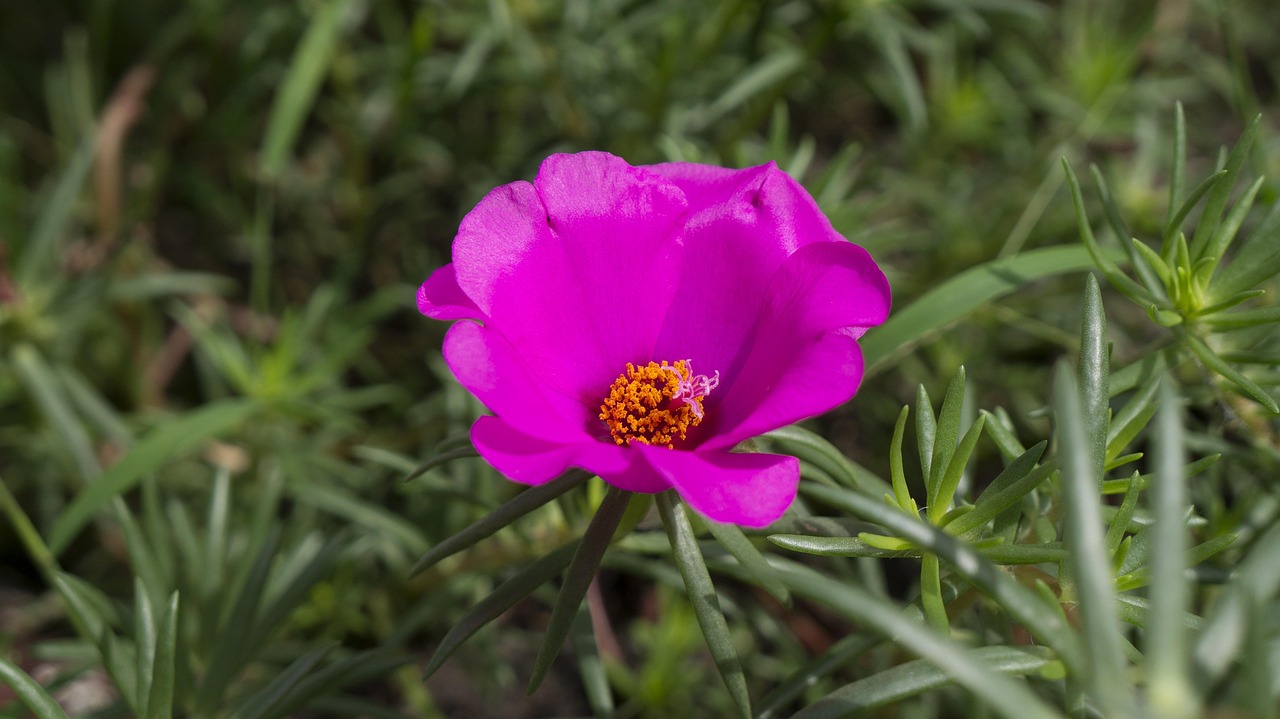

Renowned for its resilience and vigor, the moss rose is generally a trouble-free plant that exhibits strong resistance to many common garden ailments. Its preference for dry, sunny conditions naturally discourages the development of many fungal and bacterial diseases that thrive in damp, shady environments. However, no plant is entirely immune to problems, and under certain conditions, particularly when its cultural needs are not met, the moss rose can become susceptible to a handful of specific diseases and pests. Understanding these potential threats is the first step toward effective prevention and management.
The most significant health issues for moss rose are almost always related to excessive moisture. Overwatering, poorly draining soil, high humidity, and poor air circulation create a perfect storm for fungal diseases to take hold. Root rot is the most common and deadly of these, attacking the plant from below the soil line where the problem often goes unnoticed until it is too late. Other fungal pathogens, such as botrytis and powdery mildew, can affect the leaves and flowers, diminishing the plant’s aesthetic appeal and overall vigor. Consequently, the primary defensive strategy against disease is not chemical treatment, but rather the implementation of proper cultural practices from the very beginning.
In terms of pests, the moss rose’s succulent foliage seems to be unpalatable to many common garden herbivores like deer and rabbits, which is a significant advantage for many gardeners. However, it can occasionally be targeted by sap-sucking insects, with aphids being the most frequent culprit. These tiny pests can multiply rapidly, feeding on the plant’s juices and causing distorted growth. While infestations are not usually severe enough to kill the plant, they can weaken it and reduce its flowering capacity if left unchecked.
Ultimately, the best defense against both diseases and pests is a healthy, thriving plant. A moss rose that is grown in its ideal conditions—full sun, lean and well-draining soil, and appropriate watering—will have a robust immune system and be far less attractive to pests and susceptible to pathogens. Proactive measures, such as providing good air circulation through proper spacing and monitoring plants regularly for early signs of trouble, will allow you to address any issues quickly before they escalate into serious problems, ensuring your moss rose remains a vibrant and healthy feature in your garden all summer long.
Fungal diseases and prevention
Fungal diseases are the most common health concern for moss rose, and they are almost invariably linked to an excess of moisture. Root rot, caused by various soil-borne fungi like Pythium and Rhizoctonia, is the most serious threat. This disease attacks the root system, causing it to decay and lose its ability to absorb water and nutrients. Above ground, the plant will appear wilted (even when the soil is wet), its leaves will turn yellow, and the base of the stems may become soft and mushy. Prevention is the only effective cure, which means planting in exceptionally well-draining soil and avoiding overwatering at all costs.
More articles on this topic
Another fungal issue that can arise, particularly during periods of high humidity or cool, wet weather, is botrytis blight, also known as gray mold. This disease appears as fuzzy, grayish-brown patches on flowers, stems, and leaves. It often starts on old, spent blossoms and can quickly spread to healthy tissue, causing it to rot. To prevent botrytis, it is important to ensure good air circulation around the plants by spacing them properly. Deadheading spent flowers regularly also helps by removing potential sites for the fungus to establish itself.
Powdery mildew is another common fungal disease that can affect moss rose, although it is less frequent than root rot or botrytis. It manifests as a white, powdery coating on the surface of the leaves, almost as if they have been dusted with flour. While it is not typically fatal, it is unsightly and can reduce the plant’s photosynthetic ability, weakening it over time. Like other fungal issues, it is favored by high humidity and poor air circulation. Improving airflow and watering at the soil level to keep foliage dry are key preventative measures.
The overarching strategy for preventing all fungal diseases in moss rose is to replicate its preferred arid environment as closely as possible. This means choosing a site with full sun exposure, which helps to dry off any moisture on the foliage quickly. It also requires planting in a sandy or gravelly soil mix that drains rapidly. Finally, a mindful watering practice, allowing the soil to dry out completely between waterings, is crucial. These cultural controls are far more effective and sustainable than relying on fungicides after a problem has already developed.
Common insect pests
While relatively pest-resistant, the moss rose can sometimes be troubled by aphids. These are small, pear-shaped, sap-sucking insects that can be found in a variety of colors, including green, black, or pink. They typically gather in clusters on the most tender parts of the plant, such as new shoots and flower buds. Their feeding can cause leaves to curl and become distorted, and a heavy infestation can stunt the plant’s growth and reduce flowering. Aphids also excrete a sticky substance called honeydew, which can lead to the growth of sooty mold.
More articles on this topic
Managing aphids on moss rose is usually straightforward. For minor infestations, a strong spray of water from a garden hose is often enough to dislodge the pests from the plant. This method should be repeated every few days until the aphid population is under control. For more persistent problems, insecticidal soap is a safe and effective option. It works by disrupting the outer cell membrane of soft-bodied insects like aphids, and it is most effective when applied directly to the pests, ensuring thorough coverage of the entire plant.
Spider mites are another potential pest, especially during hot, dry weather, which are the very conditions the moss rose loves. These tiny arachnids are difficult to see with the naked eye, but their presence is often indicated by fine webbing on the plant and a stippled or speckled appearance on the leaves as they suck out the cell contents. Like aphids, they can be controlled with a strong jet of water, which disrupts their webs, or by using insecticidal soap or horticultural oil. Increasing humidity around the plant by misting it can also help to deter spider mites, as they prefer dry conditions.
Slugs and snails may occasionally nibble on moss rose, particularly young seedlings, leaving behind ragged holes in the leaves and their tell-tale slime trails. These pests are most active at night or during damp weather. Control methods include hand-picking them off the plants in the evening or using baits formulated with iron phosphate, which is safer for pets and wildlife than traditional metaldehyde baits. Creating a barrier of crushed eggshells or diatomaceous earth around the plants can also deter these soft-bodied pests. Regular monitoring is key to catching any pest issue early before it becomes a major problem.
Root rot and water management
Root rot is unequivocally the most significant and deadly disease threat to the moss rose, and it is entirely preventable through proper water management and soil selection. This condition is not caused by a single pathogen but rather a group of soil-dwelling fungi and water molds that thrive in anaerobic (low-oxygen), waterlogged conditions. When soil remains saturated for extended periods, these pathogens proliferate and attack the plant’s roots. The healthy, white roots turn brown, soft, and mushy, losing their ability to function.
The above-ground symptoms of root rot can be misleading, often mimicking the signs of drought. The plant may appear wilted, and its leaves may turn yellow and drop, leading an unsuspecting gardener to apply more water, which only exacerbates the problem. The key difference is that a plant with root rot will not perk up after watering because its root system is no longer capable of absorbing moisture. To confirm the diagnosis, you can gently excavate around the base of the plant to inspect the roots. A foul, swampy smell from the soil is another tell-tale sign.
Prevention of root rot begins before the moss rose is even planted. It is absolutely critical to provide soil with sharp, fast drainage. For garden beds, this means amending heavy clay soils with copious amounts of coarse sand, perlite, or fine gravel. Planting in raised beds or on a natural slope can also significantly improve drainage. For container gardening, always use a potting mix specifically formulated for cacti and succulents, and ensure the pot has multiple, unobstructed drainage holes.
Once planted, a disciplined watering routine is essential. The core principle is to allow the soil to dry out thoroughly between waterings. The frequency will vary depending on climate, soil type, and container size, so you must rely on checking the soil moisture rather than watering on a rigid schedule. By creating an environment with well-aerated soil and avoiding excessive moisture, you effectively eliminate the conditions that root rot pathogens need to survive, ensuring the long-term health and vitality of your moss rose.
Viral and bacterial issues
Viral and bacterial diseases are far less common in moss rose compared to fungal problems, but they are not entirely unheard of. Plant viruses are typically spread by insect vectors, such as aphids, or through contaminated tools. Symptoms of a viral infection can be varied and may include mosaic patterns of light and dark green on the leaves, yellow streaking, stunted growth, and distorted leaves or flowers. Unfortunately, there is no cure for plant viruses, so prevention is the only course of action.
To prevent the spread of viruses, it is important to control insect populations, particularly aphids, which are known vectors for many plant diseases. Promptly managing any aphid infestations can significantly reduce the risk of a virus being introduced to your plants. Additionally, practicing good garden hygiene is crucial. Always clean and sterilize your pruning shears or scissors with rubbing alcohol or a bleach solution between plants, especially if you are working with a plant that shows any signs of disease. This simple step prevents the mechanical transmission of viruses from one plant to another.
Bacterial diseases are also relatively rare in moss rose, as they generally prefer the same cool, moist conditions as fungi. If they do occur, symptoms might include water-soaked lesions on the leaves that may turn black or brown, or a soft rot of the stems. As with viral diseases, there are no effective chemical cures for bacterial infections in garden plants. The best strategy is prevention through good cultural practices.
Ensuring proper plant spacing to promote good air circulation is a key preventative measure against both bacterial and fungal diseases. This helps the foliage dry out quickly after rain, making it a less hospitable surface for pathogens to establish. Removing and destroying any plant that shows signs of a potential viral or bacterial infection is also critical to prevent it from spreading to its healthy neighbors. By maintaining a clean garden environment and healthy, unstressed plants, you can minimize the risk of these less common but serious issues.
Environmental stress factors
Beyond pests and diseases, moss rose can also be affected by various environmental stress factors, which can mimic the symptoms of other problems. One of the most common is heat stress, which might seem counterintuitive for a heat-loving plant. However, in extremely high temperatures, especially when combined with intense, direct sunlight on paved surfaces, the plant can sometimes suffer. Symptoms can include wilting during the hottest part of the day and, in severe cases, scorching or bleaching of the leaves and flowers. Providing some afternoon shade in the hottest climates or ensuring adequate moisture during heatwaves can help mitigate this.
Frost damage is another significant environmental threat. As a tender annual, the moss rose has no tolerance for freezing temperatures. An unexpected late spring frost can damage or kill young plants, while the first hard frost of autumn will mark the definitive end of its growing season. The foliage will turn black and mushy upon contact with frost. To protect young plants from a late frost, they can be covered overnight with a frost blanket, a cloche, or even a simple cardboard box.
Poor soil conditions can be a major source of stress. While moss rose thrives in lean soil, soil that is completely devoid of nutrients can lead to stunted growth and poor flowering. Conversely, as previously discussed, soil that is too rich or heavy will lead to root rot and a lack of blooms. The ideal soil provides a balance: lean and well-draining, but with just enough substance to support healthy root development. Achieving this balance is crucial for a stress-free plant.
Insufficient light is perhaps the most critical environmental stressor. Without at least six to eight hours of direct sunlight, the moss rose will become etiolated, meaning its stems will grow long, weak, and spindly as they stretch towards the light source. The plant will produce very few, if any, flowers, and its overall appearance will be sparse and unhealthy. There is no remedy for this other than to move the plant to a sunnier location. Providing the right environment from the start is the best way to prevent these stress-related issues and ensure a robust and beautiful plant.