
Protecting these biennials from biological threats is a core component of successful gardening and agricultural management. While the plant is generally robust, it is susceptible to a specific range of fungal pathogens and insect pests that can diminish its health. Early identification of these issues is the most effective way to prevent widespread damage within the colony. A proactive strategy involving cultural controls and organic interventions usually keeps the population thriving.
Fungal diseases are the most common issue encountered by gardeners growing this species, especially in damp climates. Club root is a significant concern, as it affects the vascular system of the plant by causing distorted, swollen roots. This soil-borne pathogen can persist for years, making it difficult to grow any members of the brassica family in the affected area. Maintaining a slightly alkaline soil pH can help suppress the activity of this particular fungus.
Powdery mildew often appears as a white, dusty coating on the surface of the leaves during the late summer months. While it is rarely fatal, it can significantly weaken the plant by interfering with photosynthesis and causing premature leaf drop. Improving air circulation by proper spacing and avoiding overhead watering are the best preventative measures. If the infection is severe, an organic fungicide based on sulfur or neem oil can be applied.
White blister, another fungal foe, manifests as raised white pustules on the undersides of the leaves and sometimes on the stems. This disease is favored by cool, moist conditions and can cause significant distortion of the plant’s growth. Removing and destroying infected leaves as soon as they are spotted can help slow the spread to healthy plants. It is important not to compost diseased material, as the spores can survive the composting process.
Common insect pests and their management
Aphids are frequent visitors to the succulent new growth and flower buds in the spring. These small, sap-sucking insects can cause the leaves to curl and become stunted, and they may also transmit viral diseases. A strong stream of water from a garden hose can often dislodge them without the need for chemical sprays. Encouraging natural predators like ladybugs and lacewings is a highly effective long-term strategy for aphid control.
More articles on this topic
Slugs and snails can be particularly destructive to the young rosettes during the first year of growth. They feed on the tender foliage at night, leaving behind tell-tale slime trails and large, ragged holes in the leaves. Using organic slug pellets or physical barriers like copper tape can protect vulnerable seedlings. Keeping the area around the plants free of leaf litter and debris reduces the hiding spots for these nocturnal pests.
Cabbage white butterfly caterpillars are another common pest, as they belong to the same botanical family as many garden vegetables. The adult butterflies lay their eggs on the underside of the leaves, and the resulting larvae can quickly defoliate a plant. Regular inspections and manual removal of the eggs or small caterpillars is often sufficient for a small garden patch. In larger plantings, a biological control like Bacillus thuringiensis can be used effectively.
Flea beetles are small, jumping insects that chew numerous tiny holes in the leaves, giving them a “shothole” appearance. While established plants can usually tolerate this damage, young seedlings can be severely set back or even killed. Using row covers during the early stages of growth can provide a physical barrier against these pests. Maintaining consistent soil moisture also helps the plants grow through the period of peak beetle activity.
Preventative cultural practices
The most effective defense against pests and diseases is a healthy, vigorous plant growing in the right environment. Plants that are stressed by drought, poor nutrition, or incorrect light levels are far more likely to fall victim to attack. Ensuring the soil is well-drained and nutrient-rich provides the foundation for a strong immune system. A plant that is growing rapidly can often outpace the damage caused by minor pest infestations.
More articles on this topic
Crop rotation is a vital concept, even in a decorative garden, to prevent the buildup of soil-borne pathogens. Avoid planting these biennials in the same spot where other brassicas, like cabbage or broccoli, have recently grown. This simple practice disrupts the life cycle of many pests and diseases that specialize in this plant family. Giving the soil a “rest” from specific plant types allows the local ecosystem to rebalance itself.
Sanitation within the garden bed is another professional technique that yields significant benefits. Removing dead or diseased foliage promptly prevents the overwintering of spores and insect eggs in the soil. At the end of the second year, once the seed pods have been harvested, the remaining plant material should be cleared away. Keeping the garden tidy reduces the baseline population of potential threats for the next season.
Proper spacing between individual plants is perhaps the most underrated tool in the gardener’s arsenal. Crowded plants create a humid microclimate that is a perfect breeding ground for fungal spores and soft-bodied insects. By allowing for ample air movement, the foliage dries more quickly after rain or dew, making it less hospitable to pathogens. Space also allows for easier inspection and treatment of any issues that do arise.
Organic and biological interventions
When interventions are necessary, organic methods are generally preferred to maintain the health of the broader garden ecosystem. Neem oil is a versatile tool that acts as both a fungicide and an insecticide, disrupting the feeding and reproduction of many pests. It is most effective when used as a preventative or at the very first sign of trouble. Always apply these treatments in the late evening to avoid harming bees and other beneficial pollinators.
Biological controls involve the deliberate introduction or encouragement of natural enemies to manage pest populations. For example, planting nectar-rich flowers nearby can attract parasitic wasps that prey on caterpillars and aphids. Creating habitats for birds and toads can also provide a natural “patrol” for slugs and other large insects. This integrated pest management approach reduces the reliance on external inputs and fosters a more resilient garden.
Homemade sprays, such as those made from garlic or chili peppers, can act as effective deterrents for many chewing insects. These solutions work by making the foliage unpalatable, encouraging pests to move elsewhere. While they require frequent reapplication, especially after rain, they are safe for the environment and for the gardener. These traditional methods are often just as effective as commercial products when used correctly.
If a plant becomes severely diseased beyond the point of recovery, the most professional course of action is to remove it entirely. This “rogueing” prevents the individual from becoming a source of infection for the rest of the colony. It is better to lose one plant than to risk the health of the entire garden display. Always clean your gardening tools with a disinfectant after working with diseased plants to prevent cross-contamination.
Environmental stress and physiological disorders
Not all health issues in the garden are caused by living organisms; some are the result of environmental conditions. Edema, for example, is a condition where the plant takes up more water than it can transpire, leading to small, corky bumps on the leaves. This is often caused by high soil moisture combined with high humidity and cool temperatures. Adjusting your watering schedule and improving drainage are the keys to resolving this physiological disorder.
Nutrient imbalances can also mimic the symptoms of disease, leading to confusion during diagnosis. A lack of calcium can cause tip burn on new leaves, while magnesium deficiency often shows up as yellowing between the leaf veins. Before reaching for a pesticide, it is always wise to evaluate the soil quality and the plant’s recent feeding history. A targeted application of the missing mineral can often clear up the symptoms very quickly.
Sunscald can occur on the foliage if the plants are suddenly exposed to intense sunlight after a period of cloudy weather. This appears as bleached or papery patches on the leaves and can provide an entry point for secondary infections. Providing temporary shade during extreme weather shifts can protect the delicate leaf tissues. Over time, the plant will usually adjust its leaf structure to handle the higher light levels.
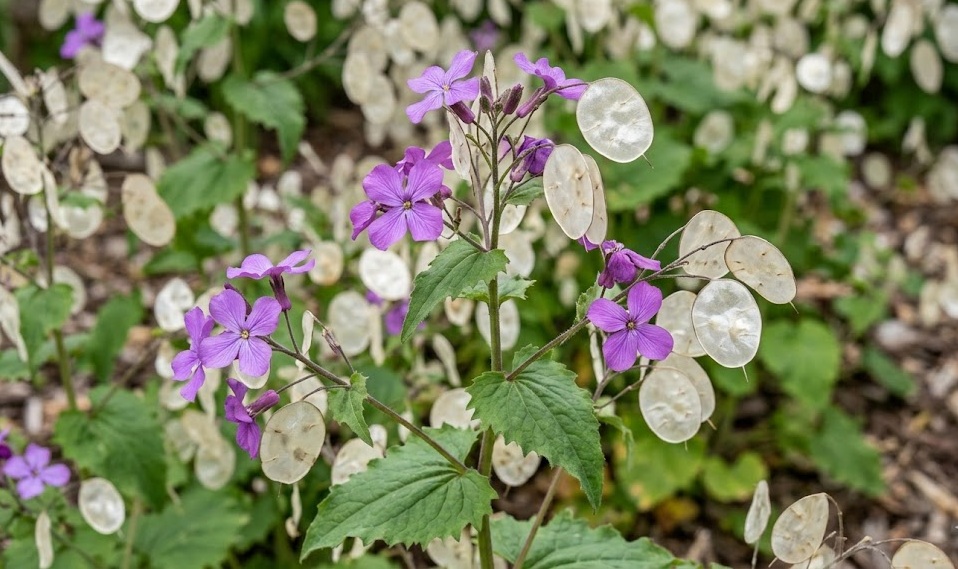
Ultimately, the goal is to develop an intuitive understanding of the plant’s needs and its common challenges. Regular “garden walks” allow you to notice small changes before they become major problems. By combining scientific knowledge with careful observation, you can ensure that your honesty plants remain healthy and beautiful. A well-managed garden is a testament to the skill and dedication of the professional grower.