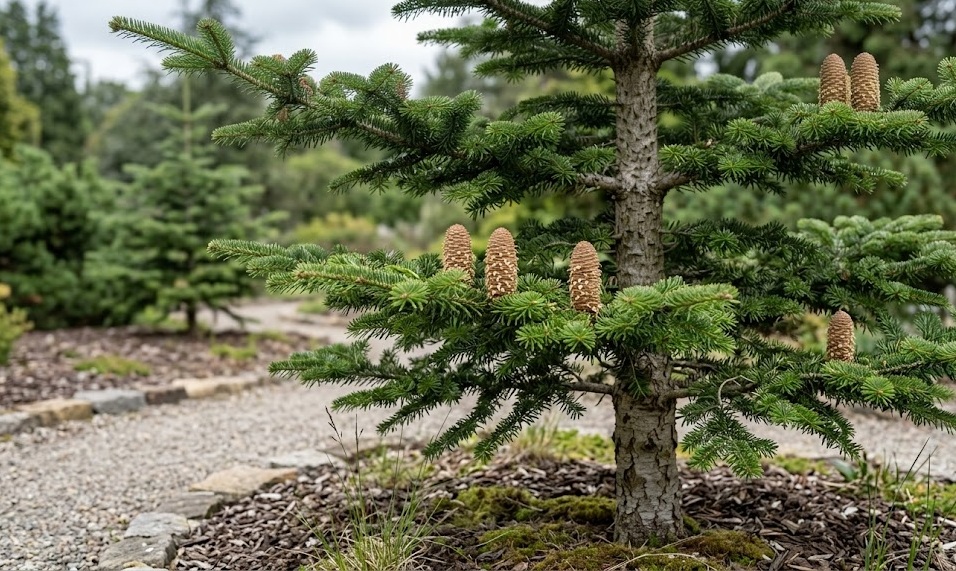

Protecting the Greek fir from biological threats requires a vigilant eye and a professional understanding of the various pathogens and insects that specifically target conifer species. While this tree is relatively hardy when grown in its ideal conditions, it can become vulnerable to a range of issues when stressed by environmental factors or urban pollution. Identifying the early signs of infection or infestation is the key to preventing long-term structural damage or the loss of the entire specimen. By adopting a proactive integrated pest management strategy, you can maintain the health and aesthetic beauty of your Greek fir throughout its long lifespan.
Identifying and managing fungal infections
Fungal diseases are among the most common threats to the Greek fir, particularly in climates that are more humid than its native Mediterranean mountain home. You should be particularly watchful for “needle cast” diseases, which cause the needles to develop brown or reddish spots before they prematurely drop from the tree. These fungi thrive in cool, wet spring weather and can quickly strip a tree of its inner foliage if the air circulation is poor. To manage this, you should ensure the tree has plenty of space and consider a preventative application of a copper-based fungicide during the early stages of bud break.
Root rot, often caused by Phytophthora species, is a much more serious and potentially fatal condition that attacks the tree from beneath the soil. You might notice the entire tree taking on a dull, grey-green appearance, with new growth wilting even when the soil appears to be moist. This disease is almost always linked to poor drainage or over-watering, which creates the anaerobic conditions that these water molds love. Prevention is the best cure here, but if the infection is caught early, improving the drainage and applying a specialized soil drench may help save the tree.
Canker diseases can also affect the Greek fir, appearing as sunken, discolored patches on the bark of the trunk or major branches. You will often see a significant amount of resin or sap “bleeding” from these areas as the tree tries to wall off the infection. These cankers can eventually girdle a branch, cutting off the flow of nutrients and causing the foliage beyond the wound to die back completely. You should carefully prune out infected branches during the dormant season, making sure to sterilize your tools between every single cut to prevent spreading the spores.
Maintaining a clean environment around the base of your tree is a simple yet effective way to reduce the overall fungal pressure in your garden. You should remove and dispose of any fallen, diseased needles rather than leaving them to decompose and release more spores into the air. Similarly, ensuring that your irrigation water does not constantly wet the trunk or the foliage will go a long way in preventing the establishment of many fungal pathogens. A healthy, well-ventilated tree is naturally much better at resisting these types of infections on its own.
More articles on this topic
Common insect pests and their control
The Greek fir is a host to several specific insect pests that can cause both aesthetic and physiological damage if their populations are left unchecked. One of the most persistent issues is the presence of aphids, which are small, soft-bodied insects that suck the sap from the new, tender shoots. You will often notice a sticky substance called “honeydew” on the needles, which frequently leads to the growth of a black, unsightly fungus known as sooty mold. A strong blast of water from a garden hose or an application of insecticidal soap is usually enough to keep aphid numbers under control.
Scale insects are another common problem, appearing as small, immobile bumps on the needles or young twigs that can be easily mistaken for part of the bark. These pests are protected by a waxy shell, making them resistant to many contact insecticides once they have reached the adult stage. You should monitor the tree in the late spring for the “crawler” stage, which is when the young scales are mobile and most vulnerable to treatments like horticultural oil. If left unmanaged, a heavy scale infestation can lead to significant needle yellowing and a general decline in the tree’s vigor.
Spider mites are a significant concern during hot, dry summer months when their populations can explode in a very short amount of time. You should look for very fine webbing between the needles and a characteristic “stippling” or bronzing of the foliage as the mites feed on the plant cells. Because mites are not insects, they often require specialized miticides or regular applications of neem oil to be effectively managed. Increasing the humidity around the tree and keeping it well-hydrated will make the environment less hospitable for these tiny but destructive arachnids.
For larger trees, wood-boring beetles can occasionally target specimens that are already weakened by drought or other stresses. These larvae tunnel through the wood beneath the bark, disrupting the tree’s vascular system and potentially leading to the death of entire branches. You should look for small, perfectly round exit holes in the bark and fine sawdust, known as “frass,” accumulating on the ground or in the crevices of the trunk. Keeping your Greek fir in peak health is the most effective defense against borers, as they are much less likely to attack a vigorous, well-hydrated tree.
More articles on this topic
Environmental and physiological disorders
Not all “sick” looking trees are suffering from a biological pest or disease; many issues are actually physiological responses to the environment. You might see “winter burn” or desiccation, where the needles turn brown at the tips after a particularly cold and windy winter. This happens because the frozen ground prevents the roots from taking up water to replace what is lost from the needles through the wind. Providing a heavy watering in the late autumn and using burlap screens for young trees can significantly reduce the impact of this non-infectious condition.
Nutrient deficiencies can also mimic the symptoms of disease, leading to confusion and unnecessary chemical treatments. As mentioned in previous sections, a lack of iron or magnesium can cause yellowing that looks like a viral or fungal infection but is easily corrected with the right fertilizer. You should always perform a soil test before jumping to the conclusion that your tree has a pathogen, as many “diseases” are actually just signs of a poor diet. Understanding the specific look of healthy Greek fir needles will help you distinguish between a hungry tree and a sick one.
Air pollution and salt spray are urban stressors that can lead to needle browning and premature leaf drop in more developed areas. The Greek fir is somewhat sensitive to high levels of ozone and sulfur dioxide, which can cause “tip burn” and a general thinning of the canopy over several years. If you live near a busy road or in a coastal area, you should occasionally rinse the foliage with fresh water to remove these harmful residues. Choosing a planting site that is shielded from the most intense urban factors will give the tree its best chance at maintaining a pristine appearance.
Soil compaction and “girdling” roots are physical issues that can slowly strangle a tree over many years, leading to a mysterious decline in health. You might notice the tree has a very slow growth rate or that its leader is not as vigorous as it should be for its age. These problems are often hidden underground and require a careful inspection of the root flare and the surrounding soil structure to identify. Addressing these issues early through professional aeration or root pruning can prevent a total collapse of the tree’s health in the future.
Integrated pest management strategies
A professional approach to tree care utilizes Integrated Pest Management (IPM), which focuses on long-term prevention and minimal chemical intervention. You should start by choosing a planting site that perfectly matches the tree’s needs, as a happy tree is its own best defense against any attacker. Regular monitoring is the cornerstone of this strategy; by walking around your tree once a week, you can spot the very first signs of trouble before they become a crisis. This allow you to use mechanical or biological controls, like releasing ladybugs to eat aphids, instead of resorting to heavy pesticides.
When chemical treatments are necessary, you should always choose the most specific and least toxic option available that will still get the job done. For example, using a targeted spray for a specific caterpillar is much better for the environment than using a broad-spectrum insecticide that kills all the beneficial insects too. You should also be mindful of the timing of your applications to avoid harming pollinators like bees that may be visiting nearby flowers. Always follow the label instructions exactly, as “more” is never better when it comes to chemical applications on sensitive evergreens.
Building a diverse garden ecosystem around your Greek fir will naturally help keep pest populations in check without your constant intervention. Encouraging birds, predatory wasps, and other beneficial organisms provides a natural balance that prevents any one pest from taking over. You can do this by providing water sources, nesting sites, and a variety of other plants that bloom at different times of the year. This holistic view of the garden ensures that your Greek fir is part of a resilient community rather than an isolated and vulnerable specimen.
Finally, you should accept that a few bugs or a little bit of needle spot is a natural part of a living landscape and does not always require action. A healthy Greek fir can tolerate a certain level of pest pressure without any long-term impact on its growth or survival. Your goal should be to maintain the tree’s overall vigor so that it can easily “shrug off” minor issues on its own. This balanced mindset will save you time, money, and stress while fostering a more natural and sustainable garden environment.
Advanced diagnostic and treatment tools
For very large or historically significant Greek firs, you may want to consult with a certified arborist who has access to advanced diagnostic tools. These professionals can use techniques like “sonic tomography” to look inside the trunk for signs of hidden decay without harming the tree. They can also perform detailed tissue analysis to pinpoint exact nutrient levels or identify specific strains of pathogens that are not visible to the naked eye. This level of expertise is invaluable for managing high-value specimens that are showing signs of significant or mysterious decline.
Soil injections and trunk micro-infusions are professional treatment methods that deliver medicine or nutrients directly into the tree’s vascular system. This approach is often more effective than surface sprays because it bypasses the thick, waxy cuticle of the needles and the rugged bark of the trunk. It is also more environmentally friendly, as the chemicals are contained entirely within the tree and cannot wash away into the groundwater. While these treatments are more expensive, they can be the only way to save a mature tree from certain pests or diseases.
Staying informed about emerging threats in your region is another critical part of expert-level tree stewardship. New pests and diseases are constantly being moved around the globe, and being the first to know about a local outbreak can give you a significant head start on protection. You should check with local agricultural extensions or forestry services regularly to see what issues are currently affecting conifers in your area. This proactive information-gathering allows you to adjust your monitoring focus and preventative treatments based on real-time data.
The long-term health of your Greek fir is a reflection of your dedication to detail and your respect for the complexity of the natural world. By understanding the common enemies of the tree and knowing how to respond with precision, you are ensuring its place in the landscape for generations to come. Your role as a steward is to provide the support the tree needs to express its natural majesty and resilience. With the right knowledge and a watchful eye, you can successfully navigate any challenges that come your way.