
Protecting the garden snowberry from biological threats is a vital part of maintaining its aesthetic appeal and structural health. While this shrub is remarkably tough and generally resistant to most major issues, it is not entirely immune to the pressures of the local ecosystem. You must be able to identify the early signs of trouble, whether they are caused by microscopic pathogens or hungry insects. A proactive stance on plant health will prevent minor inconveniences from turning into significant infestations that could jeopardize your landscape.
Fungal diseases are perhaps the most common category of health issues you will encounter when growing this species. Conditions like powdery mildew often appear during periods of high humidity coupled with poor air circulation around the branches. You will notice a white, flour-like substance coating the leaves, which can eventually lead to premature leaf drop if left unchecked. Improving the airflow through strategic pruning and avoiding overhead watering are the best preventative measures you can take.
Leaf spot is another fungal condition that can affect the visual quality of the foliage during particularly wet seasons. This manifests as small, dark circular lesions on the leaves that may eventually merge and cause the tissue to die. While it rarely kills the entire shrub, a severe case can significantly weaken the plant by reducing its ability to photosynthesize. Removing and destroying affected leaves and cleaning up fallen debris in the autumn helps break the life cycle of the fungi.
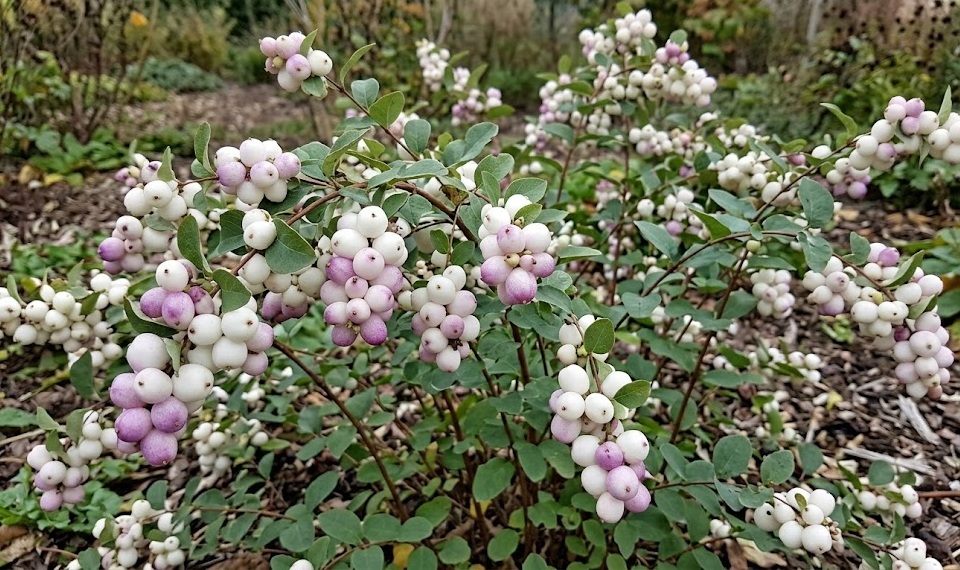
The snowberry’s berries themselves can sometimes fall victim to specialized rots or blights that turn the pristine white fruit into a brown, mushy mess. This is often caused by specific environmental conditions that favor the growth of opportunistic molds. Ensuring the plant is not over-crowded and that the fruit is not resting against damp foliage can help preserve the winter display. If you see diseased berries, it is best to remove the entire cluster immediately to prevent the spread to neighboring fruit.
Identifying and managing common insect pests
Aphids are frequent visitors to the succulent new growth of the snowberry in the spring and early summer. These tiny, sap-sucking insects can cause the young leaves to curl and become distorted as they feed on the plant’s juices. You may also notice a sticky substance called honeydew on the leaves, which can attract ants or lead to the growth of sooty mold. A strong blast of water from a garden hose is often enough to dislodge these pests without resorting to harsh chemicals.
More articles on this topic
Scale insects can sometimes be found clinging to the stems of older snowberry shrubs, appearing as small, stationary bumps. They protect themselves with a waxy covering, making them somewhat difficult to treat once they have firmly established themselves. These pests gradually sap the energy of the branch, leading to dieback or stunted growth in the affected area. Horticultural oils or insecticidal soaps applied during the dormant season or the “crawler” stage can be very effective in managing their numbers.
Spider mites are another potential threat, especially during hot, dry weather when the plant may already be slightly stressed. These microscopic arachnids live on the undersides of the leaves and suck out the cellular contents, leaving behind a fine, dusty stippling. In severe cases, you might see tiny webs stretched between the stems and a general yellowing of the entire canopy. Keeping the plant well-hydrated and occasionally misting the foliage can create an environment that is less hospitable to these pests.
The snowberry clearwing moth is a fascinating insect that uses the shrub as a host for its larvae, though the damage is usually minimal. The caterpillars feed on the leaves, but in a healthy garden, their numbers are rarely high enough to cause significant aesthetic harm. Many gardeners choose to tolerate a small amount of leaf damage in exchange for the presence of these beautiful, hummingbird-like moths. Understanding the difference between a serious pest and a harmless part of the local fauna is a key skill for any professional gardener.
Root health and subterranean challenges
Problems occurring beneath the soil line are often more difficult to diagnose because the symptoms on the surface are often non-specific. Root rot, caused by various soil-borne pathogens, is typically the result of excessively wet or compacted soil conditions. You might notice the entire shrub beginning to wilt even when the soil appears moist, or a general lack of vigor that doesn’t respond to fertilization. Improving drainage and ensuring the plant is not buried too deep are the most important steps in preventing root-related diseases.
More articles on this topic
Nematodes are microscopic roundworms that can sometimes live in the soil and feed on the roots of many ornamental shrubs. While they are less common in well-managed garden soils, an infestation can lead to stunted growth and nutrient deficiencies as the roots lose their efficiency. You might see small galls or swellings on the roots if you were to examine them closely under a magnifying glass. Adding organic matter to the soil encourages beneficial predatory organisms that keep nematode populations in check naturally.
The presence of certain soil fungi can also lead to more serious issues like Verticillium wilt, although the snowberry is not particularly susceptible. This disease blocks the water-conducting tissues of the plant, causing individual branches to die back suddenly while the rest of the shrub remains healthy. There is no chemical cure for this type of systemic infection, so the best approach is to maintain overall plant health and remove affected wood. Always sterilize your pruning tools between cuts to avoid spreading pathogens from one plant to another.
Rodents such as voles or mice can occasionally gnaw on the bark at the base of the shrub during the winter months when food is scarce. If the damage extends all the way around the stem, it can effectively girdle the plant and kill it. You can protect the base of your snowberries with wire mesh guards or by ensuring that mulch is not piled directly against the bark. Keeping the area around the base clear of tall grass also makes it less attractive for these small animals to hide and feed.
Integrated pest management strategies
A professional approach to plant health involves using a combination of cultural, biological, and chemical methods to manage threats. This integrated pest management (IPM) philosophy starts with selecting the right plant for the right place and keeping it healthy through proper care. A vigorous, well-fed snowberry is much more capable of naturally resisting or recovering from minor pest and disease issues. Regular monitoring allows you to catch problems early when they are easiest to solve with minimal intervention.
Encouraging natural predators is one of the most effective and sustainable ways to keep pest populations under control. Ladybugs, lacewings, and parasitic wasps are all beneficial insects that feed on common garden pests like aphids and scale. You can attract these helpers by providing a diverse range of flowering plants and avoiding the use of broad-spectrum insecticides. A balanced garden ecosystem is a self-regulating system that requires much less work from the gardener in the long run.
When intervention is necessary, always start with the least toxic options available, such as physical removal or biological controls. Many common issues can be solved by simply pruning out affected branches or using a targeted soap spray. If you must use a fungicide or insecticide, read the label carefully and apply it only to the affected areas at the correct time of year. This precision protects non-target species and prevents the development of resistance in the pest populations.
Keeping your garden tools clean and sharp is a simple but vital part of disease prevention. Pathogens can easily be carried from a diseased plant to a healthy one on the blades of your pruners or saws. You should wipe your tools with a disinfectant, such as rubbing alcohol or a mild bleach solution, after each use. This professional habit is an easy way to ensure that your maintenance tasks aren’t inadvertently spreading the very problems you are trying to solve.
Long term health monitoring and resilience
Building a resilient garden means accepting that some pests and diseases are a natural part of the environment. You don’t need to aim for a sterile, perfect landscape, but rather a healthy one that can withstand occasional pressure. By observing your snowberries through the seasons, you will learn what is normal for your specific location and what requires action. This deep understanding of your plants is what separates an expert gardener from a casual hobbyist.
Soil health is the foundation of all plant resilience, and continuing to enrich the earth around your shrubs will pay dividends in the future. A soil rich in organic matter supports a diverse community of beneficial microbes that can actively suppress many harmful pathogens. Think of your soil as an immune system for your garden; the better you care for it, the better it will protect your plants. Annual applications of compost and mulch are the best investments you can make in the long-term health of your snowberry.
Climate change and shifting weather patterns may bring new challenges or increase the frequency of existing issues in your region. Being aware of local agricultural or horticultural reports can help you stay ahead of emerging threats that might affect ornamental shrubs. Adjusting your care routines to account for longer droughts or wetter winters ensures that your snowberries remain healthy despite a changing environment. Adaptability is a key trait for any successful long-term caretaker of the landscape.
Finally, remember that the garden snowberry is a remarkably forgiving plant that can recover from many setbacks if given the chance. Even if a shrub looks poorly due to a pest or disease, it will often bounce back with renewed vigor once the stressor is removed. Your role is to provide the support and environment that allows the plant to do what it does best: grow and thrive. With consistent care and a watchful eye, your snowberries will continue to grace your garden with their beauty for many years to come.