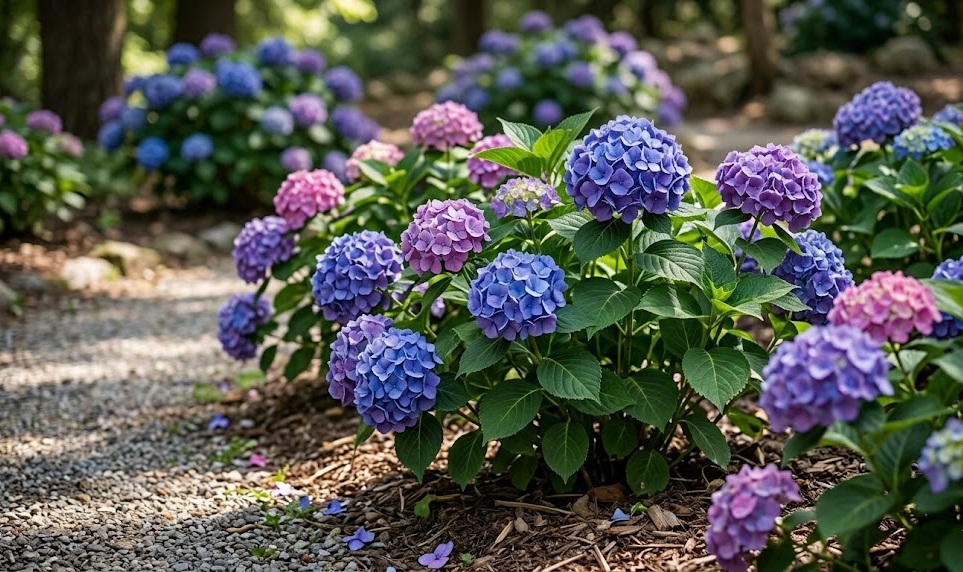

Maintaining the health of these magnificent shrubs requires constant vigilance against a variety of pathogens and insects that can compromise their vitality and aesthetic appeal. While they are generally resilient, certain environmental conditions can trigger outbreaks that spread rapidly if not addressed with professional precision. Integrated Pest Management (IPM) is the most effective approach, focusing on prevention and early detection to minimize the need for harsh chemical interventions. Understanding the lifecycle of common threats allows the gardener to act strategically and protect the long-term integrity of the landscape.
Fungal diseases are perhaps the most frequent challenges faced by growers, particularly in regions with high humidity and limited air movement. These pathogens often target the leaves and stems, creating unsightly spots or powdery coatings that interfere with the plant’s ability to photosynthesize. Early symptoms are often subtle, such as small discolored flecks on the foliage that many casual observers might initially overlook. By the time the damage becomes obvious, the fungus has often already established a strong foothold within the plant’s tissues.
Pests, ranging from microscopic mites to visible colonies of aphids, can also cause significant physical damage and act as vectors for more serious viral infections. These organisms often congregate on the tender new growth or the undersides of the leaves, where they can feed undisturbed. Their presence can result in distorted leaves, stunted shoot development, and a general decline in the plant’s overall vigor. Monitoring for the sticky residue they leave behind, known as honeydew, is a reliable way to detect an infestation before the insects themselves are seen.
A healthy plant is naturally more resistant to both diseases and pests, making proper cultural care the first line of defense in any garden. Stressed plants, whether from drought, nutrient deficiencies, or improper light exposure, send out chemical signals that are highly attractive to opportunistic pests. Ensuring that the soil is healthy, the watering is consistent, and the air circulation is adequate creates a hostile environment for most common threats. Professional horticulture is as much about creating a resilient ecosystem as it is about treating specific problems when they arise.
Fungal infections and leaf spots
Cercospora leaf spot is a common fungal issue that manifests as small, circular purple or brown spots on the leaves, often starting at the bottom of the plant. As the disease progresses, the centers of the spots may turn light gray, and the surrounding tissue often yellows and eventually falls off. This pathogen thrives in warm, wet environments and is easily spread by splashing water or wind-blown spores. Removing and destroying infected leaves as soon as they appear is a critical step in breaking the disease cycle and preventing its spread to healthy foliage.
More articles on this topic
Powdery mildew is another widespread fungal problem that covers the leaves and buds with a white, flour-like substance during periods of high humidity. While it rarely kills the plant, it can severely disfigure the foliage and reduce the quality of the upcoming blooms. Improving air circulation by thinning out dense growth and avoiding late-evening overhead watering are the most effective preventive measures. For serious outbreaks, horticultural oils or sulfur-based fungicides can be used to control the spread without causing excessive harm to the environment.
Botrytis blight, often called gray mold, typically targets the flowers and tender buds during cool, damp weather in the spring or autumn. It causes the blossoms to turn brown and mushy, often covered with a fuzzy gray growth that can spread rapidly through the entire flower head. This disease is particularly devastating because it directly ruins the primary aesthetic feature of the shrub for the entire season. Promptly removing spent or damaged flowers and ensuring adequate spacing between plants are the best ways to manage this moisture-loving pathogen.
Root rot, caused by various soil-borne fungi like Phytophthora, is a much more serious condition that can lead to the sudden death of the entire plant. It typically occurs in heavy, poorly drained soils where the roots are consistently saturated and deprived of oxygen. Affected plants often exhibit wilting that does not improve with watering, along with yellowing foliage and a general lack of vigor. Prevention is the only real cure, as once the root system is severely compromised, it is very difficult to save the specimen without significant intervention and site improvement.
Viral and bacterial threats
Viruses, such as the Hydrangea Ringspot Virus, can cause a variety of symptoms including mottled leaf patterns, yellow rings, and distorted growth. Unlike fungal diseases, viral infections are systemic and cannot be cured once the plant is infected; they are often spread by contaminated pruning tools or by sap-sucking insects like aphids. Infected plants may appear stunted and produce fewer, smaller flowers that lack their typical vibrant color. The only professional management strategy for a confirmed viral infection is to remove and destroy the affected plant to protect the rest of the garden.
More articles on this topic
Bacterial leaf spot is another challenging issue that produces angular, water-soaked spots on the foliage that eventually turn dark brown or black. This condition is often confused with fungal spots, but it requires different management techniques as fungicides are ineffective against bacteria. It is most prevalent during periods of warm, rainy weather when the bacteria can easily move through the garden on wind-driven droplets. Maintaining clean garden tools and avoiding the handling of wet plants are essential practices for limiting the spread of bacterial pathogens.
Crown gall is a bacterial disease that causes large, tumor-like growths to form at the base of the stems or on the roots of the shrub. These galls interfere with the movement of water and nutrients throughout the plant, leading to a slow decline in health and productivity. The bacteria responsible for this condition can survive in the soil for many years, making it difficult to replant in the same area. Professional growers recommend buying certified disease-free nursery stock and avoiding any physical injury to the lower stems during maintenance to prevent infection.
Preventing the spread of these serious pathogens requires a high level of garden hygiene and professional discipline during all maintenance activities. Pruning tools should be disinfected with a ten percent bleach solution or isopropyl alcohol between every single plant to ensure no cross-contamination occurs. Garden waste from infected plants should never be composted, as the high temperatures required to kill many of these pathogens are rarely reached in home composting systems. This rigorous approach to sanitation is the hallmark of a professionally managed and healthy landscape.
Managing common insect pests
Aphids are small, soft-bodied insects that congregate in large numbers on the tender new shoots and the undersides of leaves to suck the plant’s sap. Their feeding causes the leaves to curl and yellow, and their presence is often signaled by the appearance of ants that feed on the sugary honeydew they produce. A strong stream of water from a garden hose is often enough to dislodge them, while larger infestations can be controlled with insecticidal soaps. Encouraging natural predators like ladybugs and lacewings is the most sustainable way to keep aphid populations in check over the long term.
Spider mites are microscopic pests that thrive in hot, dry conditions and can cause the foliage to take on a stippled, bronzed, or dusty appearance. They are often difficult to see with the naked eye, but their fine webbing on the undersides of the leaves is a definitive sign of their presence. Regular misting of the foliage during dry spells can help create an environment that is less favorable for their development and reproduction. If chemical control is necessary, miticides specifically designed for these pests should be used, as many standard insecticides are ineffective against them.
Scale insects appear as small, immobile bumps on the stems and leaves, often resembling tiny shells or armored plates. They feed by piercing the plant tissue and sucking out the vital juices, which can lead to significant weakening of the shrub if left untreated. Because of their protective outer covering, they are resistant to many contact sprays except during their “crawler” stage in early summer. Horticultural oils applied during the dormant season or when the crawlers are active are the most effective professional methods for managing scale populations.
Slugs and snails can be particularly destructive to young plants and low-hanging foliage, especially in shaded, damp gardens. They feed at night, leaving behind large, irregular holes in the leaves and a telltale trail of shimmering slime. Managing these pests involves removing their hiding places, such as dense weeds or debris piles, and using barriers or organic baits when necessary. Regularly inspecting the garden in the early morning or evening allows for the manual removal of these pests before they can cause extensive damage to the foliage.
Integrated pest management strategies
A professional IPM strategy begins with the selection of resistant varieties that are better suited to the local climate and common environmental pressures. By choosing plants that have a natural defense against the most prevalent local issues, the gardener significantly reduces the need for future interventions. Understanding the specific needs of each variety also allows for better placement within the garden, further enhancing the plant’s natural resilience. This proactive approach is the foundation of a sustainable and low-maintenance landscape design.
Regular monitoring and scouting are essential components of any successful pest and disease management program. By walking through the garden daily and observing the plants closely, the gardener can catch potential problems in their earliest and most manageable stages. This allows for localized treatments that are more effective and less disruptive to the overall garden ecosystem. Keeping detailed records of when certain pests or diseases appear each year helps in predicting and preventing future outbreaks.
Biological controls, such as the introduction or encouragement of beneficial insects, play a crucial role in maintaining a healthy balance in the garden. Avoiding the use of broad-spectrum pesticides preserves these natural allies and allows them to do the work of pest management for the gardener. Providing a diverse range of flowering plants nearby can help attract and support a variety of predatory insects throughout the growing season. This ecological approach to gardening creates a self-regulating environment that is both beautiful and healthy.
When chemical interventions are absolutely necessary, they should be chosen and applied with the utmost care to minimize their impact on non-target organisms. Using targeted products like Bt (Bacillus thuringiensis) for caterpillars or neem oil for a variety of pests ensures that the intervention is as specific as possible. Always follow the label instructions precisely and apply treatments during times when beneficial insects like bees are less active. Professionalism in the garden means being a responsible steward of the environment while still achieving the desired aesthetic results.