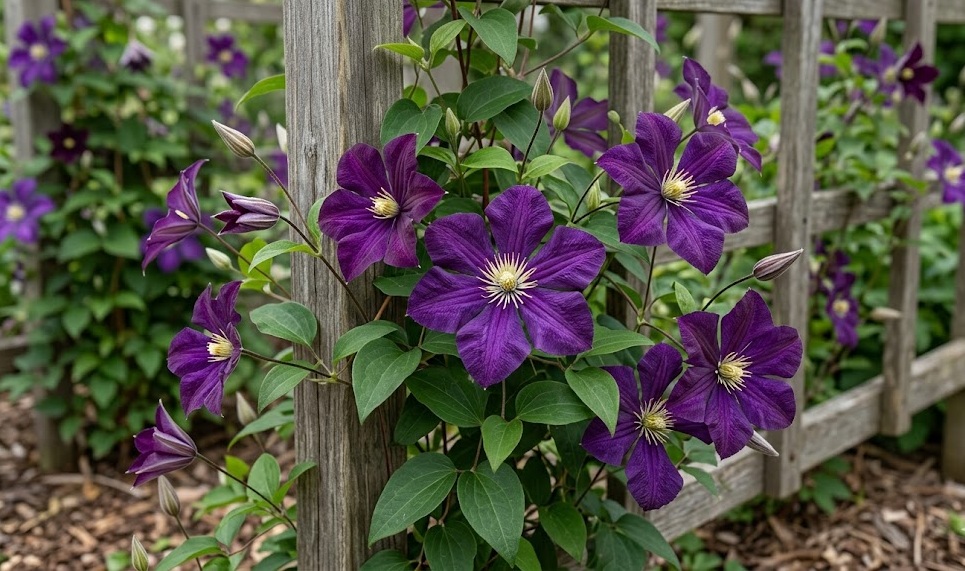

While the garden clematis is generally a hardy and vigorous climber, it is not entirely immune to the various pathogens and insects that haunt the garden. Early identification and a professional approach to management are essential for preventing a small issue from ruining your summer floral display. From the devastating wilt to the common garden slug, understanding your enemies is the first step in protecting your precious landscape investments. This article provides a comprehensive guide to the most common health challenges faced by this specific flowering variety.
Understanding and managing clematis wilt
Clematis wilt is perhaps the most famous and feared disease among enthusiasts of this specific climbing vine variety. It is caused by a fungus that attacks the vascular system of the plant, preventing water from reaching the upper leaves and stems. The most classic symptom is a sudden, dramatic wilting of a single stem or the entire plant, often appearing almost overnight during hot weather. While it looks fatal, the good news is that the fungus usually does not kill the roots of an established plant.
If you observe a stem suddenly collapsing, your first action should be to cut it off at ground level immediately to prevent the spread of spores. You must dispose of the infected material in the trash rather than the compost pile to avoid recycling the pathogen back into your garden. Since the fungus thrives in stagnant air and moist conditions, improving the airflow around the base of the plant can help reduce the risk. Ensure that your pruning tools are thoroughly sterilized with alcohol or a bleach solution after every single cut you make.
The practice of planting your clematis deeper than it was in its nursery pot serves as a vital insurance policy against this specific disease. By burying the lower nodes, you encourage the plant to develop dormant buds beneath the surface of the soil that are protected from the fungus. If the top of the plant is completely destroyed by wilt, these underground buds can often send up healthy new shoots in a few weeks. This resilience is why deep planting is considered a non-negotiable step by professional growers and landscape designers.
Prevention through proper cultural practices is always better than trying to cure an active and aggressive fungal infection in your garden. Keeping the roots cool and the soil consistently moist helps reduce the physiological stress that can make a plant more susceptible to wilt. Avoid over-fertilizing with high-nitrogen products, as the resulting soft, watery growth is much easier for the fungus to penetrate and destroy. A strong, healthy plant with woody stems is much better equipped to resist the initial stages of a fungal attack.
More articles on this topic
Common fungal and foliage issues
Powdery mildew is a frequent visitor to many gardens, appearing as a white, dusty coating on the leaves and stems during humid weather. While it is rarely fatal, a severe infection can weaken the plant and significantly reduce the beauty of the dark green foliage. It typically occurs when the roots are dry but the air is humid, a common condition during the late summer months in many regions. Increasing the spacing between plants and ensuring they have plenty of sun can help keep this unsightly fungus at bay.
Rust is another fungal problem that can sometimes affect the health and appearance of your climbing vines, especially in damp environments. You will see small, orange or brown pustules on the undersides of the leaves, which can eventually lead to premature leaf drop. Like most fungi, rust spores are spread by water splashing from the soil or from other infected plants during heavy rain. Removing and destroying any affected leaves as soon as you see them is the most effective way to manage a minor outbreak.
Leaf spot diseases can also occur, showing up as various circular or irregular brown spots on the foliage throughout the growing season. These are often caused by several different types of fungi that thrive in cool, wet spring weather and can persist on fallen debris. Clearing away old leaves in the autumn and applying a fresh layer of mulch can help break the life cycle of these persistent pathogens. In severe cases, an organic copper-based fungicide applied early in the season can provide a protective barrier for the new growth.
Environmental leaf scorch is often mistaken for a disease, but it is actually a physical reaction to extreme heat or wind exposure. This condition causes the edges of the leaves to turn brown and crispy, especially on the parts of the plant that receive the most sun. It is a sign that the plant is losing water through its leaves faster than the roots can supply it from the dry soil. Providing some temporary shade or increasing the frequency of deep watering can usually stop the progression of this environmental stress symptom.
More articles on this topic
Insect pests and their control
Aphids are small, sap-sucking insects that can cluster on the tender new shoots and flower buds in the early spring months. Their feeding can cause the leaves to curl and become distorted, and they also produce a sticky substance called honeydew that attracts ants. You can usually control a minor infestation by simply knocking the insects off with a strong stream of water from your garden hose. For more persistent problems, an organic insecticidal soap or a solution of diluted neem oil can be highly effective and safe.
Spider mites are microscopic pests that thrive in hot, dry conditions and can cause the leaves to look stippled or dusty. If you notice fine webbing between the stems, it is a clear sign that a significant population of these mites has moved into your garden. They are particularly troublesome for plants grown in sheltered spots or against warm walls where the air remains very still and dry. Increasing the humidity around the plant by misting the foliage in the mornings can help make the environment less hospitable for these pests.
Scale insects can sometimes be found clinging to the woody stems of older clematis plants, looking like small, immobile brown bumps. These pests suck the life out of the plant and can be very difficult to remove once they have established their hard, protective shells. You can prune out heavily infested stems or use a soft brush to manually scrub the insects off with a bit of soapy water. Dormant oil sprays applied in the late winter can also help suffocate any overwintering eggs and adults before the spring growth begins.
Beneficial insects like ladybugs, lacewings, and predatory mites are your best allies in the fight against common garden pests like aphids and mites. You should avoid using broad-spectrum chemical pesticides that kill these helpful predators along with the pests you are trying to target. Creating a diverse garden with many different types of flowering plants will attract these natural defenders and help keep pest populations in balance. A healthy ecosystem is the most sustainable and low-effort way to manage insects in your backyard landscape.
Managing slugs, snails, and soil pests
Slugs and snails are notorious for their love of tender young clematis shoots, especially during damp spring nights when growth is just starting. They can devour a whole new stem in a single night, leaving nothing but a silvery trail of slime behind as a clue. You should be particularly vigilant when the first green tips emerge from the soil, as this is when the plant is most vulnerable to damage. Using copper tape around the base or setting up beer traps are traditional and effective organic ways to protect your vines.
Nematodes are tiny, worm-like creatures that live in the soil and can sometimes attack the roots of your climbing plants from beneath the surface. While most nematodes are beneficial, some species cause root galls or stunt the growth of the plant by feeding on the delicate root tissues. If a plant remains stunted and weak despite perfect care, you may need to have a soil sample tested for the presence of these pests. Adding plenty of organic matter and planting French marigolds nearby are known to help suppress harmful nematode populations naturally.
Vine weevils are another soil-dwelling threat, with the adult beetles chewing notches in the leaf edges and the larvae eating the roots. The larvae are particularly dangerous because they can sever the root system entirely before you even realize there is a problem above ground. If you see the characteristic C-shaped white grubs in the soil while planting or moving a vine, you should take immediate action. Beneficial nematodes can be watered into the soil to hunt down and kill these larvae without harming other garden life.
Physical barriers and regular nighttime inspections are often more effective for managing large pests than any chemical solution you can buy. Going out with a flashlight after a rainstorm can help you find and manually remove dozens of slugs and snails before they do any damage. Keeping the area around the base of your plants free of long grass and excessive debris will also remove the hiding spots these pests use during the day. A tidy garden is generally a much less inviting place for the creatures that want to eat your prize-winning flowers.
Identifying nutrient and environmental stress
Sometimes what looks like a pest or disease is actually the plant’s way of telling you that it is unhappy with its current environment. Nutrient deficiencies often manifest as strange leaf colors, such as purple tints or yellowing between the veins of the older foliage. Magnesium deficiency is quite common in these plants and can be easily fixed with a small application of Epsom salts during the growing season. Learning to distinguish these chemical issues from biological ones is a key skill for any advanced gardener or professional.
Extreme weather events, such as a late spring frost or an intense mid-summer heatwave, can cause physical damage that mimics various diseases. Frost can turn new growth black and mushy, while heat can cause buds to drop before they have a chance to open and display their beauty. In these cases, the best treatment is simply to provide the plant with extra care and wait for it to recover on its own. Avoid the temptation to over-fertilize a stressed plant, as this can often make the situation worse by forcing growth it cannot support.
The pH of your soil can also be a hidden cause of poor health that might be mistaken for a disease or a pest infestation. If the soil is too acidic or too alkaline, the plant may show signs of stress that no amount of pesticide or fungicide will ever cure. A simple soil test is the only way to know for sure what is happening beneath the surface and how to correct it effectively. Maintaining a neutral pH ensures that the plant has access to the full spectrum of nutrients it needs to build its own natural defenses.
In conclusion, the best defense against all health problems is to provide the plant with the ideal growing conditions it deserves from the very start. A well-watered, properly fed clematis growing in the right amount of light is naturally much more resistant to both insects and fungi. Observe your plants regularly and act quickly when you see the first signs of trouble to keep your garden looking its best. With a little knowledge and attention, you can successfully manage any challenges that come your way and enjoy a stunning floral display year after year.