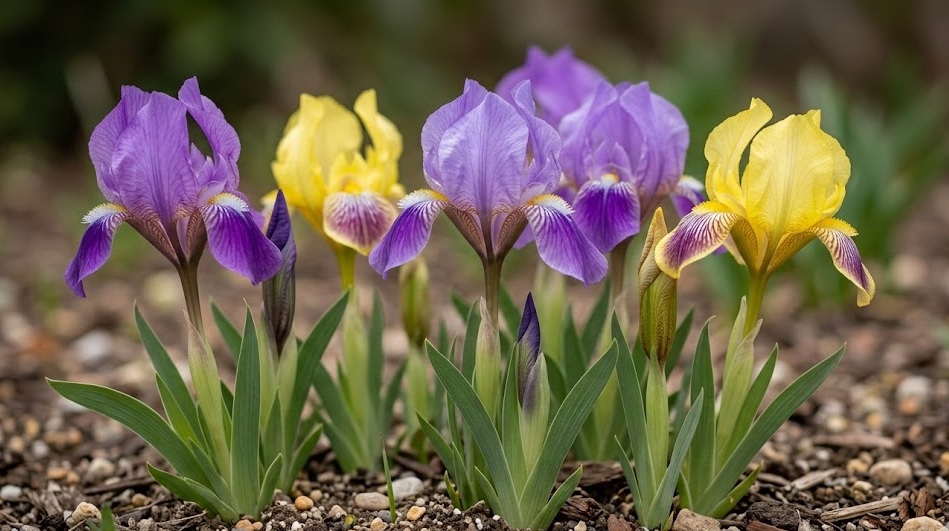

Protecting these delicate spring flowers from various biological threats is a vital part of maintaining a professional and healthy garden. You will find that most issues can be prevented or managed effectively if you catch them early through regular and careful inspection of your plants. These miniature irises are generally hardy, but they are not immune to the specific pathogens and insects that target the iris family. By understanding the signs of trouble, you can take quick action to ensure your garden remains a vibrant and safe space for your collection.
The most common disease that affects these plants is rhizome rot, which is usually caused by excessive moisture and poor drainage in the soil. You will notice a foul smell and a softening of the root structure if this bacterial infection takes hold of your iris clump. It is essential to remove and destroy any infected parts immediately to prevent the disease from spreading to healthy neighbors. Improving the airflow and ensuring the rhizomes are partially exposed to the sun are the best long-term preventative measures you can take.
Leaf spot is another frequent problem that appears as small, brown or greyish circles on the foliage during periods of high humidity. You should remove any affected leaves as soon as you see the spots to stop the fungal spores from multiplying and traveling through the air. This disease rarely kills the plant, but it can significantly weaken it by reducing the surface area available for photosynthesis. Keeping the foliage dry during watering and maintaining proper spacing between plants will greatly reduce the risk of an outbreak.
Bacterial leaf streak can sometimes be confused with fungal issues, but it often appears as longer, water-soaked lines that follow the veins of the leaf. You should be careful not to work among your plants when they are wet, as this is the primary way the bacteria are spread from one fan to another. If a plant is heavily infected, it is often best to remove the entire clump and treat the soil with a professional-grade disinfectant before replanting. Clean tools and good garden hygiene are your best defenses against these invisible but persistent microscopic threats.
Rust is a fungal disease that creates orange or reddish-brown pustules on the undersides of the leaves, often during the cooler months of autumn. You can often manage this issue by simply removing the old, infected foliage at the end of the season and disposing of it far away from your garden. This prevents the spores from overwintering and reinfecting the new growth when it emerges in the spring. While rust is mostly an aesthetic problem, it can contribute to the overall decline of a plant’s vigor if it is allowed to persist year after year.
More articles on this topic
Managing the iris borer and other insect pests
The iris borer is perhaps the most destructive pest you will encounter in your journey as a specialized gardener. You should look for signs of their activity in the late spring, such as small pinprick holes or vertical streaks on the developing leaves. These larvae tunnel down into the rhizome where they feed and grow, eventually causing the entire plant to collapse from internal damage. If you find an infested plant, you must dig it up and carefully cut out the borer before it can finish its life cycle and lay more eggs.
Aphids are small, sap-sucking insects that can cluster on the flower buds or the tender new growth of the fans. You will notice a sticky substance called honeydew on the leaves, which can lead to the growth of unsightly black sooty mold. A gentle blast of water from a garden hose is often enough to dislodge these pests without damaging the plant itself. For more persistent populations, an application of organic neem oil or insecticidal soap will provide an effective and environmentally friendly solution.
Slugs and snails find the succulent leaves and colorful petals of the dwarf iris to be an irresistible treat during the damp spring nights. You should check your garden in the early morning for the tell-tale shiny trails and irregular holes left behind by these nocturnal visitors. Using physical barriers like copper tape around containers or organic iron phosphate pellets can help keep these populations under control. Maintaining a clean garden surface without heavy organic mulch near the irises removes the hiding places that these pests require to survive.
Thrips are tiny, slender insects that are almost invisible to the naked eye but can cause significant damage to the flowers. You might see silver or white streaks on the petals, or the buds may fail to open properly if the infestation is severe. These pests are particularly active during warm, dry weather and can be managed by keeping the area around the plants well-hydrated. In a professional setting, releasing predatory mites or using specific organic sprays can help restore the balance in your garden ecosystem.
More articles on this topic
Preventing fungal and bacterial soil-borne issues
Crown rot is a serious condition that can cause the leaves to turn yellow at the base and eventually fall over as if they were cut. You will often see a white, thread-like fungal growth near the soil surface when this pathogen is active in your garden beds. This issue is most common in soils that are rich in organic matter but lack sufficient drainage and airflow at the plant base. Removing the affected plant and the surrounding soil is the only way to stop the spread of this aggressive and persistent fungus.
Fusarium wilt is another soil-borne disease that affects the vascular system of the plant, preventing it from taking up water and nutrients correctly. You should be suspicious of this disease if your plants appear to be wilting even when the soil moisture levels are adequate. There is no easy cure for this systemic infection, so prevention through crop rotation and using clean, healthy stock is the best strategy. Professional gardeners often use beneficial soil microbes to help suppress these harmful pathogens and promote a healthier underground environment.
Botrytis, or grey mold, can affect the flowers and buds during periods of prolonged cool and wet weather in the spring. You will see a fuzzy grey growth on the dying tissue, which can quickly spread to healthy parts of the plant if the humidity remains high. Removing spent flowers and avoiding overhead irrigation are the most effective ways to manage this common fungal problem. A garden with plenty of sun and good wind movement is naturally resistant to the conditions that allow grey mold to flourish and spread.
Nematodes are microscopic worms that live in the soil and can damage the root systems of many different garden plants including the iris. You might notice that your plants are stunted, yellowed, or simply failing to thrive despite receiving excellent care and nutrition. If you suspect a nematode problem, you can have your soil tested by a professional lab to confirm the presence of these invisible pests. Using companion planting with marigolds or applying specific biological treatments can help reduce their numbers over several growing seasons.
Sanitation and hygiene in the professional garden
Keeping your garden tools clean is one of the simplest and most effective ways to prevent the spread of diseases from one plant to another. You should wipe your pruning shears and knives with a solution of rubbing alcohol or a mild bleach mixture after every few cuts. This practice is especially important when you are dividing rhizomes or removing diseased foliage from your collection. A small amount of effort in sanitation can save you hours of work in managing a widespread disease outbreak later in the season.
Proper disposal of infected plant material is a critical step in breaking the life cycle of many common garden pathogens and pests. You should never put diseased leaves or rotted rhizomes into your home compost pile, as the temperatures are usually not high enough to kill the spores or larvae. Instead, place this material in a sealed bag and put it in the trash, or burn it if your local regulations allow for it. This ensures that the problems are removed from your property permanently and do not return to haunt your garden next year.
Removing all old foliage at the end of the growing season is a standard professional practice that greatly improves the health of the iris bed. You should wait until the leaves have turned brown and died back naturally before cutting them down close to the soil surface. This removal takes away the hiding places for pests like the iris borer and prevents fungal spores from overwintering in the garden debris. A clean, bare soil surface during the winter months allows the sun to reach the ground and helps keep the rhizomes firm and healthy.
Choosing disease-resistant varieties is a smart long-term strategy for any gardener who wants to minimize their use of chemical interventions. You can research different cultivars and talk to local experts to find out which irises have the best track record in your specific climate and soil type. Some newer varieties have been bred specifically for their resilience against common issues like leaf spot or rot. Investing in high-quality, healthy stock from a reputable nursery is the foundation of a successful and low-maintenance garden.
Monitoring and responsive care strategies
Setting up a regular scouting schedule allows you to catch most problems before they become severe enough to threaten the life of the plant. You should walk through your garden at least once a week, looking closely at the fans, the flowers, and the base of each rhizome. Early detection of a few aphids or a single spotted leaf is much easier to handle than a full-scale infestation or a widespread fungal infection. This proactive approach is what separates a casual hobbyist from a truly professional and successful gardener.
Keeping a garden log or journal helps you track the timing of different issues and the effectiveness of the treatments you apply. You might notice that certain pests always appear in a specific month or that a particular variety is more susceptible to disease than others. This historical data is incredibly valuable for planning your maintenance tasks and making decisions about future additions to your garden. Over time, you will develop an intuitive sense of what your plants are telling you and how to respond most effectively.
Using organic and biological controls whenever possible preserves the natural balance of your garden and protects beneficial insects like bees and ladybugs. You should only turn to chemical pesticides as a last resort and always follow the instructions on the label exactly to avoid damaging your plants or the environment. Many professional gardeners find that healthy plants in a diverse ecosystem are capable of managing most minor pest and disease issues on their own. This holistic view of the garden promotes a more resilient and sustainable landscape for everyone to enjoy.
Educating yourself about the specific needs and vulnerabilities of the dwarf iris is an ongoing process that yields great rewards. You can join local garden clubs or online forums to share experiences and learn from the challenges faced by other enthusiasts. The world of plant pathology and entomology is complex, but even a basic understanding of the key players can make a huge difference in your success. A well-informed gardener is the best defense that any plant can have against the many threats found in the natural world.