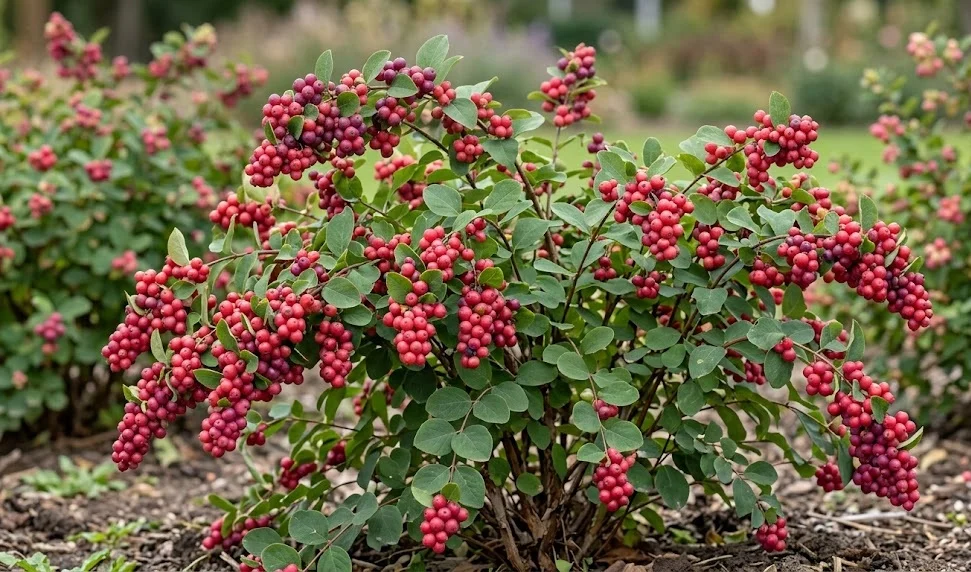

Protecting your shrubs from biological threats is an essential part of maintaining a beautiful and healthy landscape throughout the year. While the coralberry is generally considered a tough and low-maintenance plant, it is not entirely immune to problems. Various fungi, bacteria, and insects can occasionally cause damage that affects the appearance and vigor of the shrub. A professional approach to plant health involves early identification, prevention, and the use of targeted treatments when necessary to keep these issues under control.
The first step in any pest and disease management plan is to spend time observing your plants on a regular basis. You should look for changes in leaf color, unusual spots, or the presence of visible insects on the stems and foliage. Catching a problem in its early stages makes it much easier to treat and prevents it from spreading to other plants in your garden. Consistent monitoring is the most effective tool you have for maintaining a professional-grade agricultural or garden setting.
Environmental stress is often the underlying factor that allows pests and diseases to gain a foothold on an otherwise healthy plant. Shrubs that are struggling with drought, poor nutrition, or incorrect lighting are much more vulnerable to attack. By ensuring that your coralberries have the right growing conditions, you are providing them with a natural defense system against most common threats. A healthy plant is much better equipped to heal from minor damage and continue growing without significant setbacks.
When you do encounter a problem, it is important to correctly identify the cause before you start applying any treatments. Misidentifying a fungal issue as a pest problem can lead to the use of ineffective chemicals that might harm beneficial insects. You can use gardening books, online resources, or local agricultural extension offices to help you diagnose the specific issue. Taking the time to be accurate in your diagnosis will save you money and protect the overall health of your garden ecosystem.
Common fungal and bacterial issues
Powdery mildew is one of the most frequent fungal problems that gardeners face when growing this particular species. It appears as a white, flour-like substance on the surface of the leaves, especially during periods of high humidity and warm temperatures. While it rarely kills the plant, it can significantly detract from its beauty and reduce the overall vigor of the shrub. Improving air circulation around the plant and avoiding overhead watering are the best ways to prevent this unsightly fungus from developing.
More articles on this topic
Rust is another fungal disease that can occasionally affect the foliage of the coralberry, appearing as orange or brownish spots on the undersides of the leaves. This fungus often requires two different host plants to complete its life cycle, which can make it a complex issue to manage. Removing and destroying any infected leaves as soon as you see them will help slow the spread of the spores. In severe cases, you may need to apply a fungicide specifically formulated for rust to protect the remaining healthy foliage.
Root rot is a serious condition caused by various soil-borne pathogens that thrive in waterlogged and poorly drained soil. The symptoms often start with a general decline in health, including yellowing leaves and wilting that does not improve with watering. Because the damage happens underground, it is often quite advanced by the time you notice the signs above the surface. The best way to manage root rot is through prevention by ensuring that your planting site has excellent drainage and by not over-watering.
Leaf spot diseases can be caused by either bacteria or fungi and usually appear as small, dark circles on the leaves that may eventually merge together. These spots can cause the leaves to fall off early, which weakens the plant over time and reduces its ornamental value. Keeping the area under the shrub clean of fallen debris will help reduce the number of pathogens that can overwinter in the soil. Pruning away the most affected branches can also help the plant recover and encourage the growth of fresh, healthy foliage.
Identifying and managing common insect pests
Aphids are small, soft-bodied insects that can often be found clustering on the new, tender growth of the shrub in early spring. They feed by sucking the sap out of the plant, which can lead to distorted leaves and a sticky substance known as honeydew. In many cases, a strong blast of water from a garden hose is enough to dislodge them and keep their numbers under control. If the infestation is large, you may need to use insecticidal soap or encourage natural predators like ladybugs and lacewings.
More articles on this topic
Scale insects are another pest that can go unnoticed because they often look like small bumps or growths on the stems of the plant. These insects protect themselves with a hard outer shell and feed on the plant’s internal fluids, which can cause significant weakening over time. Because of their protective coating, they can be difficult to treat with standard sprays once they are mature. Using a horticultural oil during the dormant season is a professional technique that smothers the scales and their eggs before they can hatch.
Spider mites are tiny pests that are most active during hot, dry weather and can cause the leaves to take on a stippled or bronzed appearance. You might also notice very fine webbing between the leaves and stems if the population is particularly high. Increasing the humidity around the plant and keeping it well-watered can help deter these pests from taking up residence. If necessary, specialized miticides can be used, but these should be a last resort to protect other beneficial garden inhabitants.
Caterpillars and other chewing insects may occasionally feed on the leaves, leaving behind holes or ragged edges. In most cases, the damage is purely cosmetic and does not harm the long-term health of the mature shrub. You can often simply pick them off by hand if you only find a few, or you can use biological controls that target specific types of larvae. Maintaining a garden that attracts birds will also provide a natural way to keep caterpillar populations in check without the use of chemicals.
Organic and integrated pest management
Integrated Pest Management, or IPM, is a professional philosophy that focuses on long-term prevention and the use of the least harmful methods first. This approach involves monitoring your plants, setting action thresholds, and using a combination of cultural, biological, and physical controls. Chemical treatments are only used as a last resort when other methods have failed to keep the damage within acceptable levels. By following IPM principles, you can maintain a healthy garden while minimizing your impact on the surrounding environment.
Biological control involves using the natural enemies of pests to keep their populations in check within your garden. This can include attracting predatory insects, birds, and even beneficial bats that feed on common garden pests. You can encourage these helpful creatures by providing them with habitat, such as birdhouses, and by avoiding the use of broad-spectrum pesticides. A garden that is full of life will often find its own balance, reducing the amount of work you have to do as a gardener.
Cultural controls are the everyday gardening practices that help prevent pests and diseases from becoming a problem in the first place. This includes choosing the right plant for the right location, maintaining proper spacing for air circulation, and practicing good sanitation. Removing dead or diseased wood and clearing away fallen leaves at the end of the season are simple but highly effective techniques. These habits create an environment that is less hospitable to pathogens and pests alike.
Physical controls are direct actions you can take to remove pests or prevent them from reaching your plants. This might include hand-picking large insects, using row covers to protect young plants, or installing barriers to keep out larger animals. For fungal issues, physical control might involve pruning out infected branches to stop the disease from moving into the main body of the shrub. These methods are often very effective for small-scale garden settings and do not introduce any harmful substances into the soil.
Managing environmental stress and recovery
Sometimes, what looks like a disease or pest problem is actually a physiological response to unfavorable environmental conditions. For example, leaf scorch can occur when the plant loses water faster than it can be replaced during periods of high heat and wind. The edges of the leaves will turn brown and crispy, but this is not caused by a pathogen and will not spread like a fungus. Providing extra shade or water during these extreme events is the best way to help the plant cope.
Nutrient deficiencies can also cause changes in the appearance of the leaves that might be mistaken for a disease. A lack of iron, for instance, can lead to yellowing between the leaf veins, a condition known as chlorosis. This is often caused by a soil pH that is too high, which prevents the plant from being able to absorb the iron that is already present. Professional soil testing is the only way to be sure if a problem is nutritional or biological in nature.
If your coralberry has suffered significant damage from a pest or disease, it will need extra care to help it recover. You should provide consistent water and a light application of a balanced fertilizer to support the growth of new, healthy foliage. Avoid heavy pruning while the plant is stressed, as it needs its remaining leaves to produce energy for healing. With a little extra attention and the removal of the original stressor, most hardy shrubs will make a full recovery over the course of a growing season.
Long-term success in managing plant health comes from being proactive rather than reactive to problems as they arise. By building healthy soil, choosing the right plants, and maintaining a diverse garden, you are creating a resilient system that can handle minor issues. Remember that a few holes in the leaves or a small amount of mildew is often a natural part of a living garden. A professional gardener knows when to intervene and when to let nature take its course for the benefit of the whole landscape.