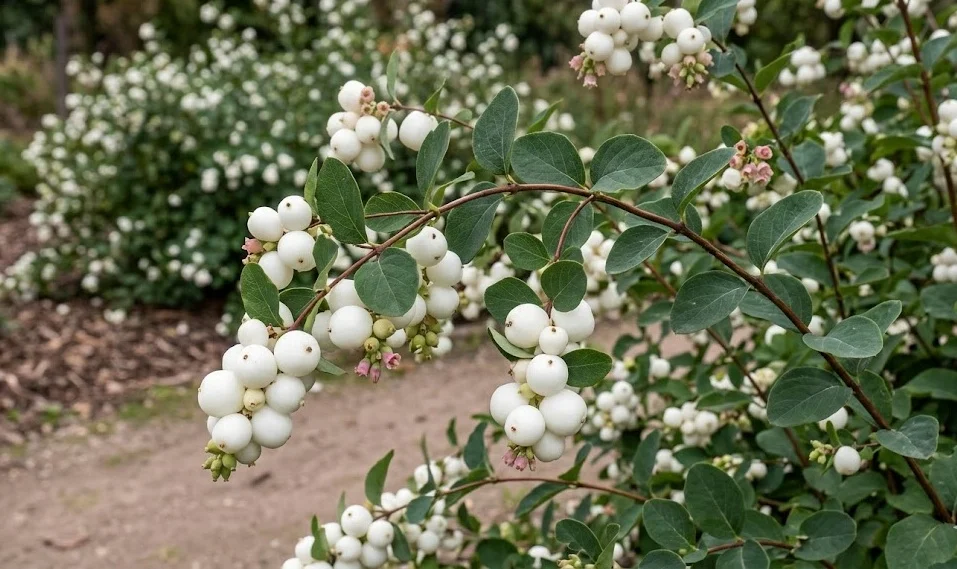

While the common snowberry is famously robust, it is not entirely immune to the challenges posed by various diseases and pests. In a professional gardening context, maintaining a healthy plantation requires a proactive approach to identifying and managing these potential threats before they cause significant damage. Understanding the specific vulnerabilities of this species allows for the implementation of targeted prevention and treatment strategies that preserve the plant’s aesthetic and ecological value. This article provides a professional overview of the most common issues encountered when cultivating this resilient shrub.
Early detection is the cornerstone of any successful pest and disease management program in an agricultural or horticultural setting. Professional gardeners make it a habit to regularly inspect the foliage, stems, and berries of the snowberry for any unusual signs or symptoms. Changes in leaf color, the presence of unusual spots, or visible insects are all indicators that the plant may be under stress. By catching these problems in their early stages, it is often possible to manage them using less aggressive and more environmentally friendly methods.
The environment in which the snowberry grows plays a significant role in its susceptibility to both fungal pathogens and insect infestations. Factors such as high humidity, poor air circulation, and improper watering can all create conditions that favor the spread of disease. A professional approach involves managing the landscape to minimize these risks through proper spacing, pruning, and irrigation practices. When a plant is healthy and grown in its ideal conditions, it is naturally more resistant to the many challenges it may face.
Treatment options should always be selected with a consideration for the overall health of the garden’s ecosystem and the long-term vitality of the shrub. In many cases, cultural controls and mechanical removals are sufficient for managing minor issues without the need for synthetic chemicals. However, when an outbreak is severe, a professional will choose the most effective and least harmful intervention available. This balanced approach ensures that the common snowberry remains a productive and beautiful part of the landscape for years to come.
Common fungal diseases and their management
Powdery mildew is perhaps the most frequent fungal issue encountered by those growing the common snowberry, particularly during humid summer months. It appears as a white, flour-like coating on the leaves and can cause the foliage to become distorted or drop prematurely if left untreated. Professionals manage this by ensuring there is adequate air movement around the shrubs and by avoiding overhead irrigation that leaves foliage wet. If necessary, horticultural oils or sulfur-based sprays can be used to control the spread of the fungus.
More articles on this topic
Anthracnose is another fungal disease that can affect the snowberry, causing small, dark spots on the leaves and sometimes impacting the developing fruit. This pathogen thrives in cool, wet spring weather and can lead to significant leaf drop if the conditions remain favorable for its growth. A professional approach involves removing and destroying infected leaves and debris to reduce the amount of overwintering fungal spores. Maintaining good garden hygiene is one of the most effective ways to prevent recurrent anthracnose infections in the landscape.
Root rot can occur in snowberry shrubs that are grown in soil with poor drainage or that are consistently over-watered by inexperienced gardeners. Symptoms include a general decline in the plant’s vigor, wilting that does not improve with watering, and a darkening of the tissues at the base of the stems. To manage root rot, a professional must first address the underlying drainage issues and may need to prune away affected roots and stems. In severe cases, replacing the plant and improving the site’s soil structure is the only viable long-term solution.
Rust is a less common but still significant fungal threat that manifests as orange or yellow pustules on the undersides of the snowberry’s leaves. Like many other fungi, it is spread by water splashes and wind, making it more prevalent during rainy seasons. Professional management involves identifying the specific conditions that led to the outbreak and using targeted fungicides if the infection becomes widespread. Keeping the area under the shrubs free of weeds and fallen leaves helps to break the life cycle of the rust fungus.
Identifying and controlling insect pests
Aphids are small, sap-sucking insects that are often found on the tender new growth of the common snowberry in the spring and early summer. Their feeding can cause the leaves to curl and become stunted, and they often excrete a sticky substance known as honeydew that attracts ants and sooty mold. Professionals often manage aphid populations by using a strong stream of water to knock them off the plants or by encouraging natural predators like ladybugs and lacewings. In most cases, the snowberry can tolerate a small number of aphids without suffering any long-term damage.
More articles on this topic
The snowberry clearwing moth is a unique insect whose larvae feed on the foliage of this species and its close relatives. While the adult moths are beautiful and resemble bumblebees, the caterpillars can consume a significant amount of leaf material if they are present in high numbers. Professional gardeners monitor for signs of chewing damage and may choose to manually remove the larvae if they are spotted on prized specimens. Generally, the plant is resilient enough to recover quickly from the moderate defoliation caused by these native insects.
Scale insects can occasionally be found on the woody stems of older snowberry shrubs, where they appear as small, immobile bumps. They feed on the plant’s juices and can weaken the branch over time, leading to dieback if the infestation is particularly heavy. A professional approach to scale management often involves the application of dormant oil during the winter to smother the overwintering insects. Pruning away and destroying heavily infested branches is another effective way to keep the population under control in the garden.
Spider mites are a common pest during hot, dry weather, and they can cause the foliage of the snowberry to take on a stippled or bronzed appearance. These tiny pests are often hard to see with the naked eye, but their presence is signaled by fine webbing between the leaves and stems. To combat spider mites, professionals focus on increasing the humidity around the plant and ensuring it is not suffering from drought stress. Horticultural soaps can also be an effective tool for managing outbreaks without harming the rest of the garden’s beneficial insect population.
Prevention through cultural and professional practices
The most effective way to manage pests and diseases is to prevent them from becoming a problem in the first place through sound horticultural practices. Providing the common snowberry with its ideal growing conditions—well-drained soil, appropriate light, and adequate spacing—is the best defense it has. A stressed plant is much more likely to fall victim to an opportunistic pathogen or insect than a healthy, vigorous one. Professionals understand that good care is the foundation of a successful integrated pest management program.
Proper pruning is another essential tool for maintaining plant health and reducing the risk of disease outbreaks. By thinning out the interior of the shrub, a professional can increase sunlight penetration and air circulation, making the environment less hospitable for fungi. Removing dead, damaged, or crossing branches also eliminates potential entry points for pathogens and pests. Pruning should always be done with clean, sharp tools to ensure the cuts heal quickly and cleanly without inviting further issues.
Sanitation is a critical but often overlooked aspect of professional garden maintenance that can significantly impact the health of the snowberry. Removing fallen leaves and fruit at the end of the season helps to eliminate the hiding places and overwintering sites for many common pests and diseases. If a plant has been infected, it is important to dispose of the removed material far away from healthy shrubs to prevent cross-contamination. This disciplined approach to cleanliness is a hallmark of a professionally managed landscape or agricultural site.
Using mulch not only benefits the plant’s moisture levels but can also act as a physical barrier against some soil-borne diseases. By preventing soil from splashing onto the lower leaves during rain or irrigation, mulch can reduce the spread of fungal spores. However, it is important to ensure the mulch itself is clean and of high quality to avoid introducing new problems to the site. A professional gardener knows how to use every tool at their disposal to create a resilient and healthy environment for their plants.
Organic and sustainable treatment interventions
When an intervention is necessary to protect the common snowberry, many professional gardeners prefer to use organic or sustainable treatment options first. These methods focus on minimizing the impact on the environment and protecting the beneficial insects that help to keep the garden in balance. Neem oil is a popular choice for managing a wide range of pests and some fungal issues due to its low toxicity and effectiveness. It works by disrupting the life cycle of the insects and providing a protective barrier against fungal spores.
Bacillus thuringiensis, or Bt, is a naturally occurring bacterium that can be used to specifically target the larvae of certain pests like the clearwing moth. It is highly effective and does not harm other animals, humans, or non-target insects, making it an ideal choice for a professional and ecological garden. Applying these types of biological controls requires an understanding of the pest’s life cycle to ensure the treatment is timed correctly for maximum impact. This knowledge-based approach is what defines professional excellence in the field of horticulture.
Insecticidal soaps and horticultural oils are other valuable tools for the professional gardener, working primarily through physical rather than chemical action. These products are used to smother soft-bodied insects like aphids and mites without leaving harmful residues in the environment. Because they have no residual effect, they must be applied directly to the pests to be effective, which requires a thorough and professional application technique. Using these targeted treatments allows the gardener to manage problems while maintaining the integrity of the local ecosystem.
Encouraging biodiversity within the garden is a long-term strategy for managing pests that is increasingly favored by professional landscape designers. By planting a variety of species that attract birds, predatory insects, and other beneficial fauna, you can create a self-regulating system where pests are kept in check naturally. The common snowberry itself is a great addition to such a garden, as it provides food and shelter for many of these helpful creatures. A professional view of pest management is one that sees the garden as a whole, rather than just a collection of individual plants.
Professional monitoring and long-term health
Maintaining a healthy snowberry plantation is an ongoing process that requires consistent monitoring and a willingness to adapt as the seasons change. A professional gardener keeps a record of any issues that arise and how they were treated, allowing for better prediction and prevention in future years. This historical data is invaluable for managing a large-scale landscape where subtle changes might otherwise go unnoticed. Professionalism involves being a student of the landscape and always looking for ways to improve the health of the plants.
As the shrubs age, they may become more or less susceptible to certain issues, requiring a shift in the management strategy. Regular rejuvenation pruning can help to keep the plants young and vigorous, which in turn helps them to resist many of the problems associated with older woody tissue. A professional knows when to step in with a more aggressive management plan and when to let the plant’s natural defenses do the work. This nuanced understanding is what ensures the long-term success of the common snowberry in any setting.
Education and staying informed about new pests and diseases is also a key part of professional responsibility in the horticultural field. New threats can emerge due to changes in climate or the introduction of invasive species, and being prepared for these challenges is essential. Sharing knowledge with other professionals and participating in local agricultural networks can help everyone to maintain healthier and more resilient landscapes. A commitment to professional development is a commitment to the health of the plants we care for.
Ultimately, the goal of managing diseases and pests in the common snowberry is to support a plant that is both beautiful and ecologically productive. By following professional guidelines and maintaining a high standard of care, you can enjoy the many benefits of this remarkable shrub without being overwhelmed by its challenges. Success in the garden is not about eliminating every insect or fungus, but about creating a balanced environment where the plants can truly thrive. With professional care, the common snowberry will continue to be a star of the garden for generations to come.