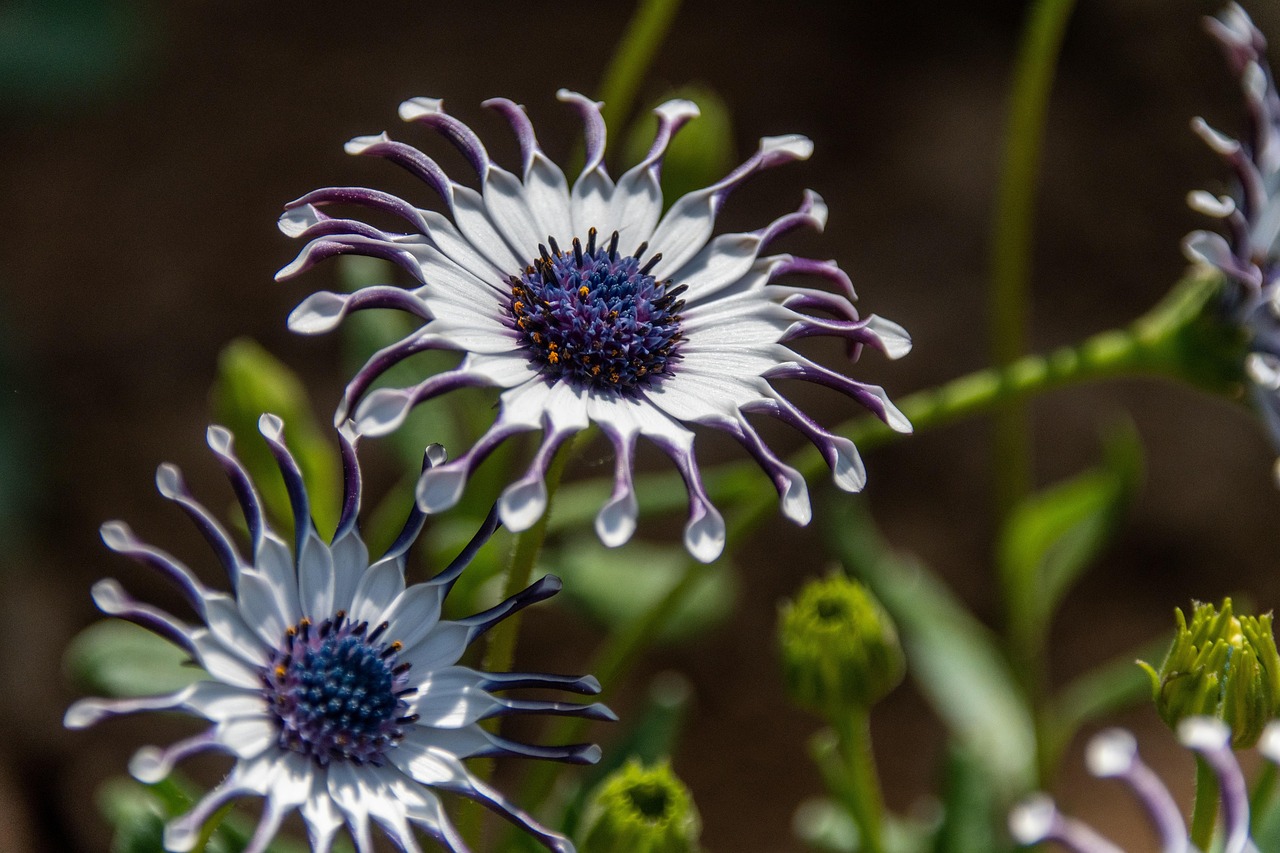

Maintaining the health of cape daisies requires a vigilant eye and a proactive strategy to combat various biological threats. While these plants are generally robust, they are susceptible to a specific range of fungal pathogens and insect pests that can compromise their beauty. Understanding the early symptoms of distress is the first step in preventing a minor issue from becoming a garden-wide epidemic. By combining good cultural practices with targeted interventions, you can protect your floral investment and ensure a successful growing season.
Fungal diseases are perhaps the most common challenge faced by gardeners cultivating these vibrant African flowers. Conditions such as powdery mildew often appear as a white, flour-like dusting on the surface of the leaves during humid weather. This fungus thrives in environments with poor air circulation and high moisture levels, particularly during the late summer months. If left untreated, it can cause the leaves to yellow, curl, and eventually drop prematurely, weakening the entire plant.
Gray mold, or Botrytis, is another significant fungal threat that typically targets the flowers and soft stem tissues. You may notice fuzzy, grayish-brown patches developing on the blossoms, especially after periods of heavy rain or high humidity. This pathogen can spread rapidly through a dense planting, causing the buds to rot before they even have a chance to open. Removing infected parts immediately and improving airflow around the plants are essential steps in managing this persistent issue.
Root rot is a devastating condition that often stems from poor drainage or excessive watering during cool periods. The symptoms usually start with a general wilting of the plant that does not improve after watering, followed by a darkening of the lower stems. If you were to inspect the roots, they would appear mushy and black instead of firm and white. Once root rot has taken a firm hold, it is often impossible to save the plant, making prevention the only viable strategy.
Combatting common insect pests
Aphids are small, soft-bodied insects that frequently colonize the tender new growth and flower buds of the cape daisy. These pests feed by sucking the nutrient-rich sap from the plant tissues, leading to distorted leaves and stunted growth. They also excrete a sticky substance known as honeydew, which can attract ants and encourage the growth of sooty mold. A strong stream of water from a garden hose can often dislodge small populations before they become a major problem.
More articles on this topic
Whiteflies are another sap-sucking pest that can be found congregating on the undersides of the leaves. When the plant is disturbed, these tiny white insects will fly up in a cloud, making them easy to identify. Their feeding habits cause the foliage to become mottled and yellow, and they can also transmit various plant viruses. Using yellow sticky traps or introducing natural predators like lacewings can help keep their numbers under control without resorting to harsh chemicals.
Spider mites are microscopic pests that thrive in hot, dry conditions where they can multiply with incredible speed. You might first notice fine, silken webbing between the stems or a characteristic stippling on the leaf surfaces. These mites drain the chlorophyll from the cells, leaving the plant looking bleached and lifeless in severe cases. Increasing the local humidity and ensuring the plants are well-hydrated can make the environment much less hospitable for these troublesome arachnids.
Thrips are tiny, slender insects that are notoriously difficult to see with the naked eye but leave behind significant damage. They feed on the developing flower petals, causing them to look scarred, silvered, or distorted when they finally open. Thrips are also known vectors for serious viral diseases that can permanently damage the genetic health of your daisy collection. Regular inspection of the flower centers and the use of blue sticky traps are effective ways to monitor and manage their presence.
Integrated pest management strategies
Adopting an integrated pest management (IPM) approach is the most professional and sustainable way to handle garden threats. This philosophy focuses on long-term prevention and uses chemical interventions only as a last resort when all other methods fail. Start by ensuring your plants are as healthy as possible, as a vigorous daisy is naturally more resistant to both pests and diseases. Proper spacing, correct watering, and balanced nutrition are your first and best lines of defense in any garden.
More articles on this topic
Encouraging biodiversity in your landscape can provide a natural system of checks and balances for common pests. By planting a variety of flowering species, you attract beneficial insects like ladybugs, hoverflies, and predatory wasps. These “garden heroes” will actively hunt and consume aphids, mites, and whiteflies, often keeping their populations below the threshold of damage. Creating a habitat that supports these natural enemies reduces your need for external inputs and fosters a healthier ecosystem.
Physical barriers and mechanical controls can be surprisingly effective for managing localized outbreaks of pests or diseases. For example, using a horticultural oil or insecticidal soap can suffocate soft-bodied insects without leaving toxic residues in the soil. Hand-picking larger pests or pruning out infected branches can often stop a problem in its tracks before it spreads to neighboring plants. These direct actions allow you to be precise in your management and minimize the impact on non-target species.
Sanitation is a critical but often overlooked component of a successful plant health program in a professional garden. You should always clean your pruning tools with a disinfectant between plants to prevent the accidental spread of pathogens. Clear away fallen leaves and spent flowers regularly, as these can provide a perfect breeding ground for fungal spores and overwintering insects. Maintaining a clean and tidy garden environment significantly lowers the overall pressure from pests and diseases throughout the year.
Identifying and managing viral threats
Viral diseases are particularly concerning because there are no effective chemical cures once a plant has become infected. Symptoms of a virus often include strange patterns on the leaves, such as mosaics, ring spots, or unnatural yellow streaking. You may also notice that the flowers have “broken” colors or that the entire plant is severely stunted and malformed. Because viruses are often spread by insects like aphids and thrips, controlling these vectors is the primary way to prevent infection.
If you suspect a plant is suffering from a viral infection, the most responsible course of action is to remove it entirely from the garden. Do not place the infected material in your compost pile, as the virus can sometimes survive the decomposition process and re-infect your soil. Instead, bag the plant and dispose of it with your regular household waste to eliminate the source of the pathogen. This “search and destroy” mission protects the rest of your healthy plants from a potentially devastating outbreak.
Purchasing your plants from reputable nurseries that prioritize clean stock is an essential preventive measure. Many commercial growers use tissue culture and rigorous testing to ensure their daisies are free from systemic viruses and bacteria. While these certified plants may be slightly more expensive, the peace of maturity and health they offer is well worth the investment. Starting with clean, high-quality material is the foundation of a professional-grade garden that will thrive for years.
Education and constant observation are your most powerful tools for maintaining a disease-free garden environment. Take the time to learn the specific symptoms of the most common threats in your region so you can act quickly at the first sign of trouble. Many gardening forums and local agricultural extensions offer excellent resources for identifying specific issues based on photos or descriptions. Being an informed gardener allows you to make calm, rational decisions that benefit the long-term health of your entire landscape.
Environmental stress and physiological disorders
Not all signs of distress in a cape daisy are caused by living organisms like fungi or insects. Often, the plant may show symptoms that are actually the result of environmental stress or physiological imbalances. For instance, “edema” occurs when the plant takes up water faster than it can transpire it, resulting in small, corky bumps on the leaves. This is usually a sign that the soil is too wet and the air is too humid, rather than a disease that requires treatment.
Leaf scorch can occur when the plants are suddenly moved from a shaded area into intense, direct sunlight without a period of acclimation. The leaves will develop bleached or brown patches where the sun has literally burned the delicate plant tissues. This is not a contagious condition, but it does reduce the plant’s ability to photosynthesize and can lead to secondary infections. Providing temporary shade and ensuring proper hydration can help the plant recover and produce healthy new growth.
Nutrient toxicities can be just as damaging as deficiencies and often present with confusing symptoms. An excess of certain minerals can interfere with the uptake of others, leading to a complex array of leaf discolorations and growth abnormalities. For example, too much phosphorus can cause a deficiency in zinc or iron, making the plant look sick even though it is over-fed. A professional soil test is the only way to accurately diagnose these chemical imbalances and correct them safely.
By understanding the full spectrum of potential problems, from pathogens to environmental stressors, you become a more effective garden steward. Consistent monitoring and a thoughtful response to the plant’s needs will prevent most major disasters from occurring. Remember that a few holes in a leaf or a slightly faded bloom are normal parts of a living garden ecosystem. Your goal should be to maintain a healthy balance that allows your cape daisies to shine while supporting a diverse range of life.