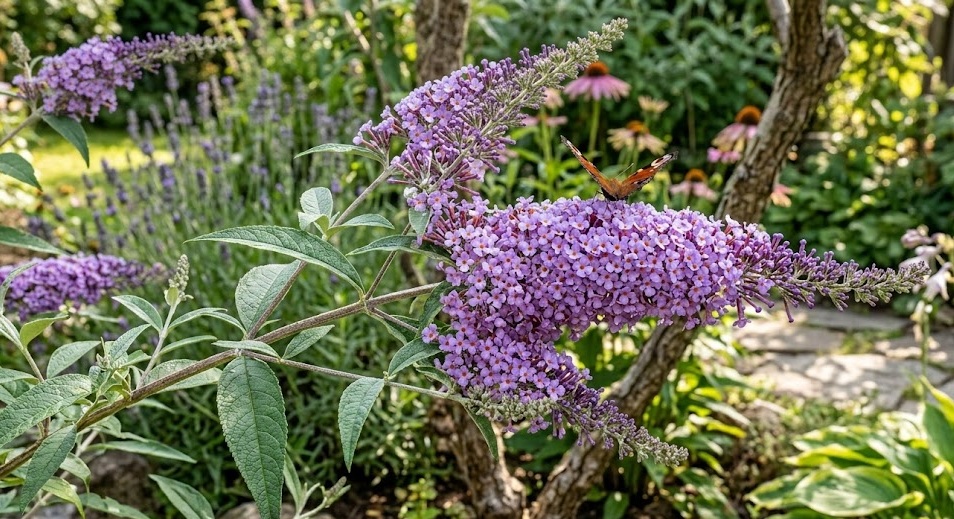

Maintaining the health of a butterfly bush requires a vigilant eye and a professional understanding of the various threats that can impact its vitality. While these shrubs are generally robust and resistant to many common garden problems, they are not entirely immune to the pressures of nature. Pests and diseases can occasionally find a foothold, especially when the plant is stressed by environmental factors or improper care. Identifying these issues early and implementing the correct management strategies is the best way to protect your investment and ensure a long-lasting floral display.
Identifying common fungal infections
Fungal diseases are perhaps the most frequent health issues encountered by butterfly bush owners, often triggered by excessive moisture. Powdery mildew is a classic example, appearing as a white, dusty coating on the surface of the leaves during humid weather. While it rarely kills the plant, it can significantly detract from its beauty and interfere with the plant’s ability to photosynthesize. Improving air circulation around the shrub is often the first and most effective step in managing this persistent fungal problem.
Downy mildew is another concern that can be more damaging than its powdery counterpart, often leading to leaf discoloration and drop. You might notice yellow or purple spots on the upper surface of the leaves, with a fuzzy growth appearing on the underside. This fungus thrives in cool, wet conditions and can spread rapidly if the foliage remains damp for extended periods. Pruning away affected branches and avoiding overhead watering can help keep this disease from taking over the entire canopy of your shrub.
Root rot is a much more serious condition that usually stems from planting the bush in poorly draining soil or overwatering. The symptoms are often deceptive, as the plant may appear to be wilting even though the soil is soaking wet. Since the roots are literally suffocating or being consumed by fungi, the plant can no longer transport water and nutrients to the branches. Once root rot has progressed to a certain point, the plant is often impossible to save, making prevention through proper site selection absolutely critical.
To manage fungal issues professionally, you should always practice good garden hygiene by removing and destroying any infected plant material. Do not compost diseased leaves or branches, as the spores can survive the composting process and return to your garden later. If a fungal problem becomes persistent, you might consider using an appropriate fungicide as a preventative measure during the most vulnerable times of the year. However, cultural controls like proper spacing and watering are always your first line of defense against these microscopic threats.
More articles on this topic
Sap-sucking pests and foliage damage
Spider mites are among the most common pests that target the butterfly bush, especially during the hot, dry stretches of mid-summer. These tiny arachnids are difficult to see with the naked eye, but their presence is revealed by a fine stippling or yellowing of the leaves. If the infestation is severe, you may even notice delicate webbing between the stems or on the undersides of the foliage. Mites thrive in dusty conditions, so keeping the plant well-hydrated and occasionally rinsing the leaves with water can help keep their populations in check.
Aphids are another frequent visitor to the tender new growth of the butterfly bush in early spring. These small, soft-bodied insects cluster around the tips of the stems and the developing flower buds, sucking the nutrient-rich sap. This can cause the leaves to curl or become distorted, and the sticky “honeydew” they excrete can lead to the growth of black sooty mold. Fortunately, aphids have many natural predators, such as ladybugs and lacewings, which often handle the problem without any need for human intervention.
Scale insects can occasionally become an issue on the older, woodier stems of a mature butterfly bush. These pests look like small, immobile bumps on the bark and can be difficult to identify as living organisms at first glance. Like aphids, they feed on the sap of the plant and can weaken it over time if their numbers become large enough to clog the vascular system. Horticultural oils or insecticidal soaps are often effective treatments for scale, provided they are applied during the correct stage of the insect’s lifecycle.
Japanese beetles are a more visible threat that can quickly skeletonize the leaves of your shrub during their peak activity in the summer. These metallic green beetles feed in groups and can cause significant aesthetic damage in a very short period of time. While a healthy butterfly bush can usually survive some defoliation, a heavy attack can stress the plant and reduce its flowering potential. Hand-picking the beetles in the morning when they are sluggish is a simple and effective way to manage small infestations in a residential garden.
More articles on this topic
Bacterial and viral threats
While less common than fungal or insect problems, bacterial infections can occasionally strike a butterfly bush with devastating results. Bacterial leaf spot appears as dark, water-soaked lesions that may eventually turn brown and fall out, leaving “shot-holes” in the leaves. This pathogen is often spread by splashing rain or contaminated garden tools, making cleanliness a vital part of your maintenance routine. There are no effective cures for most bacterial infections, so removing the affected parts and improving the environment is the standard professional approach.
Viral diseases are fortunately quite rare in butterfly bushes, but they can be introduced by sap-sucking insects like aphids. A virus can cause a variety of symptoms, including mottled or streaked leaves, stunted growth, and strangely shaped flowers. Because viruses live inside the plant’s cells, there is no way to treat an infected shrub once the symptoms appear. If you suspect a viral infection, the best course of action is to remove the entire plant to prevent the disease from spreading to the rest of your garden.
Cankers are localized areas of dead tissue on the stems or branches that can be caused by either bacteria or fungi. These often appear as sunken or discolored patches on the bark and can eventually girdle the stem, causing everything above the point to die. Cankers often enter the plant through wounds caused by improper pruning or physical damage from lawn equipment. To manage them, you should prune back into healthy wood well below the affected area, making sure to sterilize your tools between every cut.
Environmental factors can sometimes mimic the symptoms of a disease, leading to a “physiological” disorder. For example, edge-browning of the leaves can be caused by windburn or salt spray in coastal areas rather than a pathogen. Nutrient imbalances, as discussed previously, can also cause discolorations that might be mistaken for a viral or fungal infection. A professional diagnosis always considers the entire context of the plant’s environment before deciding on a course of treatment for any suspected disease.
Integrated pest management strategies
Adopting an Integrated Pest Management (IPM) approach is the most professional way to handle any health issues in your garden. This strategy focuses on long-term prevention and uses the least toxic methods first to minimize the impact on the environment. For a butterfly bush, this means starting with proper site selection and maintenance to ensure the plant is as healthy as possible. A vigorous plant is naturally better equipped to resist pests and diseases than one that is struggling with poor soil or incorrect light.
Regular monitoring is the cornerstone of any successful IPM program, allowing you to catch problems while they are still small and manageable. You should make it a habit to inspect the undersides of the leaves and the interior of the canopy once a week during the growing season. Early detection of a few aphids or a small patch of mildew is much easier to resolve than a full-blown infestation. By being observant, you can often solve the problem with simple mechanical methods like a strong blast of water or minor pruning.
Encouraging beneficial insects and natural predators is another key component of a professional and sustainable garden. Ladybugs, parasitic wasps, and hoverflies are all natural allies that will help keep pest populations under control for you. By avoiding broad-spectrum pesticides that kill both good and bad bugs, you allow these natural checks and balances to function effectively. A garden that supports a diverse range of life is inherently more stable and requires less chemical intervention over the long term.
When chemical treatments are necessary, you should always choose products that are specific to the problem you are trying to solve. For example, neem oil or insecticidal soap are excellent choices for many common pests while being relatively safe for the environment. Always read the label carefully and apply the product during the coolest part of the day to avoid damaging the plant’s foliage. Using chemicals as a last resort rather than a first response is the hallmark of a professional and responsible gardener who cares about the ecosystem.
Prevention through proper maintenance
Prevention is always more effective and less expensive than treating a disease or pest infestation after it has started. Many common problems can be avoided simply by providing your butterfly bush with the correct amount of space and air circulation. Crowded plants trap moisture and create the perfect microclimate for fungal spores to germinate and spread. By thinning out the branches and keeping the center of the shrub open, you create an environment that is hostile to many diseases.
Proper watering techniques also play a massive role in preventing foliage diseases like mildew and leaf spot. You should always aim to water the soil at the base of the plant rather than spraying the leaves with a hose or sprinkler. If you must use overhead irrigation, do so early in the morning so the sun can dry the leaves quickly during the day. Keeping the foliage dry for as much of the time as possible is the single best way to minimize fungal pressure on your shrub.
Sanitation is another critical aspect of prevention that is often overlooked by casual gardeners. At the end of the season, you should clear away any fallen leaves or spent flower spikes that might harbor pests or disease spores over the winter. If you had a specific problem during the year, being extra thorough with your cleanup will reduce the chances of it returning in the spring. Sterilizing your pruning shears with alcohol between plants also prevents the accidental transfer of pathogens from one shrub to another.
Finally, remember that the overall health and vigor of your butterfly bush are its best defense against any external threats. Providing the right nutrients, maintaining consistent moisture, and choosing the perfect location all contribute to a strong immune system. When a plant is thriving in its environment, it can often tolerate a small amount of pest damage or a minor infection without any lasting harm. Your professional commitment to quality care is the most important factor in keeping your garden beautiful and disease-free year after year.