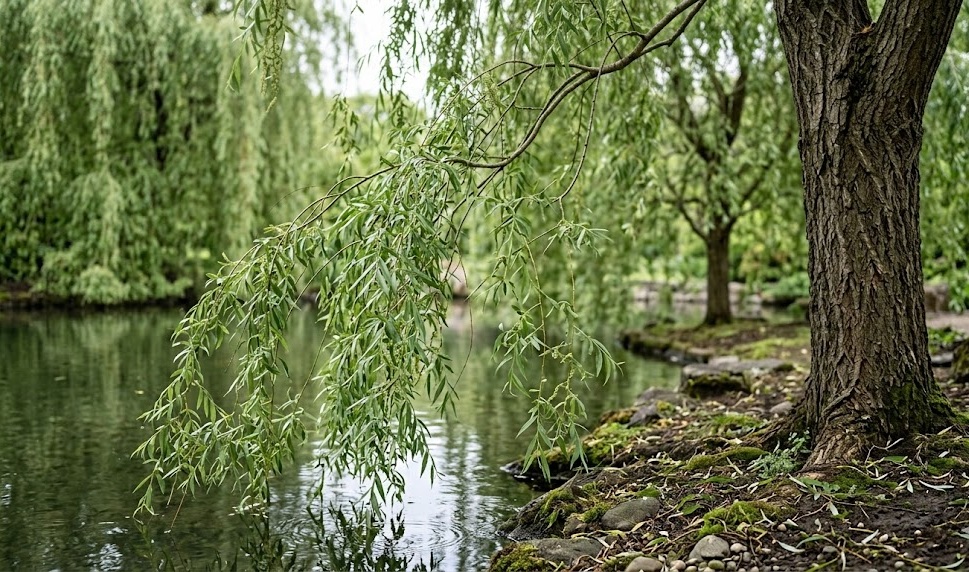

While the weeping willow is a hardy and fast-growing species, it is unfortunately susceptible to a wide variety of biological threats that can compromise its health. You must be vigilant in identifying the early symptoms of fungal infections, bacterial cankers, and insect infestations that commonly plague these trees. Many of these issues are exacerbated by environmental stress, particularly a lack of water or physical damage to the bark. Understanding how to manage these threats through both prevention and targeted treatment is essential for any long-term willow care strategy.
Fungal diseases are perhaps the most common problem you will encounter when growing a willow in a humid or wet climate. Willow scab and black canker often work together to cause “willow blight,” which can lead to significant leaf drop and branch dieback. You will notice small, dark spots appearing on the leaves, followed by a rapid browning and wilting of the foliage in the early spring. These fungi overwinter in fallen leaves and infected twigs, making sanitation a critical part of your prevention efforts.
Cercospora leaf spot is another fungal issue that can detract from the beauty of your tree, though it is usually less lethal than blight. You should look for circular spots with grayish centers and dark borders appearing on the leaves during the mid-to-late summer. While a minor infection won’t kill a mature tree, it can weaken it over time and make it more vulnerable to other stressors. Improving air circulation by thinning the canopy can help reduce the humidity that allows these fungi to thrive.
Powdery mildew is a very recognizable fungal infection that creates a white, dusty coating on the surface of the leaves. You will find that this issue is most prevalent during periods of warm days and cool, damp nights in late summer or autumn. It rarely causes permanent damage to a healthy willow, but it can be unsightly and slightly reduce the tree’s photosynthetic capacity. Avoid watering the foliage directly, as wet leaves are the primary entry point for mildew spores to take hold.
Identifying and managing destructive insects
The willow is a favorite host for several types of insects that feed on its leaves, bark, and even the wood itself. Aphids are a common nuisance, appearing in large clusters on the undersides of leaves and on tender new shoots. They suck the sap from the tree, which can cause leaf curling and the production of “honeydew,” a sticky substance that attracts ants and promotes sooty mold. You can often manage a small aphid population by simply blasting them off the tree with a strong stream of water from a garden hose.
More articles on this topic
Scale insects are more difficult to spot, as they often look like small, immobile bumps on the twigs and branches rather than living bugs. These pests also feed on the tree’s fluids and can cause significant weakening if their population is allowed to explode. You may notice that certain branches start to look sickly or lose their leaves prematurely when scale is present. Applying horticultural oil during the dormant season is an effective way to smother these pests without using harsh chemical insecticides.
The willow leaf beetle is a more aggressive pest that can quickly skeletonize the foliage of a young tree. You will see both the adult beetles and their larvae feeding on the leaves, leaving behind only the veins and a brown, scorched appearance. While a large, healthy tree can usually survive a single defoliation event, repeated attacks will severely stunt its growth and may eventually lead to death. You should monitor the tree closely in the late spring and early summer for the appearance of these metallic blue or green beetles.
Perhaps the most dangerous pests are the wood-borers, such as the poplar-and-willow borer, which tunnel into the trunk and main limbs. You might notice small holes in the bark, often accompanied by “frass,” which looks like sawdust pushed out of the tunnels. Borers compromise the structural integrity of the tree and can disrupt the flow of nutrients and water through the vascular system. Once these insects are deep inside the wood, they are very difficult to treat, making prevention through good bark health absolutely vital.
Bacterial cankers and structural decay
Bacterial diseases, such as crown gall, can cause permanent and unsightly damage to the base of the willow or its roots. You will see large, woody swellings or “galls” forming where the bacteria have infected the tree through wounds in the bark. While these galls are not always fatal, they can restrict the movement of water and nutrients, leading to a general decline in vigor. You should avoid wounding the tree with lawn equipment and always sterilize your pruning tools after working on an infected specimen.
More articles on this topic
Cytospora canker is another serious issue that often attacks willows that are already stressed by drought or poor soil conditions. You will notice sunken, discolored areas on the bark of the branches or the main trunk, often accompanied by the oozing of sap. This disease effectively girdles the infected limb, causing everything beyond the canker to die off quite rapidly. The best defense against canker is to keep your willow well-watered and healthy so its natural immune system can fight off the infection.
Wetwood or “slime flux” is a common bacterial condition that causes a foul-smelling liquid to seep from cracks or wounds in the trunk. While it looks alarming, it is often a chronic condition that a tree can live with for many years without significant ill effects. The fermented sap can sometimes kill the bark it flows over, so you should keep the area as clean and dry as possible. There is no real cure for slime flux, but maintaining the tree’s overall strength will help it manage the internal pressure caused by the bacteria.
Root rot can be a silent killer for willows planted in areas with poor drainage or stagnant water that lacks oxygen. You may notice the canopy thinning and the leaves turning yellow, even if the tree is receiving what seems like an adequate amount of water. By the time the symptoms are visible above ground, the root system may already be severely compromised by fungal pathogens like Phytophthora. Ensuring that there is some movement in the soil water and avoiding over-compaction are the best ways to prevent this deadly condition.
Integrated pest management strategies
A professional approach to tree health focuses on integrated pest management (IPM), which prioritizes cultural and biological controls over chemical ones. You should start by ensuring your willow has the best possible growing conditions, as a healthy tree is much less attractive to pests. Regular monitoring allows you to catch problems early when they are still manageable with simple, low-impact interventions. This proactive mindset is the most effective way to protect your landscape investment without harming the environment.
Encouraging natural predators, such as ladybugs, lacewings, and birds, can help keep aphid and beetle populations under control. You can do this by planting a diverse range of flowering plants nearby that provide nectar and shelter for these beneficial organisms. Avoiding the use of broad-spectrum insecticides is crucial, as these chemicals often kill the predators along with the pests. A balanced garden ecosystem is a self-regulating system that requires much less work from the gardener in the long run.
When chemical treatments are necessary, you should choose targeted products that have the least impact on non-target species. Horticultural soaps and oils are excellent choices for many common willow pests and are relatively safe for the environment. If you must use a systemic insecticide for borers or scale, follow the application instructions precisely to ensure effectiveness and safety. Always consider the timing of the application to avoid harming pollinators like bees that may visit the tree.
Sanitation is one of the simplest yet most overlooked aspects of disease management in the garden. You should rake up and destroy all fallen leaves and twigs from an infected tree at the end of every growing season. This removes the source of spores and eggs that would otherwise restart the infection cycle the following spring. Keeping the area under the tree clean and free of debris is a low-cost way to significantly improve the health of your weeping willow.
Long-term monitoring and professional consultation
As your willow grows larger, it becomes more difficult for a home gardener to inspect the entire canopy for signs of trouble. You should use binoculars to check the higher branches for discolored leaves, unusual growth patterns, or signs of borer entry. Paying attention to the timing of the tree’s leaf-out and leaf-drop can also provide clues about its internal health. Any sudden change in the tree’s appearance or behavior should be investigated immediately to rule out serious disease or pest issues.
Professional arborists have the tools and expertise to diagnose complex problems that may not be obvious to the untrained eye. They can perform deep-root fertilization, trunk injections, and structural pruning that go beyond the capabilities of a typical homeowner. If you suspect your tree has a serious borer infestation or a dangerous fungal canker, it is worth the investment to get an expert opinion. An early diagnosis can often mean the difference between saving a magnificent tree and having to remove it.
You should also stay informed about any new or emerging pests in your region that might pose a threat to willow trees. Invasive species can sometimes move into an area and cause widespread damage before local gardeners are even aware of their presence. Checking with your local agricultural extension office or gardening club can provide you with up-to-date information on what to look for. Being part of a community of informed plant lovers is a great way to protect your own garden.
Ultimately, the health of your weeping willow is a reflection of your commitment to observation and care. While pests and diseases are a natural part of any garden, they do not have to be a death sentence for your trees. By providing the right environment and staying vigilant, you can manage these threats and enjoy the beauty of your willow for many years. Your role as a caretaker is to support the tree’s natural resilience and step in only when truly necessary.