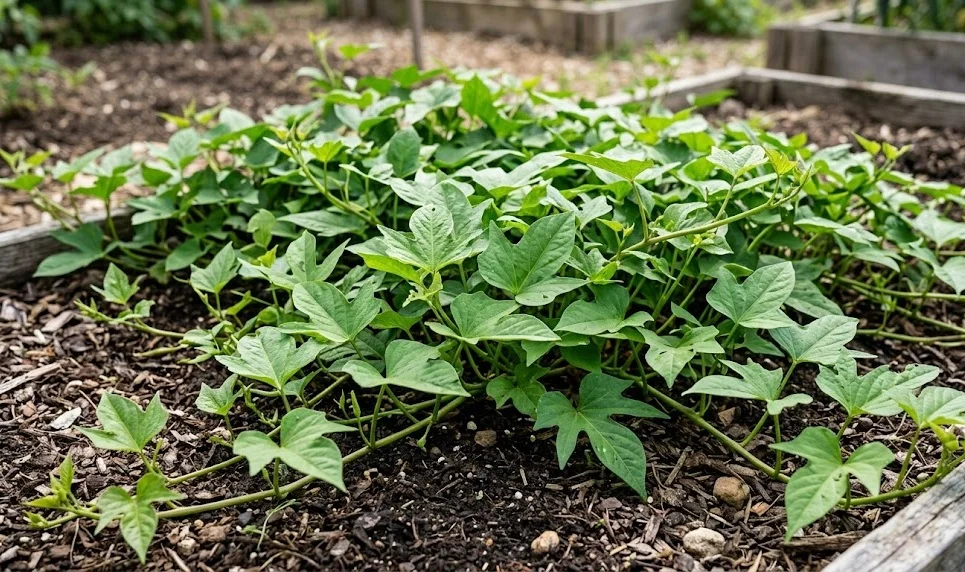

Protecting your sweet potato crop from diseases and pests is an ongoing challenge that requires a vigilant eye and a proactive management strategy. While these plants are generally robust, they can fall victim to several specific pathogens and insects that can significantly reduce your harvest or ruin the quality of the tubers. By understanding the life cycles of these common threats, you can implement preventative measures that minimize the need for harsh chemical interventions. A healthy garden starts with a strong defense and a commitment to maintaining a balanced ecosystem for all your plants.
Fungal diseases are perhaps the most common issues you will encounter, especially in regions with high humidity or heavy summer rainfall. Soil-borne fungi can attack the roots and stems, leading to wilting, rot, and a general decline in the plant’s vigor over time. You might notice dark, sunken lesions on the tubers or a white, fuzzy growth at the base of the vines during particularly wet periods. Improving soil drainage and ensuring adequate spacing between plants are the two most effective ways to reduce the impact of these fungal pathogens.
Viral diseases are another significant concern, as they can be transmitted by insects like aphids or by using infected propagation material. Signs of a viral infection often include mottled or crinkled leaves, stunted growth, and a noticeable decrease in the overall size of the potato crop. Unfortunately, there are no easy cures for plant viruses, so the focus must be entirely on prevention and early detection. Starting with certified disease-free slips and managing the insect populations in your garden are your best lines of defense against these invisible threats.
Regularly scouting your garden and removing any suspicious-looking plants is a critical part of a professional disease management plan. You should avoid composting any material that shows signs of serious disease, as many pathogens can survive the composting process and return to your garden the following year. Instead, dispose of infected vines and tubers away from your growing area to break the cycle of infection. Being disciplined about garden sanitation is a small investment of time that pays huge dividends in the long-term health of your soil and your crops.
Common insect pests and their management
Sweet potatoes are attractive to several types of insects, ranging from leaf-eating beetles to root-boring larvae that hide beneath the soil. Flea beetles are often the first to arrive, leaving tiny “shotholes” in the leaves that can weaken young transplants if the infestation is severe. While mature plants can usually tolerate a fair amount of leaf damage, you should keep an eye on the population levels to ensure they don’t get out of hand. A light dusting of diatomaceous earth or the use of neem oil can help manage these small but persistent pests without harming the environment.
More articles on this topic
The sweet potato weevil is arguably the most destructive pest of this crop, as its larvae tunnel directly into the tubers, leaving them bitter and inedible. You might see the adult weevils, which look like large ants with long snouts, crawling on the vines during the early morning or evening hours. To prevent weevil damage, it is essential to keep the soil mounds well-covered and to avoid leaving harvested potatoes in the field for any length of time. Crop rotation and the removal of wild host plants in the surrounding area are also key components of an effective weevil management strategy.
Aphids and whiteflies are common sucking insects that can not only weaken the vines but also transmit dangerous plant viruses between different garden beds. You will often find these pests clustered on the undersides of the leaves or on the tender new growth at the tips of the vines. A strong blast of water from a garden hose is often enough to dislodge them and disrupt their feeding cycles temporarily. For more persistent problems, insecticidal soaps or horticultural oils provide an effective and relatively safe way to keep these sap-sucking insects in check.
Wireworms and grubs are soil-dwelling larvae that feed on the developing tubers, creating unsightly holes and paths through the sweet potatoes. These pests are often more prevalent in garden beds that were recently converted from sod or grass, as they thrive in the undisturbed root systems of lawn plants. Tilling the soil thoroughly before planting can help expose these larvae to birds and other natural predators, significantly reducing their numbers. Maintaining a clean garden free of excess debris and old plant material also helps limit the breeding grounds for these underground nuisances.
Fungal pathogens and root rot
Root rot and stem canker are caused by various fungal species that thrive in cool, overly saturated soil conditions during the beginning or end of the season. You should be concerned if you see the base of the vines turning black or mushy, as this usually indicates that the vascular system of the plant is being compromised. If the infection reaches the tubers, they will quickly develop a foul odor and start to decompose in the ground. Choosing a well-drained planting site and avoiding over-watering are the most critical steps in preventing these devastating fungal outbreaks.
More articles on this topic
Fusarium wilt is another serious fungal threat that causes the leaves to turn yellow and the entire vine to wilt, often starting on just one side of the plant. This pathogen lives in the soil for many years and enters the plant through the roots, slowly clogging the water-conducting tissues and killing the foliage. There are several resistant varieties of sweet potatoes available, and choosing these can make a huge difference if you have a history of fusarium in your garden. Rotating your crops so that you don’t plant sweet potatoes in the same spot for at least three years is also highly recommended.
Black rot is a fungal disease that creates circular, sunken black spots on the surface of the tubers, making them taste bitter and unappealing. This disease can spread rapidly in storage, so it is vital to inspect your harvest carefully and discard any potatoes that show even small signs of infection. Practicing good tool hygiene by cleaning your shovels and crates with a mild bleach solution can help prevent the spread of black rot between different garden areas. Ensuring that your curing and storage conditions are optimal will also help prevent any latent fungal spores from becoming active.
Scurf is a relatively minor fungal issue that causes a dark brown or black discoloration on the skin of the sweet potatoes but does not affect the interior flesh. While primarily a cosmetic problem, it can reduce the marketability and visual appeal of your home-grown crop for those who take pride in their gardening results. Scurf is often introduced through infected slips or by planting in soil that has been heavily amended with uncomposted animal manures. Using clean propagation material and well-rotted compost are the best ways to ensure your potatoes come out of the ground looking clean and healthy.
Integrated Pest Management (IPM) strategies
Integrated Pest Management, or IPM, is a holistic approach that combines biological, cultural, and physical controls to manage garden pests with minimal environmental impact. The first step in any IPM plan is regular monitoring to understand which pests are present and at what levels they are causing actual damage. You should learn to distinguish between the “bad” bugs and the “good” bugs, such as ladybugs, spiders, and predatory wasps, which provide free pest control services. A diverse garden that includes flowering herbs and native plants will attract these beneficial insects and help keep the ecosystem in balance.
Cultural controls involve changing your gardening practices to make the environment less hospitable for pests and diseases. This includes things like choosing resistant varieties, practicing strict crop rotation, and timing your planting to avoid peak insect activity periods. Maintaining the health and vigor of your sweet potatoes through proper watering and fertilization is also a form of cultural control, as healthy plants are much better able to survive minor pest attacks. Simple changes in how you manage your garden can have a profound effect on the overall success of your pest management efforts.
Physical controls are the direct actions you take to exclude or remove pests from your garden beds without using chemicals. Row covers are a fantastic tool for protecting young transplants from flea beetles and other flying insects during their most vulnerable weeks. Hand-picking larger pests like hornworms or weevils and dropping them into a bucket of soapy water is a simple and effective way to manage small infestations. These physical methods are safe for your family and the environment, making them an ideal choice for the home gardener who wants to grow food responsibly.
Chemical controls should be viewed as a last resort in an IPM system, to be used only when other methods have failed and the crop is at risk of significant loss. If you do choose to use a pesticide, opt for organic products like neem oil, Spinosad, or insecticidal soaps, which have a lower impact on non-target species. Always read and follow the label instructions carefully to ensure the product is used safely and effectively at the correct dosage. By following an IPM framework, you can protect your sweet potatoes while also supporting the long-term health and biodiversity of your garden.
Prevention through garden sanitation
Maintaining a clean and organized garden is one of the most effective ways to prevent the buildup of pests and diseases over several growing seasons. You should make it a habit to remove all crop residues, including fallen leaves and old vines, immediately after the harvest is complete. Many insects and pathogens overwinter in this leftover plant material, waiting for the warm weather of spring to start a new cycle of infection. Clearing the beds and either composting or disposing of the debris properly will significantly reduce the pressure on your next crop.
Tool hygiene is another critical aspect of garden sanitation that is often overlooked by even experienced gardeners. You should clean and disinfect your pruning shears, trowels, and harvesting forks regularly, especially after working with plants that appear unhealthy. A simple dip in a ten percent bleach solution or a thorough wipe with rubbing alcohol is enough to kill most lingering fungi and bacteria. Preventing the accidental transfer of pathogens from one part of the yard to another is a simple way to keep your entire property healthier.
Managing the perimeter of your garden bed is just as important as caring for the plants themselves, as many pests live in the tall grass and weeds nearby. Keeping the paths around your sweet potato patch mowed and free of debris removes hiding spots for rodents and insects that might otherwise move into your crop. You should also be careful not to introduce outside soil or mulch from unknown sources, as these can contain dormant seeds, larvae, or fungal spores. Being mindful of everything you bring into your growing space is a key part of maintaining a “clean” garden environment.
Finally, take the time to inspect any new plants or slips thoroughly before you introduce them to your garden soil. If you notice any signs of disease or pest activity on your purchased plants, it is much better to return them or dispose of them than to risk infecting your entire garden. Many problems are accidentally introduced by gardeners who are eager to get started and fail to notice a small issue until it has become a major infestation. By practicing strict sanitation and quarantine procedures, you can enjoy a more productive and stress-free gardening experience every year.