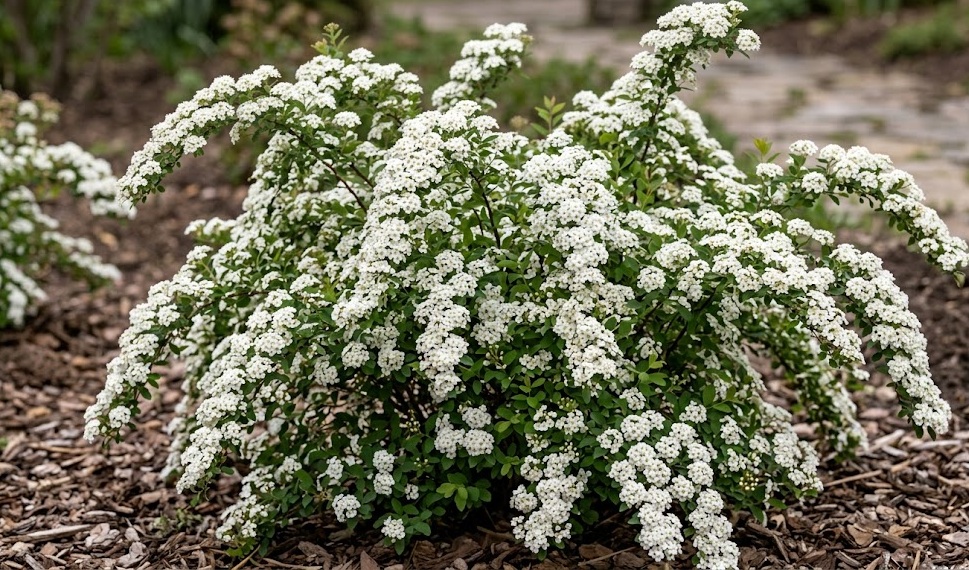

Diseases and pests of spiraea can occasionally disrupt the health and beauty of these otherwise hardy shrubs if they are not managed properly. While these plants are generally quite resistant to most common issues, environmental stress can sometimes leave them vulnerable to opportunistic pathogens or insects. A proactive approach to plant health is the best defense against these problems, as a vigorous plant can often recover quickly on its own. Understanding what to look for and how to respond is a key part of professional garden maintenance.
Early detection is absolutely critical for preventing a minor problem from turning into a major infestation or disease outbreak. You should make it a habit to inspect your shrubs regularly, paying close attention to the undersides of leaves and the junctions of branches. Many issues start in small, hidden areas before spreading to the rest of the plant or to neighboring species in your garden. By identifying the signs of trouble early, you can often use simpler and more environmentally friendly solutions to fix them.
Environmental conditions often play a significant role in the development of various plant health issues throughout the growing season. High humidity, poor air circulation, and improper watering techniques can all create a hospitable environment for unwanted organisms. By optimizing the growing conditions for your shrubs, you are naturally discouraging these problems from taking hold in the first place. Professional gardening is as much about prevention and environmental management as it is about direct treatment.
When you do encounter a problem, it is important to accurately identify the cause before taking any corrective action. Using the wrong treatment can sometimes do more harm than good or may simply be a waste of your time and resources. There are many professional resources available to help you diagnose plant health issues, from local extension offices to detailed horticultural guides. Once you have a clear understanding of the situation, you can implement a targeted and effective management plan.
Identifying common pathogens
Fungal pathogens are among the most common issues you might encounter when growing these ornamental shrubs in your landscape. Powdery mildew is perhaps the most recognizable, appearing as a white, dusty coating on the leaves and stems during humid weather. While it is rarely fatal, it can significantly detract from the appearance of the plant and reduce its overall vigor over time. Identifying this early allows you to take steps to improve air circulation and reduce the moisture levels around the foliage.
More articles on this topic
Leaf spot is another fungal condition that can manifest as small, dark circles on the foliage, often with a yellow halo. This typically occurs during periods of wet weather when water stays on the leaves for extended periods of time. If left unchecked, these spots can merge and cause the leaves to drop prematurely, weakening the plant’s ability to produce energy. Keeping the area under the shrub clear of fallen debris is a simple professional practice that helps reduce the source of these fungal spores.
Bacterial issues can sometimes affect these plants, although they are generally less common than fungal infections in most garden settings. One example is fire blight, which can cause the tips of the branches to turn black and curl over, looking as though they have been scorched. This is a more serious condition that requires prompt action to prevent it from spreading through the entire plant or to other susceptible species. Recognizing the characteristic “shepherd’s crook” shape of the affected branches is key to a quick diagnosis.
Root rot is a hidden issue that usually stems from overly wet soil conditions and poor drainage in the garden bed. Symptoms often include a general decline in the plant’s health, such as yellowing leaves and a lack of new growth, even when water is plentiful. Because the problem is underground, it can be difficult to diagnose until it is quite advanced and the root system is severely compromised. A professional gardener always considers the soil environment first when a plant shows signs of systemic distress.
Bacterial and fungal issues
Managing fungal issues often involves a combination of cultural practices and, if necessary, targeted treatments to reduce the pathogen population. Improving air circulation by properly spacing your plants and thinning out dense growth is one of the most effective preventative measures. You should also avoid overhead watering, which keeps the foliage wet and provides the perfect environment for fungal spores to germinate. If a fungal problem persists, there are several professional-grade fungicides available that can help bring the situation under control.
More articles on this topic
When dealing with bacterial issues like fire blight, the primary management strategy is the removal of infected wood as soon as it is noticed. You should prune back several inches into healthy wood to ensure that all of the bacteria have been removed from the stem. It is essential to sterilize your pruning tools between every single cut to prevent accidentally spreading the bacteria to healthy parts of the plant. This level of hygiene is a standard professional protocol when dealing with highly contagious plant diseases.
Some fungal issues are more persistent and may require a multi-year management plan to fully eradicate them from your garden. Consistently removing and destroying any infected plant material at the end of the season can significantly reduce the number of spores that overwinter. This breaks the cycle of infection and makes it much easier to maintain a healthy garden in the following spring. Professional-grade care involves thinking about the long-term health of the entire ecosystem rather than just quick fixes.
Natural resistance varies between different species and cultivars, so choosing the right plant for your specific climate can prevent many issues. Some modern varieties have been specifically bred for their resistance to common problems like powdery mildew. If you have a history of certain issues in your garden, it is wise to select these improved varieties for your future plantings. Investing in resilient genetics is a smart professional move that saves time and effort in the long run.
Managing insect infestations
Aphids are small, soft-bodied insects that can sometimes be found clustering on the tender new growth and the undersides of leaves. They feed by sucking the sap from the plant, which can cause the leaves to curl and become distorted if the population is high. While a few aphids are rarely a major concern, they can produce a sticky substance called honeydew that encourages the growth of sooty mold. Monitoring your plants in the spring when new growth is most abundant is the best way to catch these pests early.
Spider mites are another common pest that thrives in hot, dry conditions and can be difficult to see with the naked eye. You might first notice a fine webbing on the stems or a stippled, dusty appearance on the surface of the leaves. These tiny arachnids can multiply very quickly during a heatwave, so it is important to respond as soon as you suspect their presence. A strong blast of water from a garden hose can often be enough to knock them off the plant and disrupt their life cycle.
Scale insects are less mobile and can often look like small bumps or crusty patches on the stems and branches of the shrub. They protect themselves with a hard outer shell, which makes them more resistant to many common contact treatments. If left unmanaged, a heavy infestation of scale can sap the strength of the plant and lead to significant dieback in the branches. Professional management often involve using horticultural oils that work by smothering the insects and their eggs.
Japanese beetles can be a significant nuisance in some regions, skeletonizing the leaves and feeding on the flowers during the peak of summer. These beetles are highly visible and can be physically removed by hand if you only have a few plants to manage. For larger landscapes, more comprehensive management strategies may be needed to protect your ornamental shrubs from significant defoliation. Understanding the life cycle of these pests allows you to target them at their most vulnerable stages in both the soil and the air.
Biological control methods
Using nature’s own systems to manage pests is a cornerstone of professional and sustainable gardening practices. Encouraging beneficial insects like ladybugs, lacewings, and predatory mites can help keep pest populations in balance without the need for chemicals. You can attract these helpful allies by planting a variety of flowering species that provide them with pollen and nectar throughout the season. A diverse garden ecosystem is naturally more resilient and requires less intervention from the gardener to stay healthy.
Birds are another important biological control agent that can help manage larger pests like beetles and caterpillars in your landscape. Providing birdhouses, water sources, and protective cover will encourage them to spend more time in your garden hunting for insects. Many professional landscape designs incorporate these elements to create a more balanced and self-regulating environment. It is fascinating to watch how the different parts of the garden interact to maintain a healthy equilibrium over time.
Beneficial nematodes and soil-dwelling bacteria can also be used to target the larval stages of various pests in the ground. These microscopic organisms are highly specific and do not harm humans, pets, or other non-target wildlife in the garden. Applying these biological products at the right time of year can significantly reduce the number of emerging pests in the following season. This targeted approach is a sophisticated and effective way to manage hidden problems before they even appear on your plants.
By avoiding broad-spectrum chemicals, you protect the very organisms that are helping you keep your garden healthy and productive. Many common pesticides can kill beneficial insects just as easily as the pests you are trying to control, leading to a resurgence of the problem later. A professional-grade strategy involves using the least toxic methods first and only escalating when absolutely necessary for the survival of the plant. This philosophy promotes a healthier environment for you, your plants, and the local wildlife.
Integrated pest management
Integrated Pest Management, or IPM, is a professional framework that combines various strategies to achieve long-term, sustainable plant health. It starts with careful monitoring and correct identification of any issues that arise in the garden landscape. Instead of reaching for a chemical solution immediately, you evaluate the level of damage and consider the best course of action. This might include cultural changes, physical removal, biological controls, or as a last resort, targeted chemical applications.
Cultural management is often the most important part of an IPM program and involves optimizing the plant’s environment to reduce stress. Proper watering, fertilizing, and pruning all contribute to a plant that is naturally more resistant to both diseases and pests. By keeping your shrubs in peak condition, you are making them much less attractive to opportunistic organisms that look for weak targets. This preventative mindset is the foundation of professional horticulture and leads to the most successful garden outcomes.
When a treatment is necessary, you should choose the most specific and least disruptive option that will solve the problem. For example, using a targeted spray for a specific insect is much better than using a general-purpose product that affects everything in the area. Always follow the professional guidelines for application rates and timing to ensure the safety and effectiveness of the treatment. Keeping detailed records of what you did and when will help you refine your approach in future years.
The goal of IPM is not to eliminate every single insect or fungus from the garden, but to keep them at a level that does not cause significant harm. A healthy garden will always have some level of biological activity, and this is actually a sign of a functioning ecosystem. By managing the balance rather than trying to achieve total eradication, you create a more stable and beautiful outdoor space. This professional approach is the best way to ensure the health of your spiraea and the entire landscape for years to come.