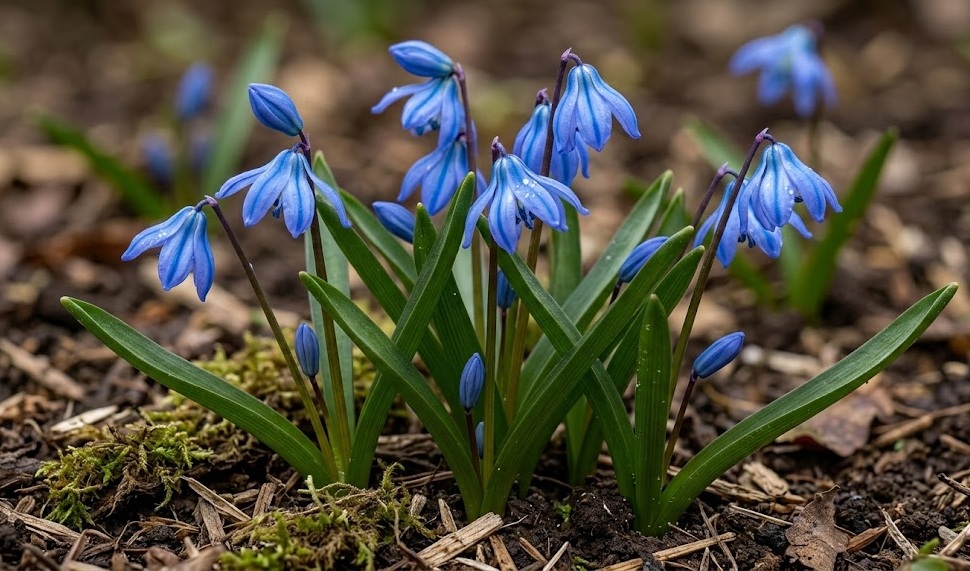

While the siberian squill is remarkably resistant to most common garden problems, it is not entirely immune to issues. Understanding the potential threats from diseases and pests allows you to take proactive steps to protect your spring display. Most problems arise from environmental stress or poor planting conditions rather than aggressive pathogens. By maintaining a healthy garden environment, you can ensure that your squill remains vibrant and trouble-free for years.
Identifying fungal and bacterial diseases
Fungal diseases are the most frequent health issues encountered by gardeners growing siberian squill in damp climates. Botrytis, also known as gray mold, can sometimes affect the flowers and leaves during exceptionally wet springs. You might notice fuzzy gray patches or brown spots appearing on the delicate tissues of the plant. To prevent this, ensure that your plants have plenty of room for air to circulate between them.
Bulb rot is a more serious condition that usually stems from soil that remains waterlogged for too long. If the bulbs become soft, mushy, or emit a foul odor, they have likely been infected by soil-borne bacteria or fungi. This problem is almost always a result of poor drainage or overwatering during the dormant summer phase. Affected bulbs should be removed and destroyed immediately to prevent the infection from spreading to healthy neighbors.
Sclerotinia is another fungal pathogen that can occasionally cause the sudden wilting and death of entire clumps. It often leaves behind small, hard black structures in the soil that can survive for several years. If you encounter this issue, it is best to avoid planting bulbs in that specific spot for a few seasons. Improving the overall soil health and increasing organic matter can help suppress these types of harmful fungi.
Viruses are rare in siberian squill but can cause mottled or streaked leaves and distorted flower shapes. Since there is no cure for viral infections in plants, the only solution is to remove the affected individuals. You should also keep an eye on sap-sucking insects, as they are often the primary carriers of these plant viruses. Starting with high-quality bulbs from a reputable source is the best way to avoid introducing viruses into your garden.
More articles on this topic
Managing common garden pests
Slugs and snails are perhaps the most persistent pests that target the tender young shoots of siberian squill. These mollusks thrive in the cool, damp conditions of early spring and can quickly strip a plant of its foliage. You will often see telltale silvery trails on the ground and irregular holes in the leaves and petals. Using organic barriers or manual removal at night can help keep their populations under control effectively.
Bulb mites are tiny, almost invisible creatures that can inhabit the scales of the bulbs and cause stunted growth. Their feeding creates small wounds that can then serve as entry points for more dangerous fungal and bacterial infections. If your plants look sickly and fail to thrive despite good care, mites might be the hidden cause. Ensuring that your bulbs are stored in a cool, dry place before planting helps to prevent mite infestations.
While many rodents like squirrels and voles love to eat tulips and crocuses, they generally find squill to be unpalatable. This makes the siberian squill an excellent choice for gardens where other spring bulbs are frequently dug up and eaten. However, curious animals might still dig around the bulbs and disturb their roots while searching for other food. Firming the soil and using a light layer of mulch can discourage this type of minor mechanical damage.
Aphids can occasionally cluster on the flower stems and leaves, sucking the sap and weakening the overall plant. While a small number of aphids won’t cause much harm, a large infestation can lead to distorted growth and sticky residue. You can easily wash them off with a gentle spray of water or use a mild insecticidal soap if necessary. Encouraging natural predators like ladybugs and lacewings in your garden provides a long-term solution to aphid problems.
More articles on this topic
Environmental stress and physiological issues
Sometimes what looks like a disease is actually the plant’s reaction to unfavorable environmental conditions. Leaf scorch can occur if a sudden period of very hot and sunny weather follows a cool, rainy spring. The tips of the leaves may turn brown and dry, but this usually doesn’t affect the long-term health of the bulb. Providing some temporary shade during extreme weather events can help protect the delicate foliage from burning.
Nutrient deficiencies can also mimic the symptoms of disease, such as yellowing leaves or poor flower production. If the soil is lacking in essential minerals like potassium, the plants will appear weak and more susceptible to infections. Regular soil testing and balanced fertilization, as discussed in previous chapters, are the best ways to avoid these issues. Healthy, well-fed plants are naturally more resilient and can fight off many common pathogens on their own.
Frost damage can occasionally occur if the temperatures drop significantly after the plants have started to bloom. While the plants themselves are hardy, the open flowers can be scorched or turned into a mushy consistency by ice. This is purely a cosmetic issue and will not harm the bulb’s ability to grow back the following year. Simply wait for the damaged parts to dry up and let the plant continue its natural growth cycle.
Overcrowding is another non-disease issue that can lead to a decline in the health and appearance of your squill. When too many bulbs compete for the same limited resources, they become stressed and produce fewer, smaller flowers. This stress makes them more vulnerable to any pests or diseases that happen to be present in the garden. Regular division of the clumps every few years is the best way to prevent this common physiological problem.
Preventive measures and organic solutions
The most effective way to manage pests and diseases is to focus on prevention rather than trying to cure problems later. Start by selecting only the firmest and healthiest bulbs when you are buying new stock for your garden. Any bulbs that show signs of mold, soft spots, or mechanical damage should be discarded immediately. Planting your squill at the correct depth and in well-drained soil eliminates the most common causes of failure.
Crop rotation is a useful concept even in the ornamental garden to prevent the buildup of soil-borne pathogens. If you have had a major disease issue in one area, avoid planting the same type of bulb there for a few years. This break in the cycle allows the pathogen populations in the soil to naturally decline and eventually die out. Use that space for different types of plants that are not susceptible to the same specific diseases.
Organic gardeners can use various natural sprays and soil amendments to boost the immunity of their plants. Compost tea and seaweed extracts are excellent for providing trace minerals and beneficial microbes to the root zone. These natural products help to strengthen the cell walls of the plants, making it harder for fungi to penetrate. Maintaining a diverse garden ecosystem with plenty of beneficial insects is your best defense against most common pests.
Always clean your gardening tools after working with plants that show any signs of disease or pest infestation. Fungal spores and bacteria can easily be carried from one part of the garden to another on dirty shovels or pruners. A quick dip in a diluted bleach solution or rubbing alcohol is enough to sterilize your equipment and keep your garden safe. Taking these small, extra steps will save you a lot of frustration and keep your blue spring carpet healthy.
Long term monitoring and health checks
Developing a habit of regularly walking through your garden will help you spot any potential problems before they become serious. Early detection of a slug problem or a small patch of mold can make management much easier and more effective. You should pay close attention to the plants as they first emerge and again just before they enter dormancy. These transition periods are when the plants are often most vulnerable to environmental and biological stresses.
If you do encounter a persistent problem that you cannot identify, consider reaching out to a local agricultural extension office. They can often provide professional diagnosis and suggest treatments that are specific to your local climate and soil conditions. Taking clear photos and notes of the symptoms will help the experts give you the most accurate advice. Learning more about the specific challenges in your area is a great way to become a more successful gardener.
Keep a garden journal to record any issues you face and the effectiveness of the solutions you tried. Over time, you will notice patterns and learn which parts of your garden are most prone to certain problems. This knowledge allows you to tailor your care routines and choose the best locations for future plantings of siberian squill. Your personal experience is the most valuable tool you have for maintaining a beautiful and healthy landscape.
Remember that a few minor holes in the leaves or an occasional faded flower are a normal part of a living garden. You don’t need to strive for absolute perfection to have a stunning and successful spring display of blue flowers. Focus on the overall health and vigor of the entire colony rather than worrying about every single individual plant. With a proactive and observant approach, your siberian squill will continue to bring joy every spring for many years.