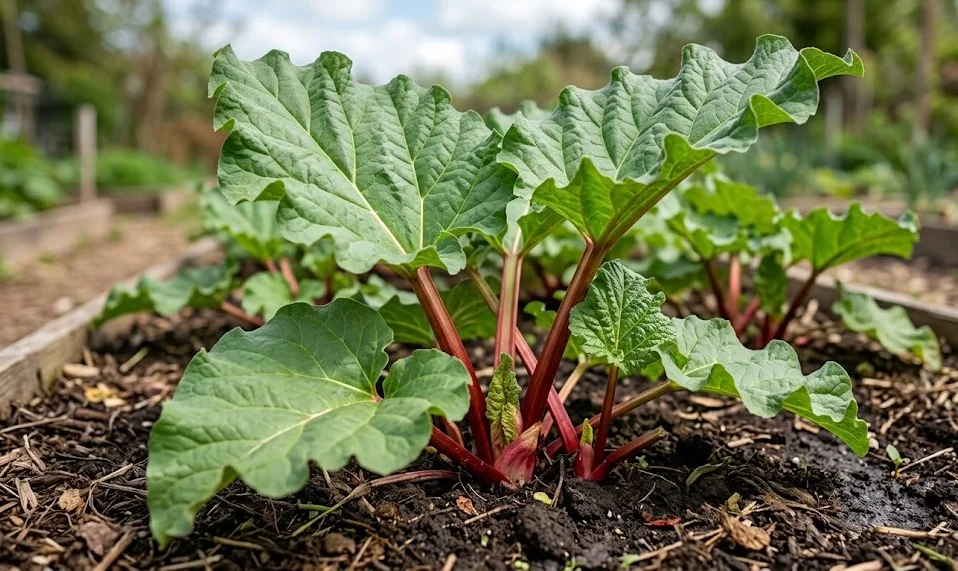

Protecting your rhubarb from biological threats is essential for maintaining a healthy and productive garden over many years. While this plant is generally considered hardy and resilient, it is not entirely immune to the attacks of fungi and insects. A professional approach to plant health involves regular monitoring and the use of integrated management strategies to minimize damage. By understanding the common enemies of your crop, you can take proactive steps to ensure your plants remain strong and vibrant.
Fungal infections are among the most common issues that gardeners face when growing this large-leaved perennial. High humidity and poor air circulation create the perfect environment for spores to land and multiply on the foliage. You should always space your plants correctly to allow the wind to move through the leaves and dry them out quickly after rain. Identifying these problems early is the key to preventing them from spreading throughout your entire agricultural patch.
Insect pests can also cause significant physical damage to the stalks and leaves, reducing the aesthetic and nutritional value of the harvest. Some insects feed directly on the plant tissue, while others act as vectors for more serious viral or bacterial diseases. Using organic and physical control methods is often the best way to manage these populations without harming the surrounding ecosystem. A healthy garden contains many natural predators that will help you keep these pest populations under control.
Soil-borne pathogens represent a more hidden but equally dangerous threat to the longevity of your rhubarb crowns. These microorganisms can attack the root system and the heart of the plant, often leading to a slow decline in vigor. Because these issues occur underground, they are often not discovered until the damage is already quite extensive and difficult to treat. Maintaining excellent soil health and drainage is your primary defense against these invisible but destructive garden enemies.
Identifying fungal issues
Leaf spot is a frequent fungal disease that manifests as small, circular lesions on the broad green surfaces of the rhubarb. These spots can vary in color from light brown to deep purple, often with a darker border around the edge. While a few spots may not kill the plant, a severe infection can cause the leaves to turn yellow and drop prematurely. Removing and destroying the affected leaves as soon as they are spotted is the most effective way to stop the cycle.
More articles on this topic
Downy mildew is another fungal challenge that appears as a fuzzy, grayish growth on the underside of the leaves. The top surface of the leaf may show corresponding yellow patches that eventually turn brown and die. This disease thrives in cool, damp weather and can spread rapidly if the plants are crowded too closely together. Improving the airflow around your rhubarb and avoiding overhead watering can significantly reduce the incidence of this particular fungus.
Botrytis cinerea, also known as gray mold, can affect the base of the stalks and the developing buds during very wet seasons. This fungus causes the plant tissue to become soft and mushy, often covered in a characteristic layer of gray, dusty spores. It is particularly dangerous for young plants or those that have been physically damaged by wind or improper harvesting. Keeping the area around the base of the plant free of decaying organic debris helps eliminate the source of the infection.
Crown rot is perhaps the most serious fungal disease, as it directly attacks the central part of the plant where growth originates. Symptoms include a sudden wilting of the entire plant and a foul-smelling decay at the base of the stalks. This condition is often caused by waterlogged soil and is very difficult to cure once it has taken hold of the crown. If a plant is severely affected by crown rot, it should be removed entirely and the soil should be treated before replanting.
Controlling leaf eating insects
Slugs and snails are notorious for their love of the tender new rhubarb shoots that emerge in the early spring. They can quickly rasp away large sections of the stems and leaves, leaving behind unsightly holes and shiny slime trails. Because they are most active at night, you may need to go out with a flashlight to catch them in the act of feeding. Using copper tape around the base of the plants or natural barriers like crushed eggshells can help deter these persistent mollusks.
More articles on this topic
The rhubarb curculio is a specialized beetle that can cause unique damage to the stalks of your favorite garden vegetable. These insects use their long snouts to puncture the stems, leaving behind small wounds that often exude a clear, gummy sap. While the feeding itself may not kill the plant, the wounds can provide entry points for secondary infections like rot. Removing nearby weeds like curly dock, which host the larvae of this beetle, is a critical step in professional pest management.
Aphids can occasionally colonize the underside of the rhubarb leaves, sucking the sap and weakening the overall structure of the plant. These tiny insects reproduce very rapidly and can cause the leaves to become distorted or curled if the population is large. You can often control them by simply knocking them off the leaves with a strong stream of water from your garden hose. Encouraging beneficial insects like ladybugs and lacewings will also provide a natural and effective way to keep aphids in check.
Caterpillars of various moth species may also find their way onto your rhubarb foliage throughout the summer months. These hungry larvae can consume a surprising amount of leaf material in a very short period of time. Hand-picking the caterpillars and moving them to a different part of the garden is a simple and effective solution for most home growers. For larger infestations, using organic biological controls like Bacillus thuringiensis can target the pests without harming other beneficial garden residents.
Preventing crown and root rot
Excellent drainage is the single most important factor in preventing the various rots that can plague a rhubarb patch. You should never plant your crop in a location where the water tends to sit for more than an hour after a heavy rainstorm. If your garden has heavy clay soil, consider building raised beds to keep the crowns well above the level of the surrounding ground. This simple structural change can mean the difference between a thriving plant and one that succumbs to rot.
The depth at which you plant the rhubarb crown also plays a significant role in its susceptibility to soil-borne diseases. If the buds are buried too deeply, they will be constantly surrounded by moist earth, which encourages the growth of harmful bacteria. Aim to have the top of the crown just a few centimeters below the surface so that it can stay relatively dry. Proper planting technique is a fundamental skill that every professional gardener must master to protect their long-term investments.
Sanitation in the garden is another critical component of disease prevention that is often overlooked by casual hobbyists. You should always clean your gardening tools with a mild disinfectant before moving from one plant to another. This prevents the accidental transfer of microscopic spores or bacteria that may be present on the metal surfaces of your spade or shears. Keeping your equipment clean is a professional habit that significantly reduces the risk of cross-contamination in your beds.
Avoiding physical injury to the plant during the growing season is essential for maintaining its natural defenses. Any cut or bruise on the stalks or crown provides an open door for pathogens to enter the healthy tissue of the plant. This is why pulling the stalks with a twist is preferred over cutting them with a knife during the harvest. By minimizing the amount of wounded tissue, you allow the plant to focus its energy on growth rather than healing from injuries.
Beneficial garden practices
Maintaining a diverse ecosystem in your garden is one of the most effective ways to manage pests and diseases naturally. Planting a variety of flowering herbs nearby will attract the predatory insects that feed on the pests that want to eat your rhubarb. This creates a balance where no single species can become dominant enough to cause significant damage to your agricultural crops. A healthy garden is a self-regulating system that requires much less intervention from the gardener over time.
Regular inspection of your plants allows you to catch potential problems while they are still small and manageable. You should make it a habit to walk through your garden every few days and look closely at the health of the stalks and leaves. Turn over a few leaves to check for hidden insects or the early signs of fungal growth on the underside. This proactive approach saves you a lot of time and effort by preventing major outbreaks before they can start.
Proper nutrition helps the rhubarb plant build the strong cell walls and chemical defenses it needs to fight off attacks. A plant that is stressed by a lack of nutrients will always be more susceptible to diseases than one that is well-fed and vigorous. By following a consistent fertilization schedule, you are essentially boosting the immune system of your perennial vegetables. Think of healthy soil as the foundation of a healthy plant that is naturally resistant to its environmental enemies.
Finally, knowing when to give up on a severely diseased plant is a difficult but necessary part of being a professional gardener. If a plant is showing signs of a systemic viral infection or advanced crown rot, it is often better to remove it entirely. This prevents the disease from spreading to the healthy plants in the rest of your garden and allows you to start fresh in that location. Protecting the health of the entire patch is more important than trying to save a single doomed individual.
Integrated pest management
Integrated Pest Management, or IPM, is a professional philosophy that combines multiple techniques to achieve long-term plant health. It moves away from a reliance on chemicals and instead focuses on cultural, physical, and biological controls that work together. For rhubarb, this means choosing resistant varieties, maintaining the soil, and only intervening with treatments when absolutely necessary. This holistic approach is better for the environment and for the quality of the food you are producing.
Monitoring the weather can help you predict when certain diseases or pests are likely to become a problem in your local area. For example, a period of warm and humid weather is a clear warning sign to keep a close eye out for fungal infections like leaf spot. Being aware of these environmental triggers allows you to take preventive action before the symptoms even appear on the plants. Knowledge of the local climate is one of the most valuable tools in any gardener’s professional arsenal.
Biological controls, such as introducing beneficial nematodes to the soil, can target specific pests without affecting the rest of the garden. These tiny organisms hunt down the larvae of harmful insects in the ground, providing a hidden layer of protection for the rhubarb roots. This type of targeted intervention is much more sustainable than broad-spectrum treatments that kill everything they touch. Using nature’s own solutions is a hallmark of an advanced and environmentally conscious gardening practice.
As a final note, always remember that a few holes in a leaf or a slightly crooked stalk are perfectly normal in a natural garden. You do not need to strive for laboratory perfection, but rather for a productive and healthy balance in your outdoor space. By following these professional guidelines, you can enjoy a bountiful harvest of rhubarb for many years to come. Your dedication to plant health will be rewarded with a garden that is both beautiful and highly functional.