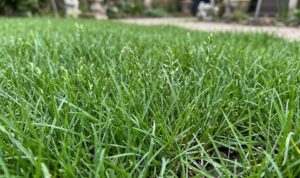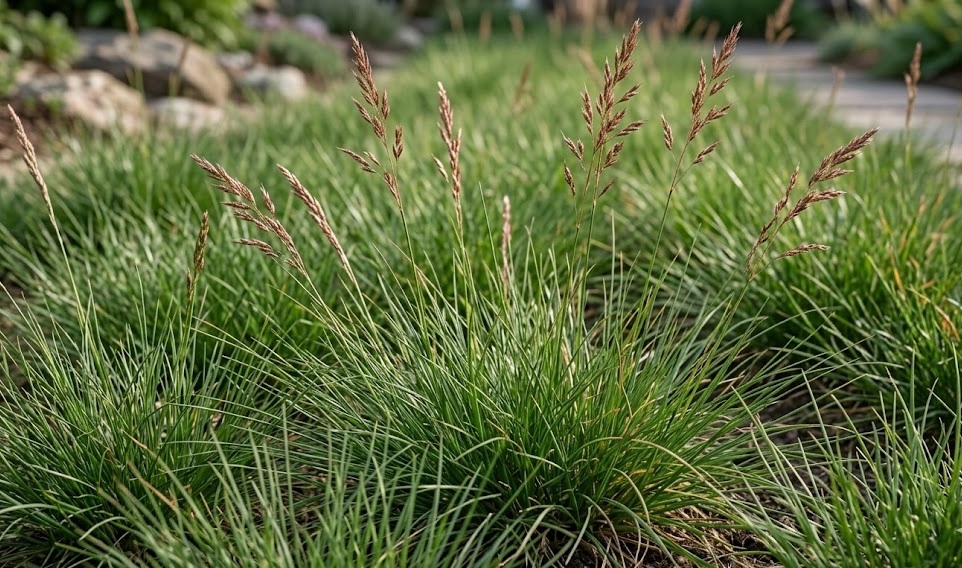

Protecting your red fescue lawn from diseases and pests is a critical part of maintaining its aesthetic and structural integrity. Even though this grass is hardy, it is not immune to the various pathogens and insects that inhabit the garden. A professional approach involves regular monitoring and an understanding of the conditions that favor these unwanted visitors. By identifying problems early, you can take effective action and preserve the health of your green space.
Many lawn problems are the result of an imbalance in the environment rather than the fault of the grass itself. Excessive moisture, poor air circulation, and improper mowing are common factors that open the door to infections. You must view your lawn as a living ecosystem where every action has a ripple effect on its health. Prevention through proper cultural practices is always more effective than attempting to cure a widespread outbreak.
Pests can cause damage that ranges from minor cosmetic issues to the complete destruction of large turf areas. Understanding the life cycles of common lawn insects allows you to target them when they are most vulnerable. You should also learn to distinguish between beneficial insects and those that actually pose a threat to your fescue. A healthy lawn can usually tolerate a small population of pests without any noticeable decline in quality.
Integrated Pest Management (IPM) is the gold standard for dealing with health issues in the modern garden. This strategy combines biological, mechanical, and chemical tools to manage problems with minimal impact on the environment. You should always start with the least invasive methods before escalating to stronger treatments. This balanced philosophy ensures that your lawn remains a safe and healthy environment for both people and wildlife.
Common fungal diseases in red fescue
Red thread is one of the most recognizable fungal diseases that affects red fescue, especially during cool, wet periods. You will see pinkish, thread-like fungal growths emerging from the tips of the grass blades, often accompanied by patches of tan or dead turf. This disease is usually an indicator of low nitrogen levels and can often be managed by improving the nutrition of the lawn. Maintaining proper fertility is often enough to help the grass outgrow the infection naturally.
More articles on this topic
Dollar spot is another common issue that appears as small, circular patches about the size of a large coin. The spots often merge into larger, irregular areas if left untreated, and you might notice white, cobweb-like mycelium in the morning dew. This fungus thrives when there is high humidity and low soil moisture, which stresses the plants. Regular aeration and removing excess thatch can help reduce the conditions that allow dollar spot to flourish.
Brown patch is a more serious fungal infection that typically strikes during the hot and humid periods of mid-summer. It creates large, brownish circles in the turf that can expand rapidly if the environment remains favorable for the fungus. You should avoid watering late in the evening during summer to keep the foliage as dry as possible overnight. Proper drainage and air movement are also critical factors in preventing this devastating disease from taking hold.
Snow mold can affect red fescue as the snow melts in the early spring, leaving behind matted, gray or pink patches of grass. This happens when snow falls on unfrozen ground or when there is an excessive layer of dead leaves under the snow. You can help prevent this by making sure the lawn is not too tall going into the winter and by clearing away debris in the fall. Gently raking the affected areas in the spring will help the grass dry out and begin its recovery.
Identifying and managing common insect pests
Grubs are the larvae of various beetles and are among the most destructive pests for any lawn. They live in the soil and feed on the roots of the grass, causing large patches of turf to die and lift up easily like a carpet. You should look for signs of animal activity, such as birds or raccoons digging in the lawn, which often indicates a high grub population. Controlling them usually involves a well-timed application of biological agents or specialized insecticides in late summer.
More articles on this topic
Leatherjackets are the larvae of crane flies and can cause significant thinning of the turf during the spring. They feed on both the roots and the base of the grass blades, leading to patches of yellowish or bare earth. You might notice an increase in adult crane flies around your garden in the late summer, which is when they lay their eggs. Keeping the lawn well-aerated and avoiding excessive moisture can help discourage these pests from establishing themselves.
Sod webworms are the caterpillars of small moths and create tunnels in the thatch layer of the lawn. They feed on the grass blades at night, causing small, irregular brown spots that can eventually merge together. You can detect their presence by looking for small green droppings or by using a soap-and-water flush to bring them to the surface. Managing the thatch layer is the most effective way to limit their habitat and keep their numbers under control.
Chinch bugs are tiny insects that pierce the grass blades and suck out the juices, while also injecting a toxin that kills the tissue. Their damage often looks like drought stress, with the grass turning yellow and then brown in sunny areas. You can test for them by using a metal cylinder pushed into the soil and filled with water; the bugs will float to the top. Increasing the moisture levels and using resistant cultivars are good strategies for managing these persistent pests.
Environmental factors contributing to disease
Excessive moisture is perhaps the single most significant factor in the development of lawn diseases. When the soil remains saturated or the foliage stays wet for long periods, fungal spores can easily germinate and spread. You should ensure that your lawn has proper grading and drainage to prevent water from pooling in low spots. Adjusting your irrigation schedule to allow the surface to dry out between watering sessions is a fundamental part of disease prevention.
Poor air circulation can create a stagnant environment where humidity levels remain high near the ground. This is often a problem in enclosed gardens or areas with dense shrubbery and low-hanging tree branches. You should consider thinning out nearby vegetation to allow more wind to move across the turf surface. Better airflow helps moisture evaporate more quickly and reduces the window of opportunity for pathogens to infect the grass.
Improper mowing techniques, such as cutting the grass too short or using dull blades, create significant stress for the plants. Weakened grass is much less able to defend itself against infections and can be easily overwhelmed by pests. You should always maintain the recommended height for red fescue and ensure your equipment is in top condition. A clean, sharp cut heals quickly and minimizes the entry points for harmful fungi and bacteria.
Soil compaction and heavy thatch buildup further contribute to an unhealthy environment for the grass roots. When the soil is tight, the roots cannot breathe, and the entire plant becomes susceptible to any passing threat. Thatch acts as a reservoir for disease spores and a hiding place for many destructive insect species. Regular mechanical treatments, like aeration and dethatching, are essential for keeping the lawn’s “immune system” strong.
Integrated pest management and prevention
The first step in any IPM program is the accurate identification of the problem before taking any action. You should take the time to examine the symptoms closely and consult professional resources to confirm the cause of the damage. Treating a fungal issue with an insecticide, or vice versa, is not only ineffective but also harmful to the environment. Understanding what you are dealing with allows you to choose the most efficient and least toxic solution.
Establishing a threshold for action is a key component of a professional and sustainable management strategy. You do not need to eliminate every single weed or insect to have a beautiful and healthy lawn. A few pests are a normal part of a balanced ecosystem and do not necessarily require a chemical intervention. You should only take action when the damage exceeds your personal aesthetic or the plant’s biological limit for recovery.
Cultural controls should always be your first line of defense against any lawn health issues. This means optimizing your watering, fertilization, and mowing practices to favor the growth of the grass over its competitors. A healthy, vigorous lawn is naturally much more resistant to diseases and can tolerate more insect pressure than a stressed one. Investing your effort into proper care is the most cost-effective way to prevent future problems.
When chemical treatments are necessary, you should choose the most selective and targeted products available. Avoid broad-spectrum pesticides that kill beneficial insects along with the pests, as this can lead to further imbalances in the future. Always apply these products at the correct rate and time of day to maximize their effectiveness and minimize their impact on the surrounding area. Responsible use of technology is a hallmark of the modern, expert gardener.
Recovery and restoration after infestation
Once a disease or pest problem has been brought under control, your focus must shift toward helping the lawn recover. You should gently rake away any dead material to allow light and air to reach the soil surface and the surviving grass. Providing a light application of a balanced fertilizer can help the remaining plants fill in the gaps more quickly. Recovery is a slow process that requires patience and continued attention to the basics of care.
Overseeding is often necessary to restore the density of the turf after a major outbreak has left bare patches. You should use the same high-quality red fescue seed that was used for the original lawn to ensure a consistent look. Make sure to time your overseeding so that the new seedlings have the best possible conditions for growth. This process not only repairs the damage but also introduces younger, more vigorous plants into the aging turf.
Evaluating the cause of the outbreak is essential for preventing a repeat performance in the following season. You should ask yourself what environmental factors or maintenance habits might have contributed to the problem. Making small adjustments to your routine can often prevent the same issue from returning year after year. Learning from these challenges is what transforms a casual gardener into a true horticultural expert.
Regular monitoring should continue even after the lawn appears to have fully recovered from its health issues. You should stay vigilant and look for early warning signs that the problem might be resurfacing. Keeping a garden journal can help you track the timing and circumstances of past infestations, providing valuable data for the future. A professional approach to lawn health is a continuous cycle of observation, action, and reflection.