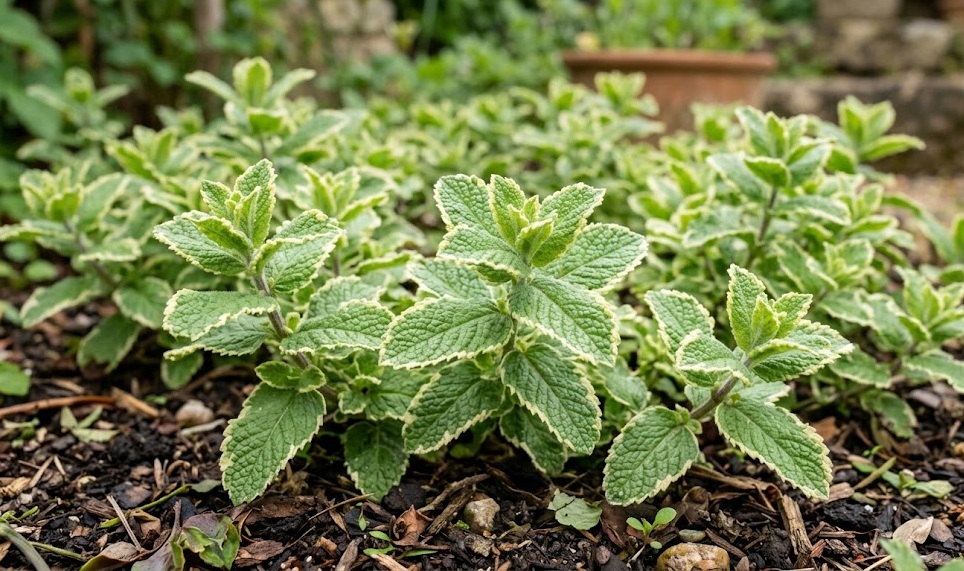

Maintaining the health of pineapple mint requires a professional level of vigilance to protect its delicate variegated foliage from various biological threats that can diminish its beauty and utility. While mint is generally known for its hardiness, the specific cultivar known as pineapple mint can be more susceptible to certain issues due to the sensitivity of its white-margined leaves. You must be able to distinguish between common environmental stress and actual attacks from pathogens or insects to apply the correct treatment in a timely manner. A humanized and observant approach to garden management ensures that small problems are caught before they escalate into a full-scale infestation or disease outbreak.
Pathogens like mint rust and various forms of powdery mildew are among the most frequent challenges you will face when cultivating any variety of Mentha. These fungal issues thrive in environments where air circulation is poor and the leaves remain wet for extended periods, making your watering technique a primary line of defense. Professional gardeners often focus on creating an environment that is hostile to fungi by spacing plants correctly and using preventative organic sprays. When disease does strike, the first step is always the removal and destruction of the affected tissue to prevent the spores from spreading through the rest of the patch.
Pest management is equally important, as insects like aphids, spider mites, and leafhoppers can quickly drain the vitality from the soft, aromatic stems. These pests are often attracted to the lush new growth that follows heavy fertilization, which is another reason why a balanced approach to feeding is so critical. You should make it a habit to check the undersides of the leaves and the tips of the stems during your regular garden walks, as this is where most pests congregate. Using physical barriers, natural predators, and gentle organic soaps is far more effective and safer for an herb garden than harsh chemical interventions.
Finally, understanding the relationship between plant stress and susceptibility to attack is a hallmark of professional horticulture. A pineapple mint plant that is properly hydrated, correctly sited, and grown in healthy soil has its own natural defenses that make it less attractive to both pests and diseases. When you focus on the overall vigor of the plant, you are inherently practicing the best form of pest and disease control available. This holistic view of garden health ensures that your pineapple mint remains a vibrant and healthy addition to your collection, free from the blemishes that can ruin its ornamental appeal.
Managing fungal diseases and rust
Mint rust is perhaps the most notorious disease that affects this genus, and it can be particularly devastating if it takes hold in a pineapple mint patch. You will recognize it by the appearance of small, bright orange or brown dusty spots on the undersides of the leaves, which are actually fungal spores. As the disease progresses, the leaves will turn yellow and drop off, and the entire stem can eventually die back to the ground. This fungus overwinteris in the soil and on plant debris, so thorough cleanup at the end of every season is a professional necessity.
More articles on this topic
To combat rust, you must be ruthless in removing any infected stems as soon as you see the first orange spots appearing. Do not put these clippings in your compost pile, as the spores can survive the composting process and re-infect your garden later; instead, dispose of them in the trash or by burning them. If a patch is heavily infected, you might need to cut the entire plant back to the ground and allow new, healthy shoots to emerge from the roots. Some professional growers also use a hot water treatment for dormant rhizomes to kill any lingering spores before replanting in the spring.
Powdery mildew is another common fungal issue, appearing as a white, flour-like coating on the surface of the leaves during humid weather. While it is rarely fatal, it significantly detracts from the plant’s appearance and can affect the flavor of the leaves for culinary use. You can manage this by increasing the spacing between plants to improve air flow and ensuring the plant is not under stress from a lack of water. A simple organic spray made from a mixture of baking soda, water, and a drop of dish soap can often stop the mildew in its tracks if applied at the first sign of trouble.
Leaf spot diseases can also occur, causing dark brown or black lesions that can eventually merge and kill large sections of the foliage. These are usually caused by water splashing up from the soil onto the leaves, which is why mulching and watering at the base of the plant are such important preventative measures. If you notice leaf spots, try to thin out the clump to allow more light and air into the center of the plant, which helps the leaves dry more quickly. Maintaining a clean and well-ventilated garden environment is the most effective way to keep these fungal “uninvited guests” at bay.
Common insect pests and their control
Aphids are small, soft-bodied insects that can appear in clusters of green, black, or pink on the tender new growth of your pineapple mint. They feed by sucking the sap from the plant, which can lead to distorted leaves and a general lack of vigor in the affected stems. You will also notice a sticky substance called “honeydew” on the leaves, which can attract ants and provide a medium for the growth of sooty mold. A strong blast of water from a garden hose is often enough to knock aphids off the plant and disrupt their feeding cycle without using any chemicals.
More articles on this topic
Spider mites are much smaller and harder to see, but their presence is revealed by a fine, silken webbing between the leaves and a “stippled” or mottled appearance on the foliage. These pests thrive in hot, dry conditions, making them a common problem during the height of summer for variegated plants. To control spider mites, you should focus on increasing the humidity around the plant and keeping the soil consistently moist to reduce stress. If the infestation is severe, applying an organic neem oil spray can be very effective, as it disrupts the mites’ ability to grow and reproduce.
Leafhoppers and whiteflies are other sap-sucking insects that can occasionally target mint, often causing white spots or a “bleached” look on the leaves. These pests are highly mobile and can spread viruses from one plant to another, so it is important to manage them as soon as they are detected. Yellow sticky traps can be a professional way to monitor their populations and catch a significant number of adults before they can lay eggs. Encouraging beneficial insects like lacewings and parasitic wasps in your garden provides a natural form of biological control that keeps these pest populations in check.
Slugs and snails are physical pests that can do a great deal of damage to the soft, fuzzy leaves of pineapple mint, especially during damp nights. You will see large, irregular holes in the leaves and telltale silvery slime trails across the soil and foliage. To protect your plants, you can use copper tape around the edges of containers or create barriers with crushed eggshells or diatomaceous earth. Hand-picking these pests in the evening is a classic and very effective humanized method for protecting a small herb patch from significant structural damage.
Preventative strategies for a healthy patch
The most professional way to handle diseases and pests is to prevent them from ever establishing a foothold in your garden. This starts with the selection of healthy, disease-free plants from reputable nurseries and carefully inspecting any new additions before they are planted. You should also avoid planting mint in the same spot where diseased plants were recently removed, as many pathogens can survive in the soil for several years. Crop rotation, even in a small herb garden, can be a valuable tool for breaking the life cycles of specific pests and diseases.
Good garden hygiene is a simple but powerful preventative measure that involves regularly removing dead leaves and spent flower heads from around your pineapple mint. This debris can act as a hiding place for pests and a breeding ground for fungal spores if it is allowed to accumulate and rot on the soil surface. By keeping the area clean, you reduce the “habitat” available for harmful organisms and make it easier to spot any new issues as they arise. This level of tidiness is a hallmark of a well-maintained and professional garden space.
Optimizing the physical environment of the plant is another critical pillar of prevention, particularly regarding light and air movement. A plant that is grown in too much shade will have weaker stems and softer leaves, making it an easier target for sucking insects and fungal infections. Similarly, a patch that is too dense will trap moisture and create the high-humidity microclimate that powdery mildew and rust adore. Taking the time to thin out your mint every spring ensures that every leaf has access to the resources it needs to stay strong and healthy.
Finally, you should focus on building a resilient and diverse garden ecosystem that supports natural pest control. Planting nectar-rich flowers like sweet alyssum or dill nearby will attract ladybugs, hoverflies, and other predatory insects that feed on aphids and mites. When your garden is a balanced environment, you will find that you rarely need to intervene with sprays or treatments, as the local wildlife does much of the work for you. This professional approach to “integrated pest management” is the most sustainable way to enjoy a beautiful and productive herb garden.
Natural and organic treatment options
When intervention becomes necessary, always start with the least toxic and most natural options available to preserve the culinary quality of your pineapple mint. Horticultural soaps are a professional choice for controlling soft-bodied insects like aphids and whiteflies without leaving harmful residues behind. These soaps work by breaking down the outer shell of the insect, leading to rapid dehydration, but they must come into direct contact with the pest to be effective. Always apply these treatments during the cooler parts of the day to avoid any risk of phytotoxicity or burning the variegated leaves.
Neem oil is another versatile organic tool that acts as both an insecticide and a fungicide, making it a valuable resource for various mint problems. It is derived from the seeds of the neem tree and works by interfering with the hormonal systems of pests, preventing them from maturing and laying eggs. It can also help suppress the germination of fungal spores on the leaf surface, providing a layer of protection against mildew. Because it is an oil, you must be careful not to apply it in direct, hot sun, which could cause the leaves of your pineapple mint to scorch.
For fungal issues like powdery mildew, a simple milk-based spray has been shown to be surprisingly effective in professional trials. Mixing one part milk with nine parts water and spraying it on the foliage creates a natural antifungal environment that can stop the spread of the disease. This method is completely safe for an herb that you plan to eat and is much more environmentally friendly than synthetic fungicides. It is a great example of how simple, humanized solutions can often be just as effective as expensive commercial products.
If you are dealing with soil-borne issues or want to boost the plant’s overall immunity, using beneficial microbes can be a game-changer. Products containing Bacillus subtilis or mycorrhizal fungi can be applied to the soil to improve root health and compete with harmful pathogens. These “good” bacteria and fungi create a protective zone around the roots, making it much harder for diseases to take hold. This professional focus on “living soil” is the ultimate way to ensure the long-term health and productivity of your variegated mint collection.
Monitoring and long-term recovery
Developing a consistent monitoring routine is the best way to ensure that your pineapple mint remains at its professional peak. You should spend a few minutes each week carefully examining your plants, looking for any changes in color, texture, or the presence of unwanted visitors. Keeping a garden journal can help you track when certain pests usually appear and which treatments were most effective in previous years. This proactive approach allows you to act at the first sign of trouble, which is always easier than trying to save a severely damaged plant.
If your plant does suffer from a significant disease or pest attack, the recovery process requires patience and a gentle touch. After removing the damaged parts and applying the necessary treatments, you should provide the plant with a little extra support in the form of compost tea or a diluted liquid fertilizer. This helps the plant rebuild its energy reserves and produce new, healthy foliage to replace what was lost. Avoid the temptation to over-fertilize during recovery, as this can lead to weak growth that is quickly re-attacked by the same pests.
Sometimes, the most professional decision you can make is to completely remove a plant that is chronically diseased and start fresh in a new location. If a patch of pineapple mint is repeatedly hit by rust despite your best efforts, the soil may simply be too contaminated for the plant to thrive. Removing the infected material and solarizing the soil (covering it with clear plastic during the summer to kill pathogens) can help clean the site for future use. Starting fresh with new, healthy stock in a better-sited location is often more rewarding than a long, losing battle with a persistent disease.
Ultimately, managing the pests and diseases of pineapple mint is a journey of learning and adaptation that makes you a more skilled gardener. By combining scientific knowledge of pathogens with a humanized, observant approach, you can navigate the challenges that come with growing this beautiful herb. Your commitment to maintaining a healthy and vibrant patch will be rewarded with a spectacular display of variegated foliage and a bountiful harvest of pineapple-scented leaves. With professional care, your mint will remain a centerpiece of health and vitality in your garden for many years to come.