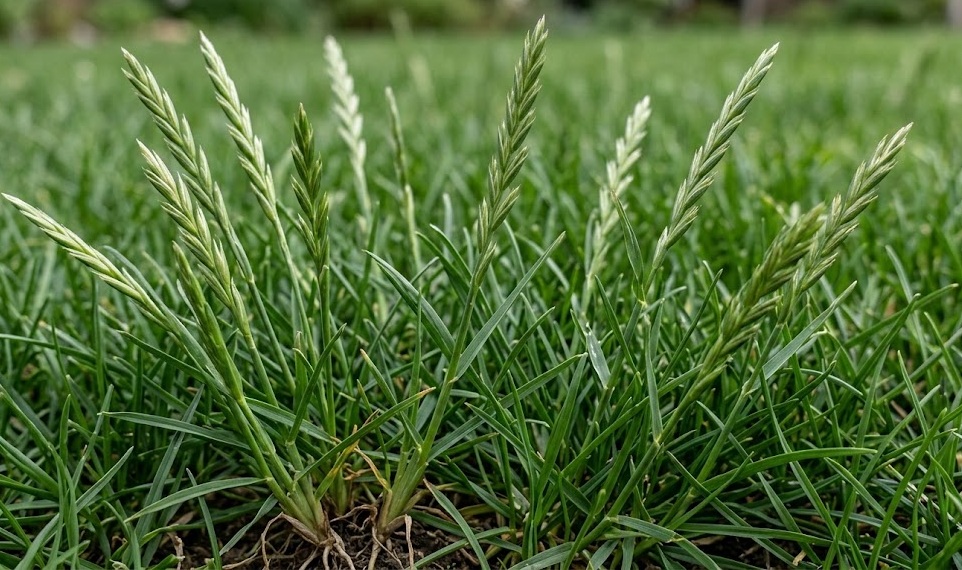

Protecting perennial ryegrass from the wide array of diseases and pests that can affect it is a core responsibility of any serious gardener. You must be able to identify the early warning signs of trouble to prevent a minor infestation or infection from destroying your entire lawn. This species, while robust in many ways, is susceptible to specific fungal pathogens and insect larvae that thrive in its dense canopy. A professional approach involves both proactive prevention and targeted treatments that minimize impact on the surrounding environment.
Fungal diseases are perhaps the most common challenge you will face when maintaining a lush ryegrass turf. You should understand that most fungi thrive in conditions of high humidity, poor air circulation, and improper watering schedules. Diseases like brown patch or red thread can appear suddenly, especially during the warm, damp periods of late spring and summer. Recognizing the unique shapes and colors of these fungal outbreaks is the first step toward effective control.
Insects can also cause significant damage, often working out of sight beneath the surface of the soil or deep within the grass crowns. You should be on the lookout for patches of grass that turn brown and can be easily pulled up, as this often indicates root damage from larvae. Pests like grubs or sod webworms can quickly thin out a lawn if their populations are allowed to grow unchecked. Regular inspections and a healthy soil ecosystem are your best defenses against these hungry invaders.
Integrated Pest Management (IPM) is a professional philosophy that prioritizes cultural and biological controls over chemical interventions. You should focus on keeping the grass as healthy as possible through proper mowing, watering, and fertilization to make it less attractive to pests. Using chemicals should be a last resort, applied only when a problem exceeds a specific threshold of damage. This balanced approach protects the beneficial organisms in your soil while keeping the pests at bay.
Identifying common fungal diseases
Brown patch is a frequent visitor to perennial ryegrass lawns during the hot and humid months of the summer. You will notice circular patches of light brown or tan grass that can range from a few centimeters to over a meter in diameter. If you look closely at the edges of the patch when the grass is wet, you might see a “smoke ring” of dark, grayish mycelium. Improving air circulation and avoiding late-evening watering are the best ways to reduce the risk of this disease.
More articles on this topic
Red thread is another common fungal issue that is often a sign of low nitrogen levels in the soil. You should look for pink or red gelatinous threads that weave between the blades of grass, eventually causing them to turn brown. This disease typically appears in the cooler, damp weather of spring or autumn and can make the lawn look quite unsightly. Boosting the nitrogen content of your fertilizer program is often enough to help the grass grow through and recover from the infection.
Leaf spot and melting out are more serious conditions that can lead to the permanent loss of grass plants if not managed properly. You will see small, dark spots with light centers on the leaf blades, which eventually cause the entire leaf to wither and die. As the disease progresses to the “melting out” phase, it attacks the crowns and roots, leading to a thinning of the turf density. Maintaining a proper mowing height and avoiding excessive nitrogen during the peak disease season can help minimize the damage.
Dollar spot is characterized by small, bleached-out spots about the size of a silver dollar that appear across the lawn. You will often see fine, cobweb-like fungal growth on the grass in the early morning when the dew is still present. This disease is particularly prevalent when there are warm days, cool nights, and long periods of leaf wetness. Regular fertilization and deep, infrequent irrigation are the most effective cultural practices for preventing major outbreaks of dollar spot.
Managing soil-borne pests and larvae
White grubs are the larvae of various beetles and are among the most destructive pests for any perennial ryegrass lawn. You should monitor for these pests in the late summer and early autumn when they are most active near the soil surface. They feed on the roots of the grass, causing it to die in irregular patches that may feel spongy when you walk on them. If you suspect an infestation, you can peel back a small section of turf to check for the C-shaped, creamy-white larvae.
More articles on this topic
Sod webworms are the caterpillars of small moths and can cause significant damage by feeding on the grass blades at night. You should look for small, brown patches where the grass has been chewed down to the soil level, often accompanied by silk-lined tunnels in the thatch. During the day, you might see the small tan moths flying up as you walk across the lawn or mow the grass. Controlling the thatch layer and using targeted biological controls like beneficial nematodes can help manage their population.
Leatherjackets, the larvae of crane flies, are another common pest that can thin out your perennial ryegrass during the spring. You should watch for increased bird activity on your lawn, as starlings and other birds often dig for these larvae as a food source. The larvae feed on both the roots and the base of the stems, leading to patches of poor growth and yellowing foliage. Maintaining good drainage and using mechanical aeration can make the soil less hospitable for crane fly eggs.
Chinch bugs are tiny insects that cause damage by sucking the sap from the grass blades and injecting a toxin that kills the tissue. You should look for yellow or brown patches in the sunniest, driest parts of your lawn, as these pests prefer heat and drought-stressed grass. If you suspect chinch bugs, you can perform a “flotation test” by using a bottomless can filled with water to see if the insects float to the surface. Keeping the lawn well-hydrated is a simple but effective way to discourage these pests from settling in.
Environmental and abiotic stressors
Not all problems with perennial ryegrass are caused by living organisms; many issues arise from environmental factors. You should be aware that extreme heat and drought can cause the grass to enter a dormant state, which looks like disease but is a survival mechanism. If the grass turns brown but the crowns remain green and firm, it is likely just waiting for better conditions. Providing a small amount of water during extended droughts can help the plants stay alive without breaking their dormancy.
Soil compaction is a physical stressor that can mimic the symptoms of various diseases by restricting root growth and oxygen access. You should check for compaction in high-traffic areas where the ground feels exceptionally hard and the grass remains thin and weak. Aeration is the best physical remedy for this issue, as it opens up the soil and allows life to return to the root zone. Managing foot traffic and rotating the paths you take across the lawn can also prevent this problem from recurring.
Chemical burn from improper fertilizer or pesticide application can cause sudden and dramatic damage to your ryegrass. You will see streaks or patches of dead grass that often follow the pattern in which the chemicals were applied to the surface. It is vital to follow all label directions precisely and to water in products when required to avoid this type of self-inflicted damage. If a spill occurs, flushing the area with large amounts of water immediately can sometimes save the grass.
Improper mowing practices, such as using dull blades or cutting the grass too short, create a major stress for the plants. You should know that a clean cut heals quickly, while a ragged tear from a dull blade leaves the plant open to infection by various pathogens. Removing too much of the leaf at once, known as “scalping,” weakens the plant and makes it much more susceptible to heat and disease. Sticking to the “one-third rule” of mowing is a professional standard that preserves the health and resilience of your turf.
Integrated pest management and biological controls
Adopting an Integrated Pest Management (IPM) strategy is the most sustainable way to protect your perennial ryegrass over the long term. You should start with the most basic cultural practices, such as choosing disease-resistant cultivars and maintaining proper soil fertility. By creating a vigorous and healthy lawn, you raise the threshold of damage the grass can withstand before intervention is necessary. This proactive approach reduces your reliance on chemical treatments and promotes a healthier overall environment.
Biological controls use natural predators or pathogens to manage pest populations without the use of harsh synthetic chemicals. You should consider using beneficial nematodes, which are microscopic worms that hunt and kill soil-borne larvae like grubs and leatherjackets. These organisms are safe for humans, pets, and beneficial insects like bees and ladybugs. Applying biological controls requires specific timing and soil conditions, so be sure to research the best application methods for your region.
Endophyte-enhanced ryegrass varieties are a fascinating biological tool for managing certain leaf-feeding insects. You should look for seeds that contain these beneficial fungi, which live inside the grass plant and produce natural compounds that deter pests like chinch bugs and sod webworms. These fungi do not harm the grass and actually improve its tolerance to drought and other environmental stresses. This built-in protection is a great way to reduce the need for external pesticide applications.
Monitoring and record-keeping are the final pieces of a professional IPM program for your garden. You should regularly scout your lawn for signs of trouble and note when and where specific issues appear each year. This data allows you to predict future outbreaks and take preventive action before the damage becomes severe. Sharing your observations with local gardening groups can also help you stay informed about regional pest trends and effective new control methods.
Selecting and applying treatments
When cultural and biological methods are not enough, you may need to select a targeted chemical treatment to save your ryegrass. You should always start by identifying the specific pathogen or pest to ensure you choose the most effective product for the job. Using a broad-spectrum pesticide when a narrow-range product would work can unnecessarily harm beneficial soil life. Read the entire label before purchase to confirm that the product is safe for use on perennial ryegrass.
Proper timing of the application is critical for achieving the best results with the least amount of product. You should apply fungicides when weather conditions are favorable for disease but before the damage becomes widespread. For insect treatments, timing often depends on the life cycle of the pest, such as applying grub control when the larvae are small and near the surface. Following the professional guidance on the label ensures that you are hitting the pests at their most vulnerable stage.
Calibration of your application equipment is essential for delivering the correct dose of treatment to your lawn. You should ensure that your sprayer or spreader is working properly and that you know exactly how much area a single tank or bag will cover. Over-application can lead to plant injury and environmental contamination, while under-application will fail to solve the problem. Taking the time to be precise with your measurements is a hallmark of a professional-level gardener.
After treatment, you should continue to monitor the area to evaluate the effectiveness of the product and the recovery of the grass. You may need to follow up with cultural repairs, such as light fertilization or overseeding, to fill in the areas thinned by the disease or pest. Learning from each experience helps you become more adept at managing the complex ecosystem of your perennial ryegrass lawn. A healthy landscape is a dynamic system that requires your ongoing attention and care to remain at its best.