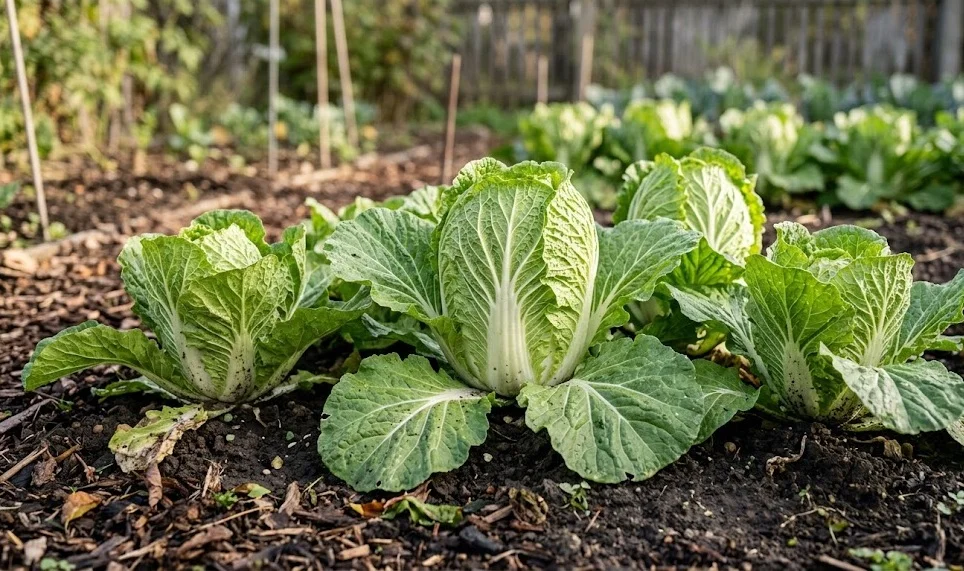

Growing napa cabbage can be a challenging endeavor due to the wide variety of pests and diseases that are attracted to its succulent leaves. From microscopic fungi to hungry caterpillars, the gardener must be constantly vigilant to protect their investment and ensure a healthy crop. A professional pest management strategy focuses on prevention, early detection, and the use of targeted interventions. Understanding the lifecycle of these threats is the first step toward maintaining a clean and productive garden throughout the entire season.
Fungal infections are among the most common issues, particularly in environments with high humidity and poor air circulation around the plants. These pathogens can cause everything from minor leaf spots to complete rot of the cabbage head if left unchecked by the gardener. Managing moisture levels and providing adequate spacing between rows are the best ways to reduce the risk of an outbreak. If you notice signs of disease, it is important to act quickly to prevent the spores from spreading to the rest of the garden.
Insect pests are often drawn to the sweet and tender foliage of the napa cabbage, sometimes appearing in large numbers seemingly overnight. Caterpillars, aphids, and flea beetles are common culprits that can cause significant physical damage to the leaves and developing heads. While some damage is purely cosmetic, heavy infestations can stunt the growth of the plant or even kill it entirely in its early stages. Using physical barriers and biological controls can help keep pest populations at a manageable level without the use of harsh chemicals.
Integrated Pest Management (IPM) is a professional approach that combines various strategies to minimize the impact of pests and diseases on the crop. This involves regular scouting of the garden, using resistant varieties, and fostering a healthy ecosystem of beneficial insects that prey on common pests. By understanding the relationships between different organisms in the garden, you can create a more resilient and self-sustaining growing environment. Education and observation are your most powerful tools in the ongoing battle against garden invaders.
Common fungal infections and their management
Clubroot is a devastating soil-borne fungal disease that causes the roots of the cabbage to become distorted, swollen, and unable to function. Affected plants will often wilt during the heat of the day and may eventually turn yellow and die as the root system fails. Because the spores can survive in the soil for many years, prevention is the only truly effective strategy for dealing with this particular pathogen. Maintaining a slightly alkaline soil pH and practicing strict crop rotation are key steps in preventing clubroot from taking hold in your garden.
More articles on this topic
Downy mildew appears as yellow patches on the upper surface of the leaves, often accompanied by a fuzzy white or gray growth on the undersides. This fungus thrives in cool, wet weather and can spread rapidly through a crowded planting of napa cabbage if the conditions are right. Improving air circulation by widening the rows and avoiding overhead watering can significantly reduce the pressure from downy mildew during the season. If the infection is severe, removing and destroying the most affected leaves may be necessary to save the rest of the plant.
Black leg is another serious fungal disease that causes dark, sunken lesions on the stem and leaves of the cabbage, eventually leading to wilting. The fungus can be carried on the seeds or survive in infected plant debris left in the garden from the previous growing season. Using certified disease-free seeds and ensuring that all old cabbage stalks are removed in the fall are essential preventive measures for every gardener. If you identify black leg in your patch, avoid working in the garden when the plants are wet, as this can easily spread the spores.
Damping-off is a common problem for those who start their cabbage seeds indoors in trays or small pots before the outdoor season begins. This fungal issue causes the stems of young seedlings to wither and collapse at the soil line, often killing them within a matter of hours. To prevent damping-off, always use a sterile seed-starting mix and ensure that your containers have excellent drainage for the water. Providing plenty of light and gentle air movement around the seedlings will also help keep the fungal populations at a safe level.
Bacterial threats to cabbage health
Black rot is a widespread and highly destructive bacterial disease that typically enters the cabbage leaves through the natural pores at the leaf margins. It manifests as V-shaped yellow lesions that eventually turn brown and dry as the bacteria move into the plant’s vascular system. This disease can be spread by splashing rain, contaminated tools, and even by the hands of the gardener as they move through the rows. Planting resistant varieties and maintaining a clean garden are the most effective ways to manage the risk of a black rot outbreak.
More articles on this topic
Bacterial soft rot is a common post-harvest issue but can also affect plants in the garden, especially following physical injury or heavy pest damage. The bacteria cause the tissues of the cabbage head to turn into a slimy, foul-smelling mass that is completely inedible and beyond any saving. Preventing mechanical damage during cultivation and controlling insect pests that create entry points for the bacteria are essential steps for the professional grower. If a plant shows signs of soft rot, it should be removed immediately and disposed of away from the compost pile.
Bacterial leaf spot causes small, water-soaked spots on the foliage that may eventually coalesce into larger necrotic areas on the cabbage. While often less destructive than black rot, it can still reduce the aesthetic value and the marketability of the cabbage heads if the infestation is heavy. High humidity and warm temperatures favor the spread of the bacteria, so managing the microclimate of your garden is very important. Copper-based organic sprays can sometimes be used to slow the progression of the disease if it is caught in its early stages.
Managing bacterial diseases focuses heavily on sanitation and the reduction of environmental conditions that favor the growth and spread of the pathogens. Sterilizing your garden tools with a bleach solution between uses can prevent the accidental transfer of bacteria from one plant to another. Rotating your crops so that brassicas are only grown in the same spot once every three or four years helps break the lifecycle of many soil-borne bacteria. A professional gardener understands that cleanliness is just as important as fertilization when it comes to producing a successful and healthy crop.
Common insect pests and their damage
Cabbage worms are the larvae of several types of butterflies and moths and are perhaps the most widespread pest of napa cabbage worldwide. These green caterpillars can eat large holes in the leaves and even burrow into the center of the developing head, making it unsellable. Hand-picking the worms is effective for small gardens, but larger operations may require the use of biological controls like Bacillus thuringiensis. Watching for the white butterflies that lay the eggs is a good way to anticipate an upcoming infestation of these hungry larvae.
Aphids are tiny, soft-bodied insects that cluster on the undersides of the leaves and suck the nutrient-rich sap from the cabbage plants. A heavy aphid infestation can cause the leaves to curl, turn yellow, and become stunted, which significantly impacts the growth of the head. These pests also produce a sticky substance called honeydew, which can encourage the growth of black sooty mold on the surface of the foliage. A strong stream of water can often dislodge aphids, or you can use insecticidal soap if the population becomes too large to manage.
Flea beetles are small, jumping insects that chew numerous tiny holes in the leaves, creating a “shothole” appearance that can be very damaging to seedlings. While older plants can usually tolerate some flea beetle damage, young transplants can be quickly overwhelmed and killed by the intense feeding. Using floating row covers immediately after planting is the best way to protect your young cabbage from these persistent and mobile pests. Yellow sticky traps can also be used to monitor the beetle populations and reduce their numbers in the garden area.
Cabbage loopers are another type of caterpillar that moves with a distinctive arching motion and feeds heavily on the undersides of the cabbage leaves. Like the common cabbage worm, loopers can cause significant defoliation and contaminate the heads with their waste products throughout the growing season. They are often more active during the warmer months and can produce several generations in a single season if the weather remains favorable. Regular scouting and the use of row covers are essential parts of a professional strategy for managing these and other leaf-eating insects.
Preventive strategies for pest control
Crop rotation is a fundamental practice for any professional gardener who wants to minimize the buildup of pests and diseases in their soil. By moving your napa cabbage to a different part of the garden each year, you ensure that pests specific to brassicas do not find an easy meal. This simple technique can break the life cycles of many soil-borne pathogens and reduce the population of overwintering insects in the ground. A four-year rotation cycle is generally recommended for the best results and the highest level of protection for your crops.
Floating row covers provide a physical barrier that prevents many flying insects from ever reaching your cabbage plants to lay their eggs. These lightweight fabrics can be draped directly over the plants or supported by hoops to create a protective tunnel in the garden. Because napa cabbage does not require pollination from insects to produce a head, the covers can remain in place throughout the entire growing season. This is one of the most effective and professional ways to produce organic, pest-free vegetables without the use of chemical sprays.
Companion planting involves growing specific plants together to deter pests or attract beneficial insects that will help protect your cabbage crop. For example, planting strong-smelling herbs like mint or rosemary nearby can help mask the scent of the cabbage and confuse searching pests. Flowers like marigolds and nasturtiums are also believed to repel certain insects while adding beauty and diversity to your garden space. While not a complete solution on its own, companion planting is a valuable tool in an integrated pest management strategy.
Fostering a healthy population of beneficial insects, such as ladybugs, lacewings, and predatory wasps, is a professional and sustainable way to control pests. These natural enemies will hunt and eat many of the common insects that attack napa cabbage, keeping their populations in check. Avoiding the use of broad-spectrum insecticides is essential for protecting these helpful allies and maintaining a balanced ecosystem in your garden. Providing a variety of flowering plants will ensure that these beneficial insects have the nectar and pollen they need to survive.
Integrated pest management (IPM) techniques
Regular scouting is the most important part of an IPM program, as it allows you to identify problems before they become severe and difficult to manage. Spend a few minutes each day walking through your cabbage rows, looking for signs of leaf damage, eggs, or early symptoms of disease. Checking the undersides of the leaves is particularly important, as many pests and pathogens start their activities out of direct sight. Early intervention is always more effective and less costly than trying to save a heavily infested or diseased crop later.
Setting action thresholds helps you decide when it is actually necessary to intervene and take steps to control a pest population. A few holes in the outer leaves may be acceptable and do not necessarily require immediate action or the use of expensive treatments. However, if you see that the damage is beginning to affect the central head or if the number of pests is increasing rapidly, you must act. Professional growers use these thresholds to balance the health of the crop with the cost and environmental impact of pest control measures.
Biological controls use naturally occurring organisms to manage pest populations in a targeted and environmentally friendly way. The use of predatory mites or specialized bacteria like Bacillus thuringiensis can effectively control specific pests without harming beneficial insects or humans. These products are often used by organic growers who want professional results while maintaining high standards for environmental and food safety. Always follow the application instructions carefully to ensure that these biological agents are effective in your specific garden conditions.
Maintaining overall plant health is perhaps the best defense against both pests and diseases in any garden or agricultural setting. A vigorous and well-nourished napa cabbage plant is much better able to recover from minor insect damage and resist infections than a stressed one. Ensure your plants have consistent water, adequate nutrients, and the right environmental conditions to support their rapid growth and development. By focusing on the health of the entire system, you create a professional-grade garden that is naturally more resilient and productive.