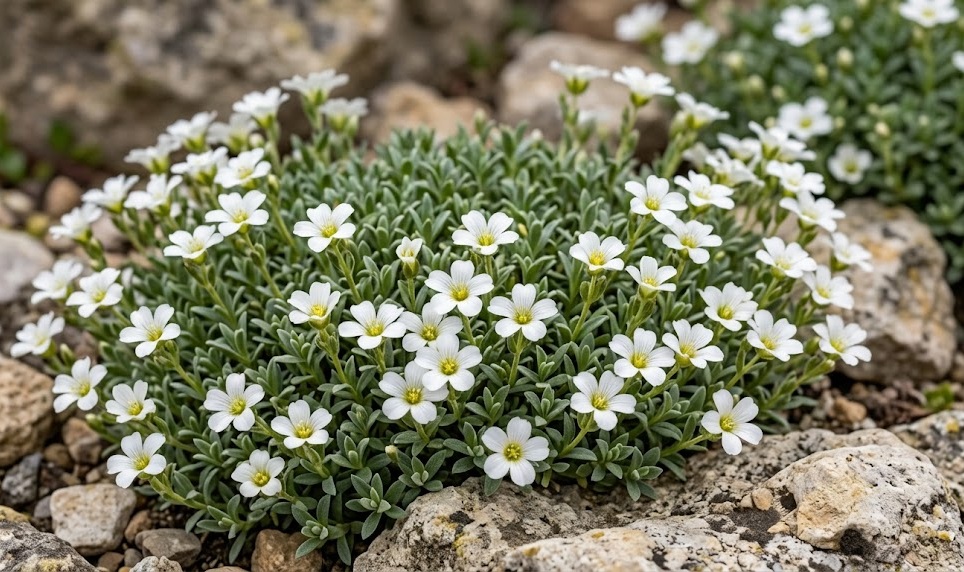

Despite its reputation as a hardy and resilient perennial, mountain sandwort can occasionally fall victim to a variety of diseases and pests. Most issues arise when the plant is stressed by improper environmental conditions, such as excessive moisture or poor air circulation. A professional gardener must be able to recognize the early warning signs of trouble and implement effective, often organic, solutions. Understanding the biology of these threats is the first step in creating a proactive defense strategy that keeps your garden healthy and vibrant throughout the year.
Identifying and managing fungal diseases
Fungal infections are the most common health problems faced by mountain sandwort, particularly in climates with high humidity or frequent rainfall. Crown rot, caused by pathogens like Rhizoctonia or Phytophthora, is a particularly devastating condition that often starts in the center of the mat. You will notice the foliage turning yellow or brown and becoming soft and mushy at the base. This is usually a direct result of poor soil drainage or planting the sandwort too deep in the earth.
To manage crown rot, the first action must be to improve the drainage of the surrounding soil and reduce the frequency of watering. If only a small portion of the plant is affected, you can carefully cut away the diseased sections and treat the area with a copper-based fungicide. However, if the rot has spread to the majority of the root system, it is often better to remove the plant entirely to prevent it from spreading to neighbors. Always sterilize your tools after working with infected plants to avoid cross-contamination.
Botrytis cinerea, also known as gray mold, can affect the flowers and foliage during particularly damp springs. This fungus appears as a fuzzy gray coating on the plant surfaces and can cause the flowers to rot before they fully open. Improving air circulation by thinning out dense growth or spacing plants further apart is the most effective preventative measure. Removing spent flowers and any dead leaves from the interior of the mat also eliminates the organic material that the mold feeds on.
Rust is another fungal issue that occasionally appears as small orange or brown pustules on the undersides of the leaves. While it rarely kills the plant, it can significantly reduce its vigor and aesthetic appeal by causing premature leaf drop. If rust is detected, avoid overhead watering, as the splashing water helps spread the spores from leaf to leaf. Pruning out the most affected areas and applying a sulfur-based spray can help keep the infection under control.
More articles on this topic
Sucking pests and their impact
Aphids are the most frequent insect pests to visit mountain sandwort, especially when the plant is producing tender new growth in the spring. These tiny green or black insects congregate on the stems and undersides of leaves, sucking the sap and weakening the plant. You may notice the leaves curling or becoming distorted, and a sticky substance called honeydew often accumulates on the foliage. This honeydew can then lead to the growth of sooty mold, which further interferes with the plant’s health.
Controlling aphids can often be achieved through simple mechanical methods if the infestation is caught early. A strong stream of water from a garden hose can knock the insects off the plant and disrupt their feeding cycle. For more persistent cases, an application of insecticidal soap or neem oil is highly effective and safe for most beneficial insects. It is important to treat the entire plant, including the hidden areas deep within the mat, to ensure all the pests are reached.
Spider mites are another common threat, particularly during hot and dry summer months when the plant might be slightly water-stressed. These microscopic pests are difficult to see with the naked eye, but their damage is unmistakable: a fine stippling or yellowing of the leaves. In severe cases, you may even see tiny webs spanning across the foliage. Like aphids, spider mites thrive in stagnant air, so maintaining good airflow is a primary defense.
Managing spider mites requires a focus on increasing the local humidity and keeping the plant well-hydrated. Regularly misting the foliage during dry spells can create an environment that is less hospitable to these pests. If chemical intervention is necessary, use a miticide specifically designed for these arachnids, as standard insecticides are often ineffective. Maintaining a healthy population of predatory mites and ladybugs in your garden provides a natural check on spider mite populations.
More articles on this topic
Slugs, snails, and structural damage
The dense, low-growing mats of mountain sandwort provide a perfect hiding spot for slugs and snails during the daylight hours. These mollusks emerge at night to feed on the tender leaves and flowers, leaving behind ragged holes and unmistakable silvery slime trails. In a single night, a large population of slugs can cause significant cosmetic damage to a beautiful flowering carpet. Because they prefer damp environments, they are most active during rainy periods or after evening watering.
The most effective way to manage slugs and snails is to eliminate their hiding places near the plants. Keep the area around your sandwort free of tall weeds, fallen leaves, and wooden debris where these pests like to congregate. Using a gravel mulch is also a great deterrent, as the sharp edges are uncomfortable for the soft bodies of the slugs to cross. This simple cultural practice can drastically reduce the amount of feeding damage you see on your plants.
If you need more direct control, there are several organic slug baits available that are safe for pets and wildlife. These baits typically contain iron phosphate, which is effective at stopping the slugs from feeding without introducing harsh toxins into the garden. Alternatively, placing shallow dishes of beer near the plants can attract and drown the pests overnight. Regular monitoring of your garden at dusk can also help you manually remove any large snails before they do too much damage.
In some regions, small mammals like voles or rabbits may also take an interest in the evergreen foliage of the sandwort. These animals can chew through large sections of the mat, especially during the winter when other food sources are scarce. If you notice large patches of missing foliage, you may need to install a physical barrier like a fine wire mesh over the plants. Repellent sprays made from garlic or pepper can also be effective at discouraging these larger visitors from making a meal of your garden.
Soil-borne pests and root health
While less visible than leaf-eating insects, soil-borne pests can cause significant long-term decline in mountain sandwort. Root-knot nematodes are microscopic worms that live in the soil and feed on the roots, causing small galls or swellings to form. This damage interferes with the plant’s ability to take up water and nutrients, leading to stunted growth and unexplained wilting. Because the symptoms mimic nutrient deficiencies, it is important to inspect the roots if a plant is failing despite proper care.
Managing nematodes is difficult once they are established in the soil, so prevention is the best strategy. Always buy plants from reputable nurseries and avoid moving soil from areas known to be infested. If you do encounter a nematode problem, incorporating large amounts of organic matter like compost can help support beneficial organisms that prey on the worms. Some gardeners also use French marigolds as a companion plant, as their roots release chemicals that are toxic to many nematode species.
Grubs, the larvae of various beetles, can also cause damage by feeding on the roots of the sandwort just below the surface. A heavy grub infestation can cause entire sections of the mat to lift easily from the soil, as the roots have been completely severed. If you notice your plants are losing their grip on the earth or turning brown in patches, check the soil for these C-shaped white larvae. Promoting a healthy garden ecosystem with birds and predatory wasps can help keep beetle populations in check.
For direct control of grubs, beneficial nematodes can be applied to the soil in the spring or autumn. These microscopic organisms seek out and kill the beetle larvae without harming the plants or other beneficial insects. This biological control method is highly effective and aligns with a professional, sustainable approach to garden management. Keeping your plants healthy through proper watering and feeding also makes them much more resilient to minor root damage from soil-dwelling pests.
Integrated pest management and prevention
The most effective way to deal with diseases and pests is to implement an Integrated Pest Management (IPM) strategy. This approach focuses on prevention and uses a hierarchy of control methods, starting with the least invasive options. By maintaining the optimal growing conditions for mountain sandwort—specifically excellent drainage and full sun—you eliminate the stress that makes plants vulnerable. A healthy plant is its own best defense against most common garden threats.
Regular observation is a critical part of the IPM process, allowing you to catch problems while they are still manageable. Spend a few minutes each week inspecting your plants for any unusual spots, holes, or insects. Early intervention, such as pruning out a diseased stem or spraying a small cluster of aphids, is much easier than treating a widespread outbreak. Keeping a garden log can help you identify patterns and predict when certain pests are likely to appear based on the weather.
Diversifying your garden with a variety of plant species also helps prevent the buildup of specific pests and diseases. Monocultures are much more susceptible to devastating losses than a balanced landscape where natural predators can thrive. Planting flowers that attract hoverflies, lacewings, and parasitic wasps provides a constant “security force” for your sandwort. This ecological approach reduces the need for chemical sprays and creates a more stable garden environment.
Finally, always prioritize the health of your soil and the surrounding ecosystem in your maintenance routine. Healthy soil is filled with beneficial fungi and bacteria that actually help protect the roots from pathogens. Avoid the over-use of synthetic chemicals that can kill off these invisible allies and disrupt the natural balance of your garden. By working with nature rather than against it, you can enjoy a beautiful and thriving carpet of mountain sandwort with minimal interference from pests and diseases.