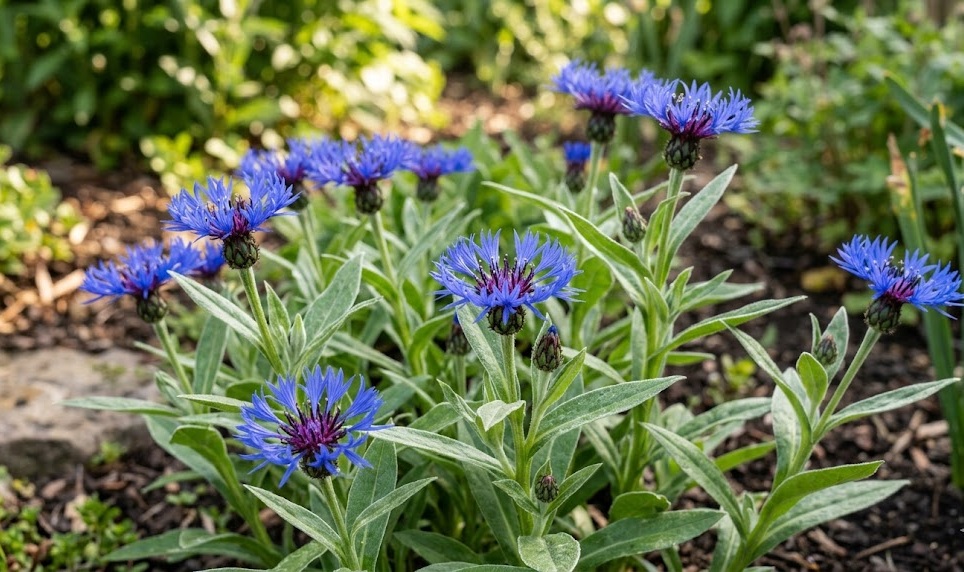

While the mountain cornflower is a rugged and generally trouble-free perennial, it is not entirely immune to the pressures of pests and diseases. In certain environmental conditions, particularly during periods of high humidity or poor air circulation, specific issues can arise that threaten the plant’s health. Professional management focuses on prevention through cultural practices and early identification of symptoms to minimize damage. This chapter details the most common challenges you may face and the best strategies for maintaining a disease-free garden.
Fungal infections are the most frequent health problem encountered by those growing this species in temperate climates. Powdery mildew is perhaps the most recognizable, appearing as a white, flour-like dusting on the surface of the leaves and stems. While it is rarely fatal, it can significantly detract from the plant’s appearance and reduce its overall vigor if left untreated. Understanding the life cycle of these fungi is key to implementing effective control measures before they spread.
Insect pests, though less common than fungal issues, can still cause significant localized damage to the foliage and flowers. Aphids are the primary concern, often congregating on the tender new growth and flower buds in early spring. Their feeding can cause leaves to curl and become distorted, and they can also transmit viral diseases between different plants in the garden. Natural predators often keep these populations in check, but occasionally, more direct intervention is required by the gardener.
Maintaining a clean garden environment is the best defense against the accumulation of pests and disease-overwintering sites. Removing dead foliage and spent flowers at the end of the season reduces the number of places where pathogens and insects can hide. This simple act of sanitation can drastically reduce the incidence of problems in the following growing season. A proactive approach to garden hygiene is a fundamental practice for anyone serious about horticultural excellence.
Managing common fungal diseases
Powdery mildew thrives in conditions where the days are warm and the nights are cool and damp, a common pattern in many spring and autumn landscapes. It spreads via spores that are easily carried by the wind from one plant to another across the garden. To reduce the risk of infection, ensure that your plants have plenty of space for air to move freely through the foliage. Avoid overhead watering, as wet leaves provide the perfect landing site for these opportunistic fungal spores to germinate.
More articles on this topic
If mildew does appear, it is important to act quickly to prevent it from covering the entire plant and spreading to neighbors. Organic sprays based on potassium bicarbonate or neem oil are highly effective at suppressing the fungus without harming beneficial insects. These treatments should be applied at the first sign of symptoms and repeated as necessary throughout the period of high risk. In severe cases, it may be best to cut the plant back to the ground to allow fresh, healthy foliage to emerge.
Rust is another fungal issue that occasionally affects the mountain cornflower, presenting as small, orange or brown pustules on the underside of the leaves. This disease is more common in areas with very high rainfall or where plants are grown in excessively shaded conditions. Affected leaves should be removed and destroyed immediately to prevent the spores from spreading further. Improving the drainage and light levels in the area can help prevent rust from becoming a chronic problem in your garden.
Root rot and crown rot are serious conditions that typically occur when the plant is grown in soil that stays too wet for too long. The first symptoms are often a general yellowing of the plant and a lack of vigor, followed by a complete collapse of the stems. Once rot has taken hold of the crown, the plant is often impossible to save and must be removed to prevent it from spreading. Prevention is the only effective cure, which means ensuring excellent drainage in all areas where the cornflower is planted.
Identifying and controlling insect pests
Aphids are small, soft-bodied insects that come in a variety of colors, including green, black, and red, and feed on the sap of the plant. They tend to cluster in large groups on the undersides of leaves and around the developing flower buds where the tissue is softest. While a few aphids are usually not a major problem, large infestations can stunt the plant’s growth and cause a sticky “honeydew” to accumulate. This substance can lead to the growth of sooty mold, which further disfigures the plant’s appearance.
More articles on this topic
Encouraging natural enemies like ladybugs, lacewings, and parasitic wasps is the most sustainable way to manage aphid populations in the landscape. These beneficial insects can quickly decimate an aphid colony without the need for any chemical intervention from the gardener. Planting a variety of flowering species nearby can help attract these predators and keep them in your garden throughout the season. If the aphids become overwhelming, a strong stream of water from a garden hose can often knock them off the plant.
Spider mites are another potential pest, particularly during the hot, dry spells of mid-summer when the plant may already be under stress. These tiny arachnids are difficult to see with the naked eye, but their presence is revealed by fine webbing and stippled, yellowing leaves. They thrive in dusty, dry conditions, so keeping the area around the plants well-watered and mulch-covered can help deter them. Insecticidal soaps can be used for more serious infestations, but they must be applied thoroughly to both sides of the leaves.
Slugs and snails can occasionally feed on the lower leaves of the mountain cornflower, especially in damp, shaded corners of the garden. They leave behind tell-tale slime trails and irregular holes in the foliage, mostly during the night or on cloudy days. While they rarely cause systemic damage to a mature plant, they can be a nuisance for young seedlings or fresh spring growth. Hand-picking or using organic baits can help keep their numbers under control without introducing toxins into the environment.
Preventative measures and garden hygiene
The foundation of a healthy garden lies in the selection of strong, disease-resistant plant varieties and the provision of optimal growing conditions. A plant that is thriving in its ideal environment is much better equipped to naturally resist the attacks of pests and pathogens. This means paying close attention to the specific needs of the mountain cornflower for light, water, and soil quality right from the start. Prevention is always more effective and less expensive than trying to cure a problem once it has established itself.
Regularly cleaning your gardening tools is an often-overlooked but essential part of preventing the spread of disease between plants. Fungal spores and bacteria can easily hitch a ride on pruning shears or spades as you move from one part of the garden to another. Wiping your tools with a disinfectant solution after each use can significantly reduce the risk of cross-contamination. This simple habit is a mark of a professional approach to landscape maintenance and long-term garden health.
Removing and disposing of infected plant material is critical for breaking the life cycle of many common garden pests and diseases. Never place diseased foliage in your home compost pile, as the heat may not be sufficient to kill the pathogens, leading to their return next season. Instead, burn the affected material or dispose of it in the trash to ensure the spores are completely removed from the site. This “search and destroy” mission is a necessary part of autumn and spring clean-up routines.
Crop rotation, or moving plant families to different parts of the garden over time, can help prevent the buildup of soil-borne diseases. While more difficult with perennials than with annuals, the principle can still be applied by not replanting the same species in the same spot immediately after removal. This allows the soil to naturally recover and reduces the concentration of specific pathogens that target a particular plant group. A dynamic and ever-changing garden layout is often a healthier one in the long run.
Organic and chemical treatment options
When intervention becomes necessary, always start with the least toxic and most targeted methods available to protect the broader ecosystem. Horticultural oils and insecticidal soaps are excellent first-line treatments for many common insect pests and some fungal issues. These products work by physical contact and have a very low impact on non-target species like bees and butterflies once they have dried. Always follow the label instructions carefully and apply these products during the cooler parts of the day to avoid leaf burn.
Neem oil is a versatile organic treatment that acts as both an insecticide and a fungicide, making it a valuable tool for the perennial gardener. It disrupts the feeding and reproductive cycles of many insects and can also help suppress the growth of powdery mildew. Because it is derived from a natural source, it is generally considered safe for use in organic gardening practices. However, it should still be used judiciously to avoid creating an imbalance in the garden’s natural predator-prey relationships.
Synthetic chemical treatments should only be considered as a last resort in cases of severe, systemic infestation that threatens the survival of the planting. These products can have unintended consequences for beneficial soil life and local wildlife, so their use must be carefully managed. If you do choose to use a synthetic fungicide or insecticide, select one that is specifically labeled for the problem you are facing. Always apply these chemicals with the utmost care, following all safety protocols and environmental regulations.
Biological controls, such as the application of beneficial nematodes or specific bacteria like Bacillus thuringiensis, offer a sophisticated way to manage pests. these methods target specific life stages of the pest without affecting other organisms in the garden environment. While they may require more knowledge to use effectively, they are a powerful tool in the arsenal of the modern, ecologically-minded horticulturist. Using nature to control nature is the ultimate goal of integrated pest management strategies.
Building long term plant resilience
Long-term health is built through the consistent application of sound horticultural principles rather than a series of emergency interventions. By focusing on soil health and proper irrigation, you create a robust plant that can largely take care of itself. A resilient plant is one that can tolerate a few aphids or a bit of mildew without its overall growth or flowering being compromised. This ecological balance is the sign of a mature and well-managed garden space.
Genetic diversity within the garden can also help prevent the widespread loss of plants to a single disease or pest outbreak. By planting different varieties of cornflowers and mixing them with other species, you create a “barrier” that slows the spread of pathogens. A monoculture, where one species is grown exclusively over a large area, is always more vulnerable to catastrophic failure. Diversity is not just an aesthetic choice; it is a fundamental strategy for creating a stable and healthy landscape.
The weather will always play a significant role in the health of your garden, and some years will simply be more challenging than others. Accepting that some level of damage is a natural part of the gardening process can help reduce the stress associated with managing pests. Professional gardeners focus on the “big picture,” ensuring that the overall health of the garden remains strong despite the occasional setback. This philosophical approach allows for a more enjoyable and sustainable relationship with the natural world.
Continuing to educate yourself about the specific needs and potential problems of your plants is the best way to stay ahead of the curve. New pests and diseases can arrive in an area at any time, and being able to identify them quickly is essential for effective management. Joining local gardening clubs or following university agricultural extensions can provide you with the latest information and support. Knowledge is the most powerful tool in any gardener’s belt when it comes to protecting the beauty of the landscape.