
Preventing common fungal infections
Maintaining a healthy environment is the first line of defense against the fungal diseases that can affect your garden. Fungal spores thrive in damp and stagnant conditions where there is very little air movement around the leaves. You should ensure that your plants are spaced properly to allow for maximum ventilation throughout the growing season. Preventing the foliage from staying wet for too long is the most effective way to keep fungi at bay.
Leaf spot is one of the most common fungal issues you might encounter in a dense patch of these plants. It typically appears as small brown or yellowish spots on the surface of the green leaves. If left untreated, these spots can merge and cause the entire leaf to wither and die prematurely. Removing any affected leaves as soon as you see them can help stop the spread of the infection.
Botrytis blight, also known as gray mold, can sometimes attack the delicate flowers and stems during very wet springs. This fungus causes a fuzzy gray growth to appear on the plant tissues, leading to rapid decay. You should avoid overhead watering during the blooming period to keep the flowers as dry as possible. If the weather is consistently rainy, you may need to use a preventative organic fungicide.
Cleaning up the garden in the autumn is essential for reducing the amount of fungal spores that overwinter in the soil. You should remove and dispose of all dead foliage and debris before the first snow falls. Do not add diseased plant material to your compost pile, as the heat may not be enough to kill the spores. A tidy garden in the fall leads to a much healthier start for the plants in the spring.
Managing slug and snail populations
Slugs and snails are the most frequent pests that will try to feast on the tender leaves of your plants. They are particularly active during damp weather and can cause significant damage in a very short amount of time. You will often see large, irregular holes in the foliage or silvery slime trails left behind on the soil. These pests are most active at night when the humidity is high and the sun is down.
More articles on this topic
There are several organic methods you can use to control these slimy intruders without resorting to harsh chemicals. Hand-picking the slugs in the evening or early morning is a very effective way to reduce their numbers. You can also place beer traps or copper tape around the perimeter of the garden beds to deter them. Creating a barrier of crushed eggshells or diatomaceous earth can also help protect the delicate stems.
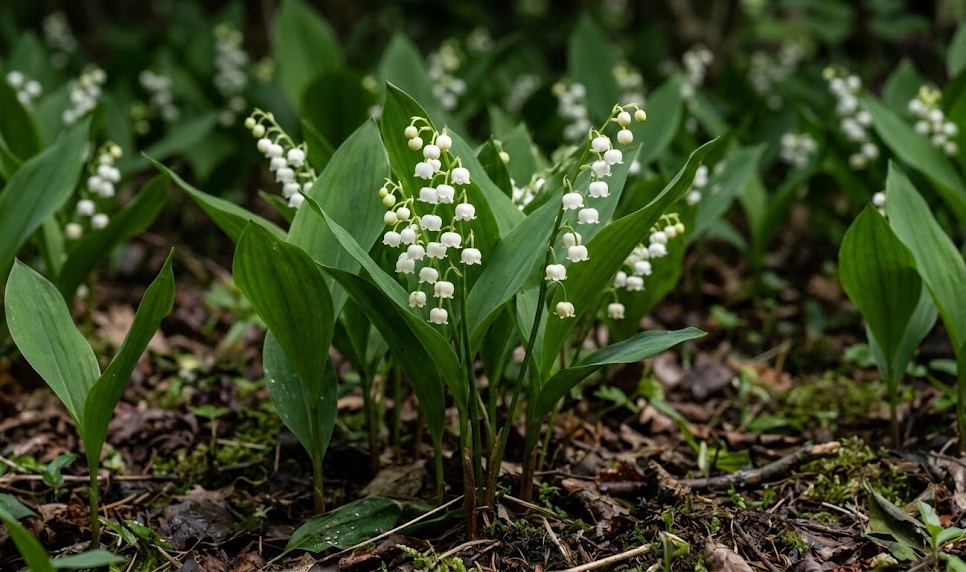
Removing potential hiding spots will make your garden much less attractive to slugs and snails throughout the year. They love to hide under large rocks, pieces of wood, or thick layers of debris during the day. Keeping the area around your lily of the valley clean and well-maintained will naturally limit their population. A proactive approach to pest management is always better than trying to fix the damage after it happens.
In severe cases, you may need to use organic slug pellets that are safe for pets and other wildlife in the garden. These products usually contain iron phosphate, which is effective against slugs but breaks down into harmless soil nutrients. Always use these products sparingly and only when the pest pressure is high enough to justify it. Maintaining a balanced ecosystem with natural predators like toads will also help keep the slugs in check.
Dealing with nematodes and root issues
Root-knot nematodes are tiny, microscopic worms that live in the soil and feed on the underground rhizomes. They cause small galls or swellings to form on the roots, which interferes with the plant’s ability to take up water. You might notice that your plants look wilted or stunted even when the soil is perfectly moist. Diagnosing a nematode problem usually requires a closer inspection of the root system itself.
More articles on this topic
If you suspect a nematode infestation, you should carefully dig up a small section of the colony to check for root damage. Healthy rhizomes should be smooth and firm, while infested ones will look distorted and lumpy. Unfortunately, there is no easy cure for nematodes once they are established in a garden bed. You may need to remove the entire colony and solarize the soil to kill the pests before replanting.
Root rot is another serious issue that can be caused by various soil-borne pathogens in poorly drained areas. This problem is almost always linked to excessive moisture and a lack of oxygen in the root zone. The rhizomes will become soft, mushy, and often emit a foul odor as they begin to decay. Improving the soil drainage is the only long-term solution for preventing root rot in your flower beds.
Using clean, healthy planting material is the best way to prevent soil-borne issues from entering your garden. You should always inspect any new pips or rhizomes you purchase for signs of disease or pest damage. Quarantining new plants in a separate area for a season can also help you identify any problems before they spread. Starting with healthy stock is a fundamental rule for professional and successful gardening.
Controlling aphids and small sap-suckers
Aphids are small, soft-bodied insects that can occasionally cluster on the new growth and flower buds of the plants. They feed by sucking the sap from the tissues, which can cause the leaves to become curled or distorted. While a few aphids are usually not a major problem, a large infestation can weaken the entire plant. You can often see them as tiny green or black specks on the undersides of the foliage.
A strong stream of water from a garden hose is often enough to knock aphids off the plants and reduce their numbers. You should repeat this process every few days until the infestation is under control and the plants look healthy. This mechanical method is safe, effective, and does not harm the beneficial insects that live in your garden. It is a simple solution that every gardener should have in their toolkit for pest management.
If the aphids persist, you can use a mild solution of insecticidal soap or neem oil to treat the affected areas. These organic treatments work by smothering the insects and disrupting their life cycle without leaving toxic residues. You should apply these products in the late afternoon when the sun is not directly hitting the foliage to avoid leaf burn. Always test a small area first to ensure the plant does not have a negative reaction.
Encouraging natural predators like ladybugs and lacewings is the best long-term strategy for controlling aphid populations. You can plant a variety of flowers nearby that provide food and shelter for these helpful insects. A diverse garden environment will naturally balance out pest outbreaks before they become a serious problem. Professional gardeners often focus on supporting these natural cycles rather than relying on sprays and chemicals.
Protecting the garden from larger animals
While the plants are toxic to many mammals, some animals may still cause physical damage to the garden beds. Deer and rabbits usually avoid eating the foliage, but they can easily trample the delicate stems as they move through. If you live in an area with high wildlife activity, you may need to install some form of physical protection. Fencing or decorative borders can help guide animals away from your most sensitive planting areas.
Dogs and cats can also cause issues by digging in the soft, moist soil that these plants love so much. You should monitor your pets when they are in the garden to ensure they do not disturb the shallow rhizomes. Placing some prickly branches or decorative stones on the surface of the soil can discourage digging behavior. Keeping the garden beds separate from pet play areas is a practical solution for most homeowners.
It is important to remember that all parts of the lily of the valley are highly toxic if they are ingested by humans or animals. You should always wear gloves when handling the plants and wash your hands thoroughly when you are finished. If you have small children or curious pets, you must ensure they are supervised when near the flower beds. Education and awareness are the best ways to keep everyone safe while enjoying these beautiful flowers.
Labeling your garden beds clearly can help visitors understand that the plants are not meant for consumption. You can use professional-looking garden markers to identify the species and provide a gentle warning if necessary. This professional touch not only adds to the aesthetic but also serves a very practical safety purpose. A well-managed garden is one that is both beautiful to look at and safe for everyone who visits it.