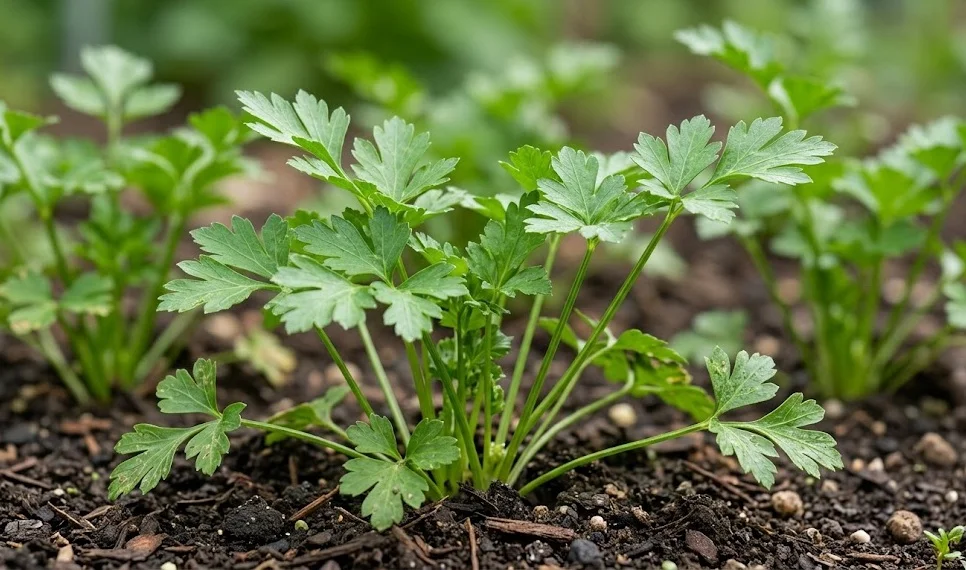

Diseases and pests of leaf parsley can quickly decimate a healthy crop if they are not identified and managed with professional expertise. While parsley is generally a hardy herb, its dense growth habit can create microclimates that are conducive to fungal pathogens and various insects. An integrated pest management strategy is the best way to protect your plants while minimizing the use of harsh chemical interventions. Understanding the lifecycle of common threats allows you to intervene at the most effective moment to save your harvest.
Fungal infections, such as powdery mildew and leaf spot, are among the most common issues faced by parsley growers in humid climates. These diseases typically appear as white dusty coatings or small brown lesions on the foliage, which can eventually lead to the death of the affected leaves. To prevent these outbreaks, you must ensure proper plant spacing to allow for maximum airflow and avoid watering the leaves directly. If an infection is detected, removing the diseased foliage immediately and disposing of it away from the garden can stop the spread.
Root rot is another significant concern, particularly in heavy soils that do not drain properly or during periods of excessive rainfall. This condition is caused by soil-borne pathogens that attack the plant’s vascular system, leading to sudden wilting even when the soil is wet. Once root rot takes hold, it is very difficult to treat, making prevention through soil aeration and proper site selection crucial. If you lose plants to this issue, it is important to rotate your crops and avoid planting parsley or related species in that spot for several years.
Insects like aphids and carrot rust flies are the primary pests that target leaf parsley throughout the growing season. Aphids tend to cluster on the undersides of the leaves and the tender new growth, sucking the sap and causing the foliage to curl and distort. A strong stream of water can often dislodge these pests, but for persistent infestations, an organic insecticidal soap may be necessary. The carrot rust fly larvae are more insidious, as they tunnel into the roots, weakening the plant and making it susceptible to secondary infections.
The parsley worm, which is the caterpillar of the black swallowtail butterfly, is a frequent visitor that can consume a large amount of foliage in a short time. While these caterpillars are beautiful and eventually turn into beneficial pollinators, their presence can be problematic in a production-focused garden. Many gardeners choose to hand-pick these larvae and move them to a wild patch of Queen Anne’s Lace rather than using pesticides. This approach balances the need for a harvest with the desire to support local biodiversity and beneficial insect populations.
More articles on this topic
A proactive monitoring routine is the most effective tool in your arsenal against the various diseases and pests that threaten parsley. Walking through your garden beds daily allows you to spot the first signs of trouble before they become a widespread crisis. Using yellow sticky traps can help you monitor the presence of flying insects, while regular soil inspections can reveal early signs of root distress. By maintaining a clean garden environment and healthy plants, you naturally increase their resistance to the stressors that lead to disease and pest outbreaks.