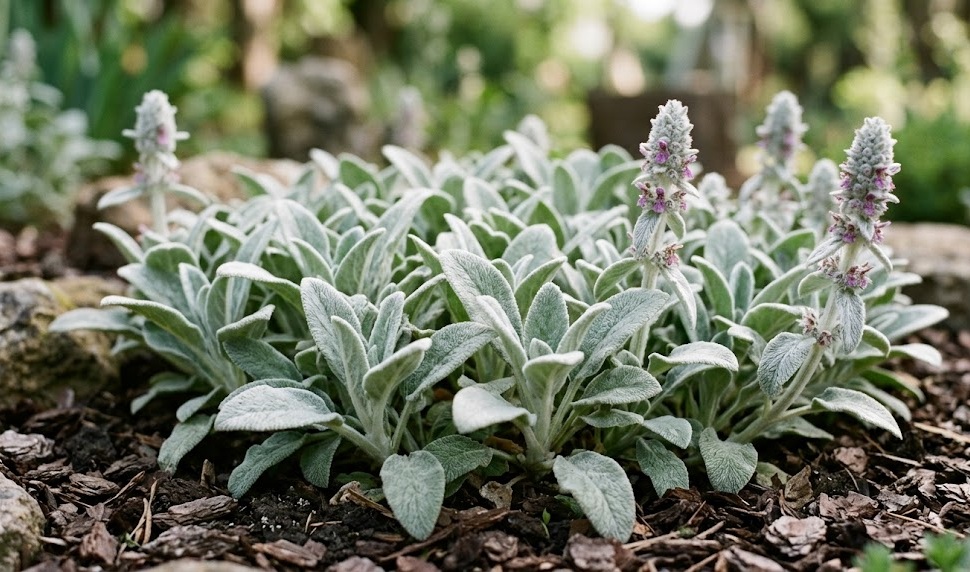

Maintaining the health of lamb’s ear involves a proactive approach to identifying and managing potential biological threats. While this perennial is generally robust and resistant to many common garden problems, its unique foliage creates specific vulnerabilities. The dense, woolly leaves that make it so attractive can also provide a habitat for certain pests and diseases if environmental conditions are not ideal. Understanding these risks and knowing how to respond professionally will ensure your silver garden remains vibrant and healthy.
Powdery mildew and fungal foliage issues
Powdery mildew is one of the most common fungal diseases that can affect the appearance of lamb’s ear, especially in stagnant air. It manifests as a white, flour-like coating on the leaves, which can eventually lead to yellowing and premature leaf drop. This issue is typically driven by a combination of high humidity and poor air circulation around the plants. You should regularly inspect the center of your clumps, as this is often where the first signs of mildew appear.
To manage powdery mildew, the primary strategy should be improving the environment rather than relying solely on chemical treatments. Thinning out the plants to increase the space between them can significantly reduce the moisture levels within the foliage mat. If the infection is localized, removing the affected leaves and disposing of them away from the garden can slow the spread. Always ensure that you are not watering from above, as wet leaves are much more susceptible to fungal spores.
In cases where the mildew persists despite environmental adjustments, a gentle fungicide may be necessary to protect the plant. Look for products that are specifically labeled for use on ornamental perennials and follow the application instructions carefully. Some gardeners find success with organic solutions like a diluted milk spray or neem oil, which can inhibit fungal growth without harsh chemicals. Consistency in application is key, especially during the humid transitions of late spring and early summer.
Preventative care is the best defense against any fungal issue that might threaten your silver borders. By selecting a planting site with full sun and excellent drainage, you are already eliminating the conditions that fungi love most. Keep the area around your plants free of fallen debris and dead leaves, which can trap moisture and harbor dormant spores over the winter. A clean, airy garden is naturally more resilient to the challenges posed by powdery mildew and its relatives.
More articles on this topic
Identifying and preventing root rot
Root rot is perhaps the most serious threat to the survival of a lamb’s ear patch, and it is almost always caused by excessive moisture. When the soil remains saturated for long periods, soil-borne pathogens can attack the root system and the base of the plant’s crown. You will notice the plant suddenly wilting, even if the soil is wet, and the leaves at the base may turn a mushy brown. Once root rot has set in, it can be very difficult to save the individual plant, as the damage is often extensive.
The most effective way to prevent root rot is to ensure that your soil drainage is absolutely impeccable from the day you plant. If you find that a particular area of your garden consistently stays damp, it is best to move the lamb’s ear to a higher or sandier location. You can also improve drainage in existing beds by incorporating grit or creating small mounds for the plants to sit on. The goal is to keep the “neck” of the plant dry and well-ventilated at all times.
If you suspect a plant is suffering from root rot, you should act quickly to prevent the disease from spreading to neighboring healthy plants. Dig up the affected plant and inspect the roots; healthy roots should be firm and pale, while rotting roots will be dark, slimy, and have an unpleasant odor. If the damage is limited, you may be able to trim away the rot and replant the healthy section in a drier spot. However, if the crown is completely soft, it is best to remove and destroy the entire plant to protect the rest of the colony.
Professional maintenance involves monitoring the soil moisture levels carefully, especially during rainy seasons or after heavy irrigation. You should never allow water to pool around the base of the lamb’s ear, even for a few hours. By maintaining a loose, porous soil structure, you are providing the roots with the oxygen they need to stay healthy and fight off potential pathogens. Root rot is a problem of environment, and its solution lies in proper site management and careful observation.
More articles on this topic
Managing slugs and snails in the foliage
The dense, low-growing mat of lamb’s ear provides a perfect, damp shelter for slugs and snails during the heat of the day. While these pests may not eat the woolly leaves as readily as they do hostas, they can still cause significant damage to the young, tender growth. You might notice ragged holes in the leaves or the characteristic silvery slime trails left behind as they move through the patch. In large numbers, these pests can quickly disfigure a beautiful silver border.
To control slugs and snails professionally, you should focus on making the environment less hospitable for them. Clearing away dead foliage and debris from beneath the lamb’s ear removes the hiding spots they use to survive the sun. You can also use physical barriers like copper tape or crushed eggshells around the perimeter of the patch to deter them from entering. These methods are non-toxic and can be very effective if maintained throughout the growing season.
If the population of pests becomes overwhelming, you might consider using organic slug pellets that are safe for pets and wildlife. These products typically contain iron phosphate, which is effective against slugs but breaks down into natural soil nutrients. Applying the pellets in the evening when the pests are most active will yield the best results. Alternatively, hand-picking them at night with a flashlight is a direct, albeit time-consuming, way to reduce their numbers.
Encouraging natural predators into your garden is a long-term strategy for keeping pest populations in balance. Toads, ground beetles, and certain birds all feed on slugs and snails and can help keep your lamb’s ear patch clean. By creating a diverse and healthy garden ecosystem, you reduce the need for intensive human intervention. A few holes in a leaf here and there are often a small price to pay for a balanced and chemical-free outdoor space.
Dealing with leaf-eating insects and aphids
Occasionally, you might find other insects like aphids or small caterpillars taking an interest in your lamb’s ear plants. Aphids are tiny, sap-sucking insects that tend to cluster on the undersides of leaves or on the tender new growth at the center. They can cause the foliage to become distorted or sticky with honeydew, which in turn can attract sooty mold. While a few aphids are rarely a threat to the plant’s life, a large infestation can weaken it over time.
A strong blast of water from a garden hose is often enough to dislodge aphids and reduce their numbers significantly. You must be careful to do this on a sunny morning so that the foliage has plenty of time to dry out afterward. For more persistent insect problems, an insecticidal soap or neem oil spray can be used to treat the affected areas. These treatments are most effective when applied directly to the insects themselves, so be sure to check the hidden parts of the plant.
Caterpillars and other leaf-eating larvae may occasionally chew on the edges of the leaves, leaving behind uneven margins. In most cases, the damage is purely cosmetic and the plant will quickly outgrow it as new leaves emerge. You can simply pick off any visible caterpillars and move them to a less sensitive part of the garden or a wild area. Avoiding broad-spectrum insecticides is important, as these can kill the beneficial insects that help control pests naturally.
Monitoring your plants regularly allows you to catch insect activity before it turns into a full-blown infestation. You should look for signs of webbing, discoloration, or unusual clusters of insects as part of your weekly garden walkthrough. A healthy lamb’s ear that is grown in the right conditions is much better at defending itself against insect attacks. By supporting the plant’s overall vigor, you are also enhancing its natural resistance to common garden pests.
Preventive measures for long-term protection
The most effective way to manage any pest or disease is to prevent it from ever gaining a foothold in your garden. This starts with choosing healthy plants from a reputable nursery and inspecting them thoroughly before bringing them home. Once they are in the ground, providing the optimal balance of light, water, and air is your best tool for success. A plant that is stressed by its environment is always more vulnerable to external threats than one that is thriving.
Crop rotation and spacing are professional techniques that can be adapted for the home garden to reduce disease pressure. If you have had recurring problems with a specific disease in one area, consider moving the lamb’s ear to a different part of the garden for a few seasons. This breaks the life cycle of soil-borne pathogens and allows the ground to recover. Ensuring that your garden isn’t overcrowded will also help keep the air moving and the humidity levels low.
Proper tool hygiene is another critical component of a professional plant health program. You should always clean and disinfect your pruning shears after working on a diseased plant to avoid spreading the issue to healthy ones. A simple solution of rubbing alcohol or diluted bleach is sufficient for sanitizing your equipment between uses. This small habit can prevent the accidental transmission of viruses and fungal spores throughout your entire landscape.
Finally, remember that a perfectly pristine garden is rarely a natural one, and a few minor issues are part of the gardening experience. Your goal should be to maintain a healthy and vibrant display while being prepared to intervene when necessary. By understanding the common challenges faced by lamb’s ear, you can act with confidence and expertise. With a little care and attention, your silver-leaved treasures will continue to flourish and beautify your outdoor space.