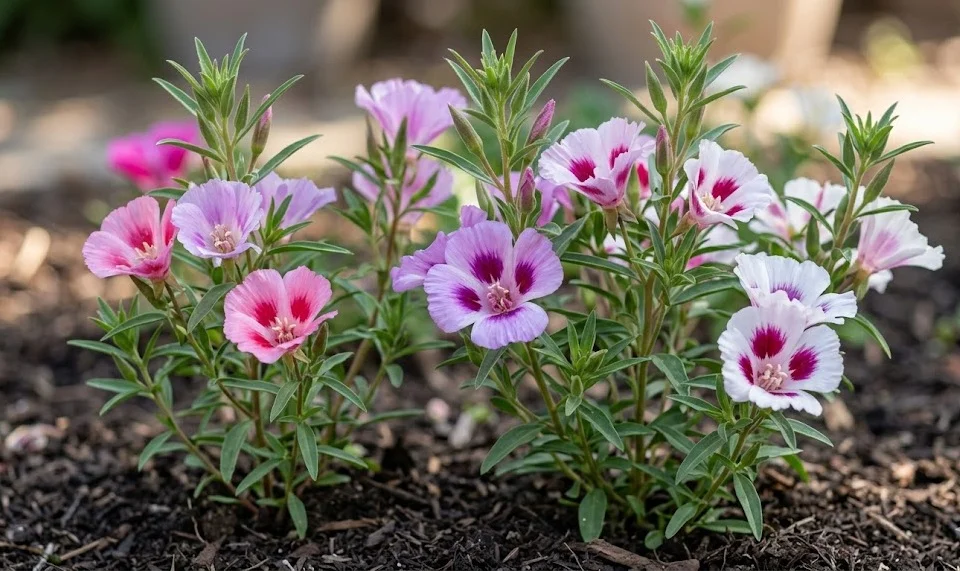

Maintaining a vigilant eye for potential health issues is a fundamental part of managing a successful garden filled with godetia. While these plants are generally robust, they can occasionally fall victim to specific fungal problems or hungry insects that are common in many landscapes. Understanding the early warning signs of distress allows you to intervene quickly and use the most appropriate methods for resolution. By creating a healthy environment and using targeted treatments, you can protect your floral display and ensure the plants reach their full potential.
Fungal issues
Damping off is a common fungal problem that can strike very young seedlings before they have a chance to establish themselves. You should notice the stems becoming thin and watery at the soil line, causing the tiny plants to collapse suddenly. This issue is often caused by overly wet conditions and a lack of fresh air movement around the new sprouts. To prevent this, you should ensure your soil has excellent drainage and avoid overwatering during the first few weeks of growth.
Powdery mildew is another challenge that often appears when the weather is warm and the humidity levels are high. You should look for a white, flour-like coating on the surface of the leaves and stems of your flowers. This fungus can sap the energy from the plant and cause the foliage to become distorted or drop off prematurely. Increasing the spacing between your plants and watering only at the base can help keep the leaves dry and less susceptible to infection.
Root rot can occur if the plants are forced to sit in heavy, saturated soil for an extended period of time. You should suspect this issue if the plant appears wilted even though the ground is clearly wet to the touch. The roots may turn brown and mushy, losing their ability to transport water and nutrients to the upper parts of the plant. Improving the soil structure with organic matter or moving the plants to a higher location can often prevent this hidden problem from taking hold.
Leaf spot diseases can manifest as small, dark circles or irregular patches on the foliage of your garden plants. You should remove any affected leaves as soon as you see them to prevent the spores from spreading to healthy tissue. It is also a good idea to clear away any fallen plant debris from the surface of the soil where fungi might overwinter. Keeping the garden clean and tidy is one of your best defenses against the long-term presence of fungal pathogens.
More articles on this topic
Identifying common pests
Aphids are small, soft-bodied insects that you will often find clustered on the tender new growth or the undersides of leaves. They feed by sucking the sap from the plant, which can lead to curled foliage and a general loss of vigor. You might also notice a sticky substance known as honeydew on the leaves, which can attract other insects like ants. A strong stream of water from your garden hose is often enough to knock these pests off and keep their numbers under control.
Slugs and snails can be particularly destructive to young plants during the damp nights of early summer. You should look for large, irregular holes in the leaves and the telltale silver trails of slime they leave behind on the ground. These nocturnal visitors can quickly devour a small patch of seedlings if they are left to their own devices. Using physical barriers or copper tape around the edges of your beds can help deter these pests from reaching your flowers.
Spider mites are tiny arachnids that are often difficult to see without the help of a magnifying glass. You should watch for fine, silken webbing between the leaves and a speckled or bronzed appearance on the foliage. These pests thrive in hot, dry conditions where the plants may already be under some level of environmental stress. Maintaining a regular watering schedule and occasionally misting the plants can help create an environment that these mites find less appealing.
Caterpillars of various species may occasionally find the leaves of your flowers to be a tasty source of food. You should check for chewed leaf edges and small dark droppings on the foliage as a sign of their presence. While a few caterpillars are usually not a major problem, a large population can significantly defoliate the plants in a short time. Hand-picking them off and moving them to a different part of the yard is a simple and effective way to manage their impact.
More articles on this topic
Preventative measures
Crop rotation is a professional technique that you can adapt for your own flower beds to reduce the buildup of pests and diseases. You should avoid planting the same species in the exact same spot year after year, as this can allow specific pathogens to become established in the soil. Moving your floral displays to different parts of the garden helps to break the lifecycle of many common garden problems. This simple change in your annual plan can lead to much healthier and more vibrant results over time.
Selecting disease-resistant varieties is another proactive step you can take when you are planning your garden layout. You should look for information on seed packets or in catalogs that mentions a particular strain’s ability to withstand common issues. Many modern cultivars have been bred specifically for their robust health and their ability to thrive in a wider range of conditions. Starting with strong genetic material gives you a significant advantage before the growing season even begins.
Promoting a diverse garden ecosystem encourages natural predators to take up residence in your backyard or farm. You should include a variety of plants that provide habitat and food for beneficial insects like ladybugs, lacewings, and predatory wasps. These natural allies will work around the clock to keep the populations of aphids and other pests in balance. A garden that is full of life is often much more resilient than one that relies solely on external interventions for protection.
Maintaining the overall health and vigor of your plants is the best way to ensure they can resist potential attacks. You should provide the optimal balance of light, water, and nutrients so that the plants are not stressed and vulnerable. Healthy plants have their own natural defense mechanisms that can often fend off minor issues without any help from the gardener. Your role is to provide the stable foundation that allows these natural processes to work effectively throughout the summer.
Natural remedies
Neem oil is a versatile and organic option that you can use to manage a wide range of both insect pests and fungal diseases. You should mix it with water according to the instructions and apply it as a gentle spray to the affected areas of the plant. It works by disrupting the lifecycle of insects and creating a protective barrier against fungal spores on the leaves. Because it is derived from a natural source, it is generally safer for beneficial insects and the environment than many synthetic chemicals.
Insecticidal soaps are another effective tool for dealing with soft-bodied pests like aphids and whiteflies. You should apply the soap solution directly to the insects, as it works by breaking down their outer membranes and causing them to dehydrate. This treatment is most effective when it is used as soon as you notice the first signs of an infestation in your garden. Regular applications may be necessary to catch new generations of pests as they emerge from their eggs.
Baking soda sprays can be a simple and inexpensive way to manage early signs of powdery mildew on your flowers. You should dissolve a small amount of baking soda in water with a drop of mild liquid soap to help it stick to the foliage. This mixture changes the pH level on the surface of the leaves, making it much harder for the fungus to grow and spread. Using this remedy at the first sign of white spots can save you a lot of trouble later in the season.
Encouraging birds to visit your garden can provide an extra layer of pest control that is completely natural and self-sustaining. You should provide bird baths, feeders, and nesting sites to make your yard a welcoming place for various insect-eating species. Many birds will spend their days scanning your plants for caterpillars, beetles, and other large pests that might be causing damage. This partnership with nature adds beauty to your outdoor space while helping you maintain a healthy and productive garden.
Managing severe outbreaks
If a particular plant becomes heavily infested or diseased, you must sometimes make the difficult decision to remove it entirely. You should carefully lift the affected individual from the soil, taking care not to shake any pests or spores onto neighboring plants. It is important to dispose of this material in the trash rather than putting it into your compost pile, where the issues might survive and return. This proactive step protects the rest of your garden and prevents the problem from becoming an epidemic.
During a severe outbreak, you might need to reconsider your watering and maintenance routines to help the surviving plants recover. You should reduce any supplemental water if the issue is fungal, or increase hydration if the plants are struggling with heat-loving pests. Pruning away the most damaged parts of the foliage can also help the plant focus its remaining energy on new, healthy growth. Giving the garden a bit of extra space and attention during a crisis can often turn the situation around.
Documenting the details of the outbreak can provide you with valuable information for your future garden planning. You should take notes on when the problem started, which varieties were most affected, and which treatments seemed to work best. This personal record becomes a professional resource that helps you anticipate and prevent similar issues in the coming years. Understanding the patterns of your local environment is a key part of becoming a truly expert gardener.
Re-evaluating the placement and environmental conditions of your beds can help you identify why a severe outbreak occurred in the first place. You should ask yourself if the area was too shaded, too damp, or if the soil was lacking in essential nutrients. Sometimes a simple change in location or a minor adjustment to the soil can make all the difference for the next planting cycle. Every challenge in the garden is an opportunity for you to learn more and improve your skills for the future.