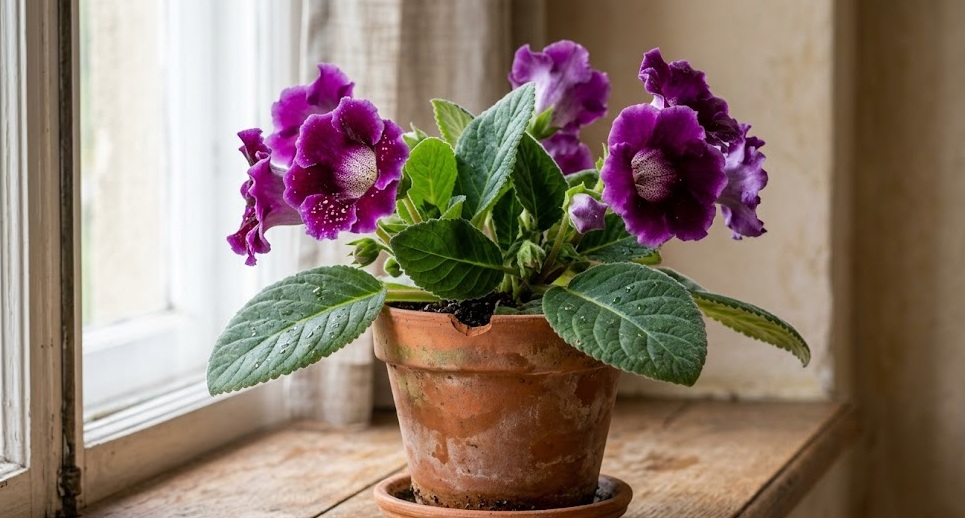

Protecting a gloxinia from biological threats is a critical aspect of professional horticultural management. Due to their succulent leaves and fleshy tubers, these plants are particularly susceptible to certain pathogens and insects. A proactive approach involving regular inspections and high standards of hygiene is the best way to prevent an outbreak. Understanding the signs of trouble early allows for targeted treatments that can save the plant and prevent the spread of issues to the rest of a collection.
Managing common fungal infections
The most frequent disease encountered when growing these plants is Gray Mold, caused by the fungus Botrytis cinerea. This pathogen thrives in cool, damp conditions with poor air circulation and manifests as fuzzy gray spots on the leaves and flowers. It can rapidly spread through a collection if infected tissue is not removed immediately. Maintaining a dry environment and ensuring that water never touches the foliage are the primary defenses against this threat.
Root and tuber rot are devastating fungal issues that are almost always caused by excessive moisture in the soil. The plant will often appear to wilt even when the soil is wet, as the damaged roots can no longer transport water. If the tuber becomes soft and mushy, it is usually impossible to save the plant. Prevention through the use of well-draining soil and careful watering is far more effective than any chemical treatment.
Powdery mildew can also appear as a white, flour-like dusting on the surface of the leaves during periods of high humidity. While it is rarely fatal, it can significantly weaken the plant and ruin its aesthetic appeal. Improving air movement around the plant and reducing the ambient humidity will often halt the growth of the fungus. In severe cases, a professional-grade fungicide specifically formulated for indoor plants may be necessary.
Leaf spot diseases can be caused by various fungi and result in circular or irregular brown patches on the foliage. These spots often have a yellow halo and can merge to kill entire leaves if left untreated. Removing the affected leaves and improving the cultural conditions are the first steps in management. It is vital to use sterile tools when pruning to avoid spreading fungal spores from one plant to another.
More articles on this topic
Viral and bacterial threats
Viruses are particularly dangerous because there are no effective cures once a plant has become infected. Symptoms often include mottled or streaked leaves, distorted growth, and irregular patterns on the flower petals. If a virus is suspected, the plant should be isolated immediately to prevent transmission via insects or pruning tools. In most professional settings, infected plants are destroyed to protect the integrity of the entire collection.
Bacterial soft rot can cause the stems and tubers to disintegrate into a foul-smelling, liquid mass. This condition is often introduced through contaminated soil or infected propagation material. There is no reliable treatment for a plant that has reached this stage of infection. Careful sourcing of tubers and using only sterilized potting media are the only ways to ensure a clean growing environment.
The spread of both viruses and bacteria is often facilitated by pests such as aphids or thrips. These insects act as vectors, moving pathogens from one host to another as they feed on the plant sap. Controlling the insect population is therefore a key part of any disease management strategy. A professional grower views pest control and disease prevention as two sides of the same coin.
Hygiene is the most powerful tool for preventing the introduction of these invisible threats. Always wash hands after handling different plants and sterilize all cutting instruments with alcohol or a bleach solution. Avoid buying plants that show any signs of suspicious spotting or stunted growth, even if they are on sale. Starting with healthy, certified stock is the foundation of a disease-free garden.
More articles on this topic
Identifying common insect pests
Cyclamen mites are tiny, microscopic pests that can cause significant damage before they are even noticed. They tend to congregate in the growing tips, causing the new leaves to become stunted, twisted, and brittle. Because they are invisible to the naked eye, the damage they cause is often mistaken for a viral infection or nutritional deficiency. Specialized miticides are usually required to eliminate an infestation of these persistent creatures.
Aphids are small, soft-bodied insects that cluster on the undersides of leaves and on developing flower buds. They suck the sap from the plant, causing the foliage to curl and lose its vigor. They also excrete a sticky substance called honeydew, which can lead to the growth of black sooty mold. A gentle spray of water or the application of insecticidal soap is usually sufficient to control a minor aphid problem.
Mealybugs appear as small, white, cottony masses in the leaf axils or on the undersides of the foliage. These insects are slow-moving but can quickly multiply and weaken the plant by feeding on its vital juices. They are often difficult to reach with sprays due to their waxy protective coating. Dabbing the individual insects with a cotton swab dipped in rubbing alcohol is an effective and targeted way to remove them.
Thrips are very small, slender insects that feed on the flower buds and leaves, causing silver-colored streaks or brown spots. Their feeding can cause flowers to open improperly or fall off prematurely, ruining the season’s display. They are particularly difficult to control because they spend part of their life cycle in the soil. Using blue or yellow sticky traps can help monitor their presence and reduce their numbers.
Integrated pest management strategies
The most effective approach to pest control is a combination of cultural, mechanical, and chemical methods. Keeping the plants healthy and well-fed makes them more resilient and less attractive to many pests. Regularly cleaning the leaves with a damp cloth can physically remove many insects before they establish a large colony. This mechanical control is often all that is needed for a small indoor collection.
If chemical intervention becomes necessary, it is important to choose the least toxic option that will still be effective. Neem oil and insecticidal soaps are excellent choices for many common pests and have minimal impact on the environment. Always follow the manufacturer’s instructions exactly and apply the treatment in the evening to avoid leaf burn. It is better to treat the plant multiple times with a mild product than once with a harsh chemical.
Isolation of any new plants for at least two weeks is a standard professional practice to prevent the introduction of pests. This quarantine period allows any hidden insects or diseases to manifest before the new arrival joins the main collection. It is much easier to treat a single plant in isolation than to manage an outbreak across an entire room. Vigilance at the point of entry is a hallmark of a disciplined grower.
Encouraging natural predators like ladybugs or lacewings is another component of integrated management, though this is more applicable in a greenhouse setting. For indoor growers, the focus remains on exclusion and early detection. Using a magnifying glass to inspect the plants weekly can reveal the presence of pests while they are still manageable. A professional eye for detail is the best defense against any biological threat.
Preventive measures for long-term health
The environmental conditions in which the plant is grown play a huge role in its overall resistance to pests and diseases. Providing the correct amount of light, water, and air circulation creates a robust specimen that can survive minor challenges. Plants that are stressed by too much heat or insufficient light are much more likely to fall victim to pathogens. Good culture is the most effective form of preventative medicine.
Regularly refreshing the soil and using clean pots prevents the buildup of soil-borne pests and fungi. Old soil can harbor eggs and spores that remain dormant for long periods until a suitable host is present. Investing in high-quality, sterile potting mixes is a small price to pay for the health of a valuable collection. Cleanliness in the potting area is just as important as cleanliness on the plant itself.
Monitoring the humidity levels is crucial for preventing both fungal diseases and certain pests like spider mites. While these plants enjoy high humidity, it must be accompanied by adequate air movement to prevent stagnant moisture. Using a small fan to keep the air gently circulating can make a dramatic difference in the health of the foliage. Finding this balance between moisture and movement is a key skill for any indoor gardener.
Finally, educating oneself about the specific threats in your local area can help you stay one step ahead. Some pests are more common during certain times of the year or in particular climates. Knowing what to look for allows for a more focused and effective scouting routine. A professional approach to plant health is based on knowledge, observation, and consistent action.