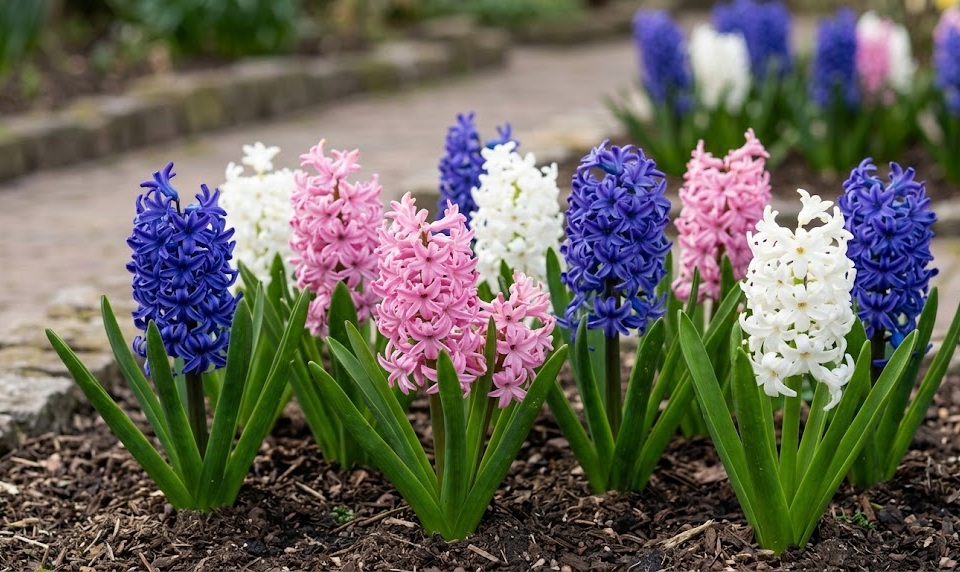

Protecting the garden hyacinth from the diverse array of biological threats is a primary responsibility for any serious horticulturalist. These ornamental bulbs are susceptible to several fungal, bacterial, and viral pathogens that can compromise both their aesthetic value and their long-term survival. In addition to microscopic threats, various insect pests and small mammals find the nutrient-rich tissues of the hyacinth highly attractive. A professional pest management strategy focuses on prevention, early detection, and targeted interventions to maintain a healthy garden environment. Understanding the symptoms and lifecycles of these threats is the first step toward effective control.
Fungal infections are among the most common issues encountered when growing hyacinths in temperate climates. Botrytis cinerea, often known as gray mold, can appear on the flowers and foliage during periods of high humidity and cool temperatures. You will recognize this pathogen by the fuzzy, grayish-brown growth that quickly spreads across the delicate petals and stems. To combat this, you must ensure excellent air circulation and remove any infected plant material immediately to prevent the spores from spreading.
Bulb rot is a devastating condition often caused by Fusarium or Penicillium species, especially when the soil remains waterlogged for extended periods. Affected bulbs will feel soft or mushy to the touch and may exhibit a characteristic foul odor when lifted from the ground. If you notice that your hyacinths are failing to emerge or are producing stunted, yellowed growth, you should inspect the underground portion of the plant. Preventing bulb rot is largely a matter of ensuring perfect drainage and using only high-quality, disease-free stock.
Viral diseases, such as the hyacinth mosaic virus, present a different challenge as there are no chemical cures for these systemic infections. Infected plants typically show mottled or streaked patterns on their leaves and may produce distorted or broken flower colors. These viruses are often spread by sap-sucking insects like aphids, which move from one plant to another during the spring. The only professional solution for viral infections is to remove and destroy the affected plants to protect the rest of the collection.
Common insect pests and their management
Aphids are a recurring nuisance in the spring garden, clustering on the tender new growth and sucking the vital juices from the plant. While they may not kill a healthy hyacinth outright, they can cause significant distortion of the leaves and flowers. Furthermore, aphids are known vectors for various plant viruses, making their control a high priority for disease prevention. You can manage small populations with a strong stream of water or by introducing beneficial insects like ladybugs into your garden ecosystem.
More articles on this topic
Bulb mites are tiny, almost invisible pests that inhabit the soil and feed on the scales of the hyacinth bulbs. Their feeding creates wounds that provide entry points for secondary fungal and bacterial infections, leading to a general decline in plant vigor. If you notice that your bulbs have small, reddish-brown spots or appear to be hollowed out, mites may be the underlying cause. Professional growers often use predatory mites or specific organic soil treatments to keep these populations under control without damaging the environment.
Thrips are another insect pest that can cause unsightly damage to the flowers, often resulting in silvered or streaked petals. These tiny, slender insects hide within the dense florets of the hyacinth spike, making them difficult to spot until the damage is already done. They thrive in warm, dry conditions and can quickly move through a large planting if left unchecked. Regular monitoring and the use of yellow sticky traps can help you detect their presence early enough to take corrective action.
Slugs and snails are perennial threats that find the succulent leaves and stems of hyacinths particularly appetizing. They are most active during damp nights and can consume a surprising amount of plant tissue in a very short time. You will see their characteristic slime trails and ragged holes in the foliage, which can ruin the appearance of your spring display. Using physical barriers, copper tape, or organic iron phosphate pellets are professional ways to manage these gastropods while protecting local wildlife.
Mammalian threats and physical barriers
Small mammals such as voles and mice can cause significant damage to hyacinth bulbs during the winter months when other food sources are scarce. These rodents often tunnel through the soil and can consume entire colonies of bulbs before the spring even arrives. Unlike daffodils, which are toxic and generally avoided by wildlife, hyacinths are often seen as a nutritious snack. To protect your investment, you may need to plant your bulbs inside wire mesh cages or use natural repellents like crushed gravel in the planting holes.
More articles on this topic
Rabbits and deer can also be a problem once the green shoots and flower buds begin to emerge in the early spring. These larger animals are attracted to the tender, moisture-rich tissue and can graze a beautiful display down to the ground in a single visit. If your garden is located in an area with high wildlife pressure, temporary fencing or professional-grade scent repellents may be necessary. Being proactive with these barriers before the plants emerge is the most effective way to ensure a successful blooming season.
Squirrels are notorious for digging up newly planted bulbs, often out of curiosity as much as for food. They are particularly attracted to areas where the soil has been freshly disturbed, making your newly planted beds a prime target. You can deter them by covering the planting area with a layer of chicken wire or heavy plastic netting until the ground has settled and frozen. This physical barrier prevents them from reaching the bulbs while still allowing the spring shoots to grow through the gaps.
Understanding the behavior of local wildlife is a key part of professional garden management and long-term planning. You should observe which animals are active in your area and adjust your protection strategies accordingly throughout the seasons. Sometimes, simply planting hyacinths among more resistant species like Alliums or Fritillaria can provide a level of natural protection. Integrated pest management involves using a variety of tools and techniques to create a resilient and beautiful garden space.
Environmental stressors and physiological issues
Sometimes, the symptoms that look like diseases are actually caused by environmental stress or poor cultivation practices. For example, “flower lodging” is a condition where the heavy flower spikes fall over due to weak stems or excessive nitrogen fertilization. This is not a disease but a physiological response that can be corrected by adjusting your feeding routine and providing physical support. Professional horticulturists are careful to distinguish between these non-pathogenic issues and actual infections.
Sunscald can occur when a sudden period of intense sunlight follows a long spell of cloudy, damp weather. The tender tissues of the leaves and flowers may develop bleached spots or brown edges as they struggle to adapt to the high UV levels. While this damage is primarily aesthetic, it can weaken the plant and make it more susceptible to secondary infections. Providing temporary shade during extreme weather transitions can help protect your more delicate varieties from this type of stress.
Nutrient imbalances can also manifest as symptoms that mimic viral or fungal infections, such as yellowing or spotting of the leaves. A deficiency in magnesium, for instance, can cause chlorosis that looks remarkably similar to some viral mottling patterns. This is why regular soil testing is considered a professional standard in high-end garden management and agricultural operations. Knowing exactly what is in your soil allows you to treat the underlying cause rather than just the visible symptoms.
Water stress, whether from too much or too little moisture, is perhaps the most common cause of plant decline in the home garden. Roots that are deprived of oxygen in waterlogged soil will die, leading to a plant that looks wilted even though the ground is wet. On the other hand, extreme drought during the growth phase will cause the flower buds to blast or fail to open. Mastering the art of irrigation is the most effective way to prevent the majority of health issues in your hyacinth collection.
Integrated pest management and sustainable solutions
The most professional approach to garden health is known as Integrated Pest Management, or IPM, which prioritizes biological and physical controls over chemicals. This strategy involves regular monitoring, correctly identifying problems, and intervening only when a specific threshold of damage is reached. By encouraging a diverse ecosystem of beneficial insects and birds, you create a natural balance that keeps many pests in check. Healthy plants are also naturally more resistant to diseases, so good cultural practices are your first line of defense.
If chemical interventions become necessary, always choose the most targeted and least toxic options available to you. For example, insecticidal soaps or neem oil can be very effective against aphids and mites without causing long-term harm to the soil. Always follow the manufacturer’s instructions exactly and apply these products during the late evening to minimize the impact on bees and other pollinators. Professional ethics in gardening include a deep respect for the broader environment and the health of the local ecosystem.
Cleaning your gardening tools after each use is a simple but vital habit that prevents the accidental spread of pathogens. Soil-borne fungi and viruses can easily be carried from one part of the garden to another on the surface of a trowel or a pair of shears. A quick dip in a weak bleach solution or a wipe with isopropyl alcohol is all it takes to maintain a sterile working environment. This level of attention to detail is what separates a casual hobbyist from a truly professional gardener.
Finally, always source your bulbs from reputable suppliers who can guarantee that their stock is disease-free and true to variety. Starting with healthy material is the best way to ensure a successful and trouble-free growing season. If you are gifted bulbs from another garden, it is wise to quarantine them in a separate area for a year to ensure they are not carrying any hidden issues. A proactive and disciplined approach to garden hygiene will pay dividends in the form of a stunning and healthy hyacinth display.