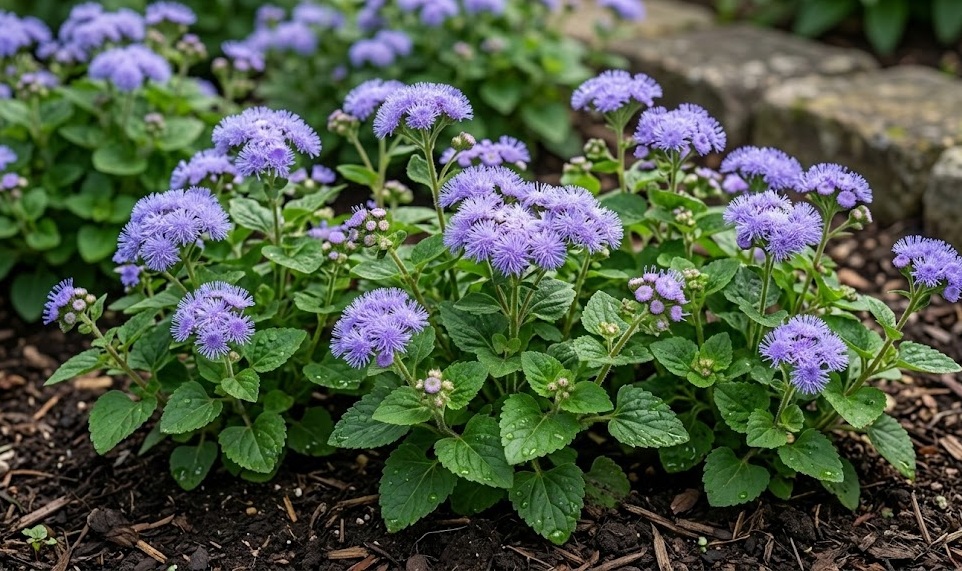

Protecting your flossflower from the various biological threats that inhabit the garden is an ongoing responsibility that requires both vigilance and knowledge. While these plants are generally resilient, they can become targets for a variety of insects and pathogens that thrive in the same summer conditions. A professional gardener knows that the best defense is a healthy plant, as vigorous growth is the first line of defense against any infestation. By understanding the common problems that affect this species, you can take proactive steps to ensure your garden remains a healthy and beautiful sanctuary.
Fungal infections are among the most common issues you will encounter, particularly during periods of high humidity and warm temperatures. Powdery mildew is a classic example, appearing as a white, flour-like coating on the leaves and stems of the plant. This fungus thrives in stagnant air and can quickly spread from one plant to another if left untreated. To prevent this, you must ensure that your plants have plenty of space for air to circulate and avoid getting the foliage wet when you water.
Gray mold, also known as botrytis, is another fungal threat that can devastate the delicate flower heads of your flossflower. This disease usually starts as small, water-soaked spots that quickly expand into a fuzzy gray growth that rots the tissue. It is especially problematic during rainy spells when the flowers stay damp for extended periods of time. Removing any infected parts immediately and improving the overall sanitation of your garden bed is the most effective way to manage this persistent pathogen.
Root rot is a hidden danger that can occur if the soil remains waterlogged for too long, cutting off oxygen to the root system. You might notice the plant suddenly wilting even when the soil is wet, or the base of the stem turning dark and mushy. This condition is often fatal once it sets in, so prevention through proper soil preparation and drainage is absolutely critical. If you suspect root rot, you should immediately stop watering and try to improve the aeration of the soil to save the remaining plants.
Managing common garden insect pests
Aphids are small, sap-sucking insects that are frequently found on the tender new growth and flower buds of the flossflower. These pests can reproduce incredibly quickly, forming large colonies that cause the leaves to curl and become distorted. They also secrete a sticky substance known as honeydew, which can attract ants and provide a growing medium for black sooty mold. You can often control small populations by simply rinsing them off with a strong stream of water from your garden hose.
More articles on this topic
Spider mites are another common nuisance, especially during hot, dry weather when the plants are already under some environmental stress. These tiny arachnids are difficult to see with the naked eye, but you will notice fine webbing between the leaves and a stippled, yellow appearance on the foliage. Mites thrive in dusty conditions, so keeping your plants hydrated and occasionally misting the leaves can help discourage them. If an infestation becomes severe, you may need to use an organic insecticidal soap to bring the population back under control.
Whiteflies are small, winged insects that congregate on the undersides of the leaves and take flight in a cloud when the plant is disturbed. Like aphids, they suck the sap from the plant and can weaken it over time, leading to stunted growth and poor flowering. They are notoriously difficult to eliminate because they can move easily between different types of plants in your garden. Using yellow sticky traps can help you monitor their presence and reduce the number of adults before they have a chance to lay more eggs.
Slugs and snails are primarily nocturnal pests that can chew large, ragged holes in the leaves and even consume entire seedlings overnight. They are most active during damp weather and tend to hide under mulch or stones during the heat of the day. You can manage their numbers by removing their hiding spots and using organic barriers or traps around your most vulnerable plants. Regular evening inspections with a flashlight can also be a very effective, albeit time-consuming, way to keep their population in check.
Integrated pest management strategies
Adopting an integrated pest management (IPM) approach is the most professional and sustainable way to handle health issues in your garden. This strategy focuses on long-term prevention and uses chemical interventions only as a last resort when all other methods have failed. Start by selecting healthy, disease-resistant plant varieties and providing them with the optimal growing conditions they need to thrive. A strong, well-nourished plant is much more likely to survive a minor pest attack without any permanent damage.
More articles on this topic
Encouraging natural predators is a key component of a successful IPM strategy and helps create a balanced ecosystem in your backyard. Ladybugs, lacewings, and hoverflies are all beneficial insects that feed on common pests like aphids and mites. You can attract these “garden heroes” by planting a variety of flowering herbs and avoiding the use of broad-spectrum pesticides that kill both good and bad bugs. By fostering a diverse biological community, you allow nature to do much of the pest control work for you.
Regular scouting and monitoring are essential for catching problems early before they turn into full-blown crises. You should take a few minutes every day to inspect your plants, looking for any signs of discoloration, holes in the leaves, or unusual insect activity. Early intervention, such as pruning away a single infected leaf or hand-picking a few beetles, can often prevent a problem from spreading to the rest of the garden. This proactive mindset is what separates a professional horticulturist from a casual gardener.
Sanitation is another critical element of disease prevention that is often overlooked in home gardens. You should always remove and dispose of any fallen leaves or dead plant material that could harbor pests or pathogens over the winter. Clean your garden tools regularly with a disinfectant to prevent the accidental transfer of diseases from one plant to another. Keeping a tidy garden bed not only looks better but also significantly reduces the risk of recurring health issues for your flossflowers.
Viral and bacterial threats
While less common than fungal or insect problems, viral diseases can occasionally affect flossflowers and are often the most difficult to manage. Viruses are usually spread by sap-sucking insects like aphids or through contaminated tools and can cause strange mottling or streaking on the leaves. There is no cure for a viral infection once a plant is colonized, so the only solution is to remove and destroy the affected individual to protect the rest of the garden. Preventing the spread of insect vectors is the most effective way to guard against these invisible threats.
Bacterial leaf spot can also occur, appearing as small, dark, water-soaked lesions that may have a yellow halo around them. This pathogen thrives in warm, wet conditions and can be spread through splashing water or by handling plants when they are wet. To manage bacterial issues, you should improve the spacing between your plants and avoid any practices that keep the foliage damp for long periods. If the infection is limited to a few leaves, you can carefully prune them off and monitor the rest of the plant for further signs.
Maintaining a clean environment around your garden beds is your best defense against both bacterial and viral pathogens. Weeds can often act as “bridge hosts,” harbor diseases and pests that eventually move onto your ornamental plants. By keeping your garden free of unwanted vegetation, you eliminate these potential reservoirs and reduce the overall pressure on your flossflowers. It is a simple but effective strategy that pays dividends in the form of healthier and more productive plants.
Always purchase your seeds and seedlings from reputable sources to ensure that you are starting with disease-free material. Many commercial growers follow strict protocols to prevent the spread of systemic diseases that can be carried in the seeds or the soil. If you are sharing plants with friends or neighbors, be sure to inspect them thoroughly before introducing them to your own garden beds. Starting with a clean slate is the most professional way to ensure a successful and healthy growing season.
Choosing the right treatments
When manual controls and cultural practices are not enough, you may need to turn to organic or chemical treatments to save your display. For fungal issues, copper-based fungicides or sulfur sprays can be very effective if applied at the first sign of an outbreak. Always read the label carefully and follow the instructions for application rates and timing to ensure the safety of your plants and yourself. It is usually best to apply these treatments in the cool of the evening to avoid any risk of leaf scorch from the sun.
Neem oil is a versatile and popular organic option that works against a wide variety of both insect pests and fungal diseases. It acts as an antifeedant and disrupts the life cycle of many common garden insects while also providing some antifungal protection. Because it is derived from a natural source, it is generally safer for beneficial insects and the environment than many synthetic alternatives. Regular applications of neem oil can be a great preventative measure during the peak of the pest season.
Insecticidal soaps are another excellent choice for controlling soft-bodied insects like aphids, whiteflies, and spider mites. These soaps work by breaking down the outer layer of the insect, leading to dehydration and death upon contact. They are most effective when applied directly to the pests, so be sure to spray both the tops and the undersides of the leaves thoroughly. Because they have no residual effect, you may need to repeat the application every few days until the problem is under control.
For persistent soil-borne issues, you might consider using beneficial nematodes or other biological control agents that target specific pests. These microscopic organisms can be added to the soil to hunt down the larvae of pests like fungus gnats or certain types of beetles. This targeted approach is highly effective and does not harm the larger inhabitants of your garden ecosystem. Exploring these advanced biological solutions is a hallmark of a professional approach to modern garden management.