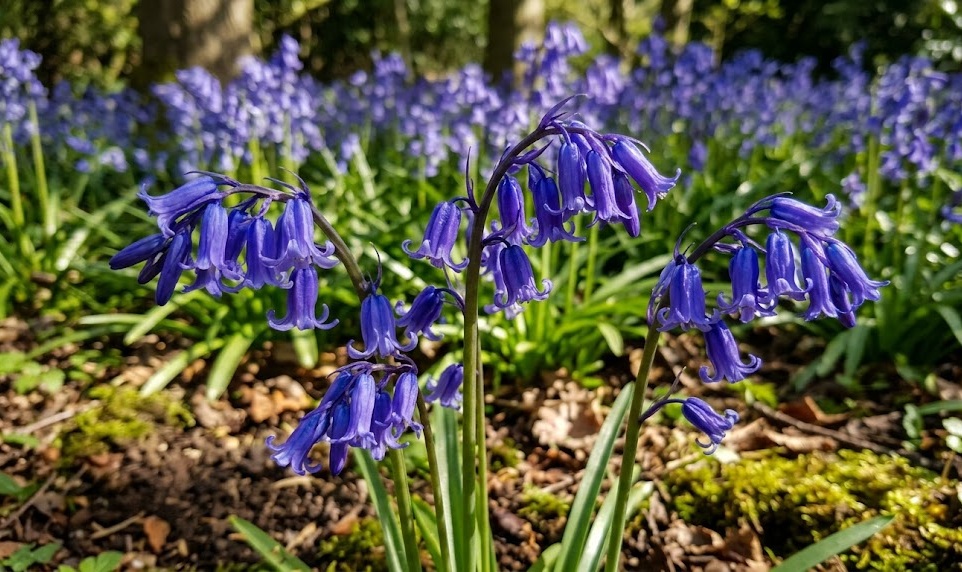

Maintaining the health of English bluebells requires a proactive approach to identifying and managing various biological threats. While these plants are relatively robust once established, they can fall victim to specific fungal pathogens and opportunistic pests that thrive in woodland environments. Professional disease management focuses on prevention through cultural practices and early intervention to stop the spread of infection. Understanding the signs of distress is the first step in protecting your spring display from long-term damage.
Identifying common fungal infections
The most serious threat to English bluebells is often fungal, particularly various forms of bulb rot and leaf rust. Bluebell rust, caused by the fungus Uromyces muscari, appears as small, orange or brown pustules on the underside of the leaves. This infection can weaken the plant by reducing its ability to photosynthesize and store energy for the following year. If you notice these spots, it is essential to remove and destroy the infected foliage to prevent the spores from spreading.
Bulb rot is another significant issue that usually stems from poor drainage or excessively wet soil. Pathogens like Sclerotinia or Botrytis can cause the bulb tissues to become soft, mushy, and foul-smelling. Affected plants may fail to emerge in the spring or show stunted, yellowed growth that quickly collapses. To prevent this, professional gardeners ensure the soil is well-aerated and avoid over-watering during the dormant summer phase.
Grey mold, or Botrytis cinerea, can affect the flowers and stems during particularly damp and humid springs. It appears as a fuzzy, greyish coating that causes the delicate petals to turn brown and decay prematurely. Improving air circulation around the plants by avoiding overcrowding is the most effective way to combat this fungus. In severe cases, removing the affected flower spikes can help protect the rest of the colony from further infection.
Managing fungal issues always begins with a focus on garden hygiene and soil health. Spores can often survive in the leaf litter or on dead plant material over the winter. Clearing away any heavily diseased foliage at the end of the season is a professional standard for preventing re-infection. By maintaining a clean environment and healthy soil, you significantly reduce the chances of a major fungal outbreak in your bluebell drifts.
More articles on this topic
Dealing with slugs and snails
In the damp, shaded environments where bluebells thrive, slugs and snails are a constant presence and a potential threat. These mollusks are particularly fond of the succulent young shoots as they emerge from the soil in late winter. A heavy infestation can decimate a young colony, eating the growing points and leaving the plants unable to flower. Professional gardeners monitor their bluebell areas closely as soon as the temperatures begin to rise.
Slugs often hide during the day under mulch, rocks, or low-growing foliage, making them difficult to spot. Their presence is usually revealed by tell-tale silvery slime trails and irregular holes in the leaves and stems. To manage them without using harsh chemicals, you can use “beer traps” or physical barriers like copper tape around sensitive areas. These methods are safer for the birds and hedgehogs that naturally prey on slugs and snails.
Encouraging natural predators is the most sustainable and professional way to keep mollusk populations in check. A garden that supports frogs, toads, and ground beetles will naturally have fewer slug problems. Providing a small pond or a dedicated “wild corner” can attract these beneficial animals to your garden. This biological control method creates a balanced ecosystem where pests are kept at a manageable level without human intervention.
If you must use slug pellets, always opt for the organic iron phosphate varieties which are non-toxic to wildlife and pets. These pellets cause the slugs to stop feeding and retreat underground to die, avoiding the mess of traditional baits. Apply them sparingly only when the bluebells are most vulnerable, such as during the first few weeks of emergence. Consistent monitoring and a multi-layered approach will ensure your bluebells stay beautiful and intact.
More articles on this topic
Managing bulb-feeding insects
Several types of insects can target the bulbs themselves, often causing damage that is not visible until it is too late. The narcissus bulb fly is one such pest that can occasionally affect bluebells, although they prefer daffodils. The adult fly lays its eggs near the base of the dying foliage, and the larvae tunnel into the bulb to feed. This hollows out the bulb and prevents it from growing the following year, often leading to a total loss of the plant.
To prevent bulb fly damage, you can firm the soil around the base of the leaves as they die back to close any gaps. This makes it much harder for the adult fly to reach the bulb to lay its eggs. Some professional gardeners also use fine mesh covers over their most prized collections during the fly’s active period in early summer. Keeping the garden tidy and removing dead foliage promptly also reduces the attractiveness of the site to these pests.
Vine weevil larvae are another underground threat that can gnaw at the roots and the base of the bulbs. These “C-shaped” white grubs are particularly problematic in container-grown bluebells where their population can grow rapidly. If a plant seems to be wilting despite having adequate water, it is worth checking the root zone for these pests. Biological controls, such as beneficial nematodes, can be watered into the soil to kill the larvae effectively.
Maintaining a diverse range of plants in your garden helps to prevent any single pest species from becoming dominant. Many beneficial insects, such as parasitic wasps, help control the populations of bulb-feeding larvae. By avoiding broad-spectrum insecticides, you protect these “garden allies” and allow them to do the work for you. Professional horticulture is as much about managing the “good bugs” as it is about fighting the “bad” ones.
Viruses and systemic issues
Viruses are a more complex challenge because they are often systemic and cannot be cured once the plant is infected. Symptoms of a viral infection in bluebells can include streaking or mottling on the leaves, distorted flowers, or stunted growth. These viruses are often spread by sap-sucking insects like aphids or through contaminated gardening tools. If you suspect a virus, the only professional course of action is to remove and destroy the affected plants immediately.
To prevent the spread of viruses, always clean your pruning shears and trowels with a disinfectant between uses. This is especially important when moving from one part of the garden to another or when working with newly acquired plants. Avoiding the “importation” of infected stock is key, so always buy bulbs from reputable sources that guarantee virus-free material. A small amount of caution during the planting phase can save years of frustration later.
Aphid control is an indirect but essential part of preventing viral transmission in the garden. While a few aphids are rarely a threat to the health of a bluebell, they act as vectors for many plant diseases. You can usually manage aphids by simply washing them off the plants with a strong stream of water. Encouraging ladybugs and lacewings will also provide a natural and effective defense against these small but troublesome insects.
Regular inspection of your bluebell drifts allows you to catch systemic issues before they affect the entire colony. Look for any plants that seem “off” compared to their neighbors, even if the symptoms are subtle. Removing a single infected bulb can protect hundreds of others from a similar fate. Professional stewardship means being vigilant and making the tough decisions necessary to maintain a healthy garden.
Cultural practices for disease prevention
The most effective “medicine” for your bluebells is often just good old-fashioned gardening practice. Ensuring proper spacing between plants is the best way to prevent the humidity traps that fungal spores love. When plants are too crowded, air cannot circulate, and moisture lingers on the leaves for too long. A well-spaced drift is not only more beautiful but also significantly more resistant to disease.
Watering at the soil level rather than over the top of the foliage is another simple but powerful prevention technique. Wet leaves, especially in the evening, are an open invitation for fungal pathogens to take hold. By keeping the foliage dry, you eliminate one of the key requirements for most plant diseases. This professional habit should be applied to almost all plants in the woodland garden for the best results.
Rotation and soil rejuvenation can also help prevent the buildup of soil-borne pathogens over time. If you have a particular spot where bluebells consistently fail, it may be time to give that area a rest. Incorporating fresh organic matter or even moving the colony to a new location can break the cycle of infection. Sometimes a “change of scenery” is exactly what the bulbs need to regain their health and vigor.
Finally, remember that a stressed plant is much more likely to fall ill than a healthy one. Providing the right light, soil, and moisture conditions is your first and best line of defense against all pests and diseases. When a plant is thriving in its ideal environment, its natural immune system is at its strongest. Professional gardening is about creating the conditions for success rather than just reacting to failure.