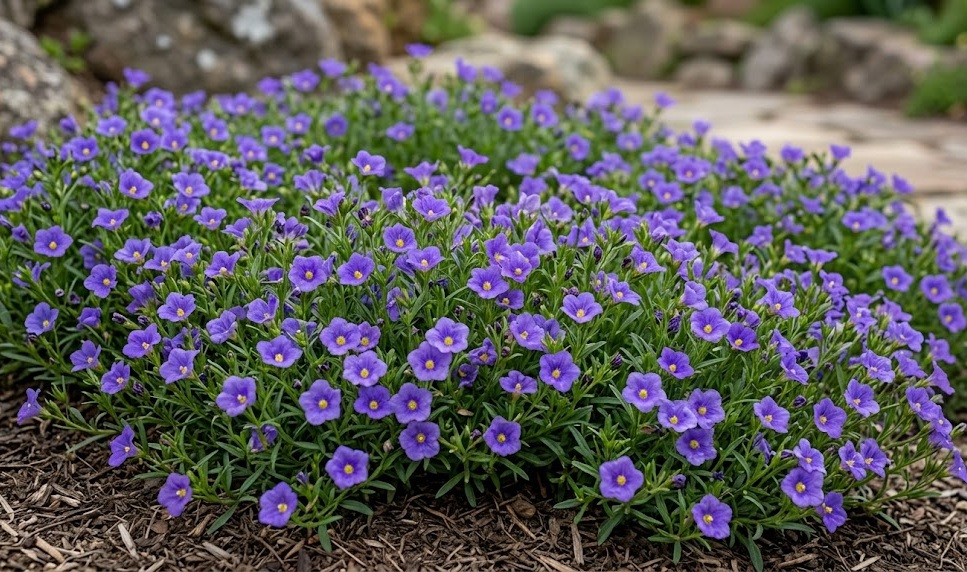

Maintaining the health of your cupflowers requires a vigilant eye for the various biological threats that can arise in the garden. While these plants are generally robust, they are not entirely immune to the pressures of pests and pathogens. Professional disease management is based on early detection and a multi-faceted approach to control and prevention. By understanding the common issues that affect this species, you can take proactive steps to ensure your floral display remains pristine.
Fungal diseases are perhaps the most frequent challenge encountered when growing this species in a traditional garden setting. These issues often manifest as unusual spots on the leaves or a fuzzy coating that appears during humid weather. If left unchecked, fungal infections can quickly spread across the entire colony, reducing the plant’s vigor and aesthetic appeal. A professional approach involves managing the environment to make it less hospitable for these troublesome spores.
Pests, ranging from tiny insects to larger garden dwellers, can also cause significant physical damage to the delicate stems and flowers. Some pests work by sucking the life-giving sap from the plant, while others chew through the foliage directly. Identifying the specific culprit is the first step in choosing an effective and professional treatment strategy. Regular inspections of the undersides of the leaves are a simple but essential habit for any serious gardener.
Integrated Pest Management (IPM) is the professional standard for dealing with these issues in a sustainable and effective way. This approach prioritizes biological and mechanical controls before turning to chemical interventions as a last resort. By fostering a healthy garden ecosystem, you can often keep pest populations at a manageable level without drastic measures. Understanding the natural life cycles of both the pests and their predators is a key part of this expert strategy.
Common fungal and soil-borne issues
Powdery mildew is a common fungal issue that presents as a white, dusty substance on the surface of the leaves. This usually occurs when the air is humid but the soil is relatively dry, creating a specific microclimate for the fungus. It can cause the leaves to distort and eventually drop off, weakening the plant over time. Professional treatment often involves improving air circulation and using organic fungicidal sprays if the infection becomes severe.
More articles on this topic
Root rot is a much more serious condition that typically results from poor drainage or excessive watering practices. The first signs are often a general wilting and yellowing of the plant that does not improve after watering. Because the damage happens underground, it can be quite advanced before it is noticed by the gardener. Professional prevention is the only real cure, which means ensuring the soil is well-aerated and never allowed to stay saturated for long.
Botrytis, or gray mold, can affect the flowers particularly during periods of cool, wet weather in the spring or autumn. It causes the blossoms to turn brown and mushy, often covered in a characteristic gray fungal growth. Removing infected flowers immediately is a professional technique to prevent the spores from spreading to the rest of the plant. Maintaining a clean garden bed free of decaying organic matter is also a vital part of long-term fungal management.
Leaf spot diseases can be caused by several different types of fungi and bacteria, leading to unsightly blemishes on the foliage. These spots often have a distinct border and can eventually merge, killing large sections of the leaf tissue. Avoiding overhead watering is one of the most effective professional ways to reduce the incidence of these leaf-based diseases. If spots appear, removing the most affected leaves can help slow down the progression of the problem.
Identifying and managing insect pests
Aphids are small, soft-bodied insects that often cluster on the new growth and flower buds of the plant. They weaken the specimen by sucking out the sap and can also transmit viral diseases between different plants. You may notice a sticky substance called honeydew on the leaves, which can then attract black sooty mold. A professional can often manage small populations of aphids with a strong stream of water or by encouraging ladybugs into the garden.
More articles on this topic
Spider mites are nearly invisible to the naked eye but can cause significant damage in hot, dry conditions. They create fine webbing on the plant and cause the leaves to take on a stippled, yellowish appearance. If you suspect mites, a professional test involves shaking a leaf over a piece of white paper to see the tiny specks moving. Increasing the humidity around the plants and using insecticidal soaps are common ways to deal with these persistent pests.
Slugs and snails can be particularly devastating to young plants and low-growing ground covers like the cupflower. They are most active at night or during rainy weather, leaving behind tell-tale slime trails and large holes in the foliage. Professional control methods include using copper barriers, beer traps, or organic iron phosphate pellets. Keeping the area around the plants free of hiding places like large stones or boards can also help reduce their numbers.
Thrips are another tiny pest that can cause the flowers to become distorted and flecked with silvery streaks. They are often found deep inside the flower buds, making them difficult to reach with topical treatments. Because they have a rapid life cycle, they can quickly build up a resistance to certain interventions. A professional approach involves alternating different types of treatments to ensure the population is kept under control throughout the season.
Biological and organic control methods
Encouraging beneficial insects into your garden is one of the most professional and sustainable ways to manage pests. Predators like lacewings, hoverflies, and parasitic wasps provide a natural balance that keeps harmful insect populations in check. Planting a variety of flowering species can help attract these “garden heroes” and provide them with the resources they need. This ecological approach reduces your reliance on external inputs and creates a more resilient garden environment.
Neem oil is a versatile and organic tool that can be used to manage a wide range of both pests and fungal issues. It works by disrupting the life cycle of insects and preventing fungal spores from germinating on the leaf surface. When applied correctly and professionally, it has a low impact on beneficial insects and the surrounding environment. It is best used as a preventative measure or at the first sign of a problem for the best results.
Insecticidal soaps are another effective organic option for dealing with soft-bodied pests like aphids and mites. These products work by breaking down the outer shell of the insect, causing them to dehydrate and die. They must come into direct contact with the pest to be effective, so thorough coverage of the plant is essential. Professional application during the cooler parts of the day prevents any potential for leaf burn from the soap solution.
Hand-picking larger pests like slugs or caterpillars is a simple but highly effective professional technique for small garden areas. This allows you to remove the problem immediately without introducing any substances into the garden ecosystem. Regular evening “patrols” with a flashlight can help you catch these pests when they are most active. This direct intervention is often the quickest way to protect a prized specimen from sudden damage.
Professional preventative measures
The best way to manage diseases and pests is to prevent them from becoming established in your garden in the first place. This begins with selecting healthy, disease-free plants from reputable nurseries and inspecting them carefully before planting. Quarantining new additions for a short period can help ensure you don’t accidentally introduce a problem to your existing collection. This professional discipline is a hallmark of an experienced and successful gardener.
Maintaining optimal growing conditions is the most powerful preventative tool at your disposal. A plant that is well-watered, properly fed, and growing in the right amount of light will have a much stronger immune system. Stress is often the primary factor that allows a minor pest or disease issue to become a major crisis. By providing a professional level of care, you are essentially building a natural defense system for your plants.
Crop rotation and strategic spacing are also important professional considerations for long-term garden health. Avoid planting the same species in the exact same spot year after year to prevent the buildup of soil-borne pathogens. Providing enough room between plants ensures that air can flow freely, which is the best defense against many fungal issues. These structural decisions in your garden layout pay dividends in the form of healthier and more productive plants.
Finally, keeping your garden tools clean and sanitized is a professional habit that prevents the cross-contamination of diseases. Pruning shears and trowels should be wiped with alcohol or a mild bleach solution after use on an infected plant. This simple step can stop the spread of many bacterial and viral issues that are otherwise difficult to control. A professional attention to hygiene in the garden is just as important as it is in any other technical field.