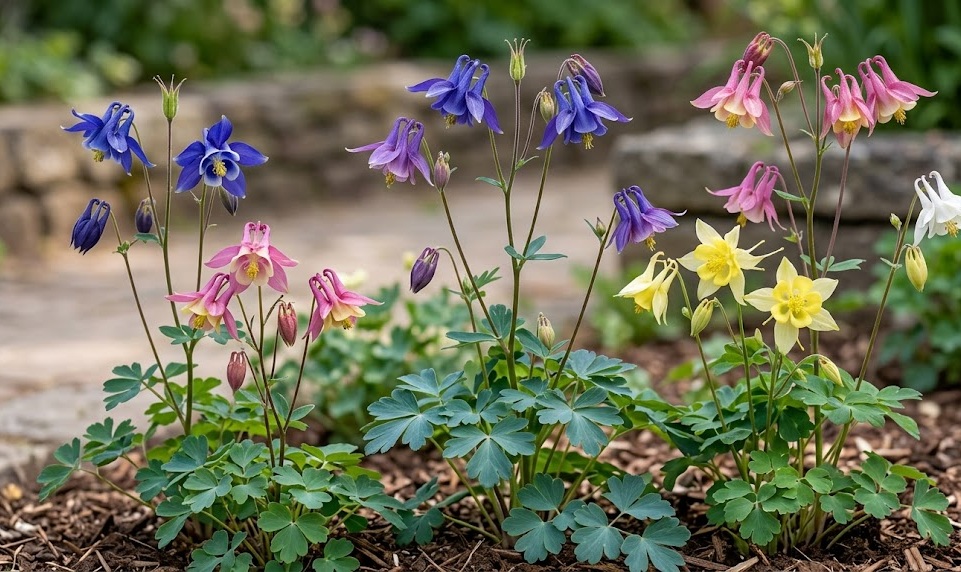

Protecting columbine from the various biological threats they face is a key responsibility for any dedicated gardener or horticulturist. While these plants are generally robust, they are susceptible to several specific pests and diseases that can quickly diminish their aesthetic value and health. An integrated approach that combines preventative measures with targeted treatments is the most effective way to manage these challenges. By learning to identify the early signs of trouble, you can intervene before a minor issue becomes a major infestation that threatens your entire collection.
Identifying and managing leaf miners
Leaf miners are perhaps the most common and recognizable pest associated with the cultivation of columbines. These tiny larvae live and feed between the layers of the leaf, creating distinctive winding white trails as they move through the tissue. While the damage is primarily cosmetic in the early stages, a severe infestation can significantly reduce the plant’s ability to photosynthesize. Recognizing the first few “tunnels” is crucial for preventing the problem from spreading across the whole plant.
The most effective organic method for controlling leaf miners is the manual removal of affected leaves as soon as they are spotted. Since the larvae are protected inside the leaf, contact sprays are often ineffective once the damage is visible. By disposing of the infested foliage in the trash—not the compost pile—you physically remove the pests from your garden ecosystem. This simple act of hygiene can drastically reduce the population for the following season.
For larger colonies where manual removal is impractical, you may consider using systemic treatments or neem oil. Neem oil can act as a deterrent for the adult flies that lay the eggs on the leaf surface, breaking the reproductive cycle. It is best applied in the early evening to avoid harming beneficial pollinators that visit the flowers during the day. Consistent application every few weeks during the peak growing season is necessary for the best results.
Encouraging natural predators is another professional strategy for managing leaf miner populations over the long term. Various species of tiny parasitic wasps naturally target leaf miner larvae and can keep their numbers in check without any chemical intervention. By maintaining a diverse garden with a variety of flowering plants, you provide the habitat these beneficial insects need to thrive. A balanced ecosystem is often the most resilient defense against common garden pests.
More articles on this topic
Combating powdery mildew and fungal issues
Powdery mildew is a fungal disease that frequently appears on columbine foliage, especially during the humid days of late summer. It presents as a white, flour-like dusting on the surface of the leaves and can cause them to distort or drop prematurely. While it rarely kills the plant outright, it is unsightly and can weaken the specimen over time. The fungus thrives in conditions where the air is stagnant and the foliage remains damp for extended periods.
Improving air circulation is the first and most important step in preventing powdery mildew outbreaks. When planting, ensure that there is enough space between individual specimens for breezes to move freely through the canopy. If a plant has become too dense, you can selectively remove some of the interior foliage to open up the structure. Proper spacing and pruning are powerful preventative tools that reduce the need for fungicides.
If the disease does appear, there are several effective treatments ranging from household remedies to commercial products. A simple spray made from milk and water or baking soda can shift the pH on the leaf surface and make it inhospitable for the fungus. For more persistent cases, sulfur-based fungicides are highly effective but should be used with caution to avoid damaging the plant in hot weather. Always apply these treatments to both the top and bottom of the leaves for complete coverage.
In severe cases where the foliage is heavily infected, it may be best to cut the entire plant back to the ground. This removes the source of the fungal spores and often stimulates a fresh flush of healthy, mildew-free growth. Ensure that all infected debris is removed from the garden and destroyed to prevent the spores from overwintering in the soil. Consistent garden sanitation is the cornerstone of a successful fungal management program.
More articles on this topic
Controlling aphids and other sucking insects
Aphids are small, soft-bodied insects that cluster on the tender new growth and the undersides of columbine leaves. They feed by sucking the sap from the plant, which can lead to stunted growth, curled leaves, and a general loss of vigor. They also excrete a sticky substance called honeydew, which can attract ants and encourage the growth of sooty mold. Because they reproduce so rapidly, a small number of aphids can become a major problem in just a few days.
One of the simplest ways to manage a small aphid population is with a strong stream of water from a garden hose. This physically knocks the insects off the plant, and they often struggle to find their way back to the tender feeding sites. Repeating this process every few days can keep the population low enough that the plant’s natural defenses can cope. This method is completely non-toxic and safe for all the beneficial inhabitants of your garden.
Insecticidal soaps are another effective and low-impact tool for controlling aphids and similar sucking insects. These products work by disrupting the outer membrane of the insect, leading to dehydration and death upon contact. Because they have no residual effect, they must be applied directly to the insects to be successful. It is important to cover all parts of the plant, including the hidden nooks where aphids like to congregate.
Natural predators like ladybugs and lacewings are highly efficient at consuming large quantities of aphids. You can often attract these helpful insects by providing a variety of nectar sources and avoiding broad-spectrum pesticides. In some cases, you can even purchase and release these predators into your garden to jumpstart the control process. Integrating biological controls into your pest management plan is a hallmark of professional and sustainable gardening.
Managing sawflies and foliage-eating larvae
Columbine sawflies are another specific pest that can cause significant damage in a very short amount of time. The larvae look like small green caterpillars and feed voraciously on the edges of the leaves, often leaving only the midribs behind. Because they blend in so well with the foliage, you might not notice them until large sections of the plant have been stripped bare. Frequent inspection of the foliage in late spring is the best way to catch them early.
Manual removal is highly effective for sawfly larvae if you have only a few plants to monitor. Simply pick them off the leaves and drop them into a bucket of soapy water to dispose of them. Since they tend to feed in groups, you can often remove many of them at once by targeting the most affected branches. This direct approach is the fastest way to stop the damage and protect the remaining foliage.
If the infestation is too widespread for hand-picking, you may need to use an organic pesticide like Spinosad. This product is derived from a soil bacterium and is highly effective against many types of leaf-eating larvae while having a low impact on most beneficial insects. It should be applied when the larvae are small and actively feeding for the best results. Always follow the label instructions carefully to ensure the safety of yourself and your garden.
Preventing future outbreaks of sawflies involves understanding their lifecycle and where they spend the winter. The larvae eventually drop to the ground and pupate in the soil beneath the plant, emerging as adults the following spring. Regularly disturbing the top layer of soil or replacing the mulch can help expose these pupae to predators and the elements. By disrupting their habitat, you can reduce the number of adults that emerge to lay eggs the next year.
Holistic approaches to plant health
The best defense against any pest or disease is a healthy, well-sited plant that is growing in its ideal conditions. Stress from drought, poor nutrition, or incorrect light levels makes columbines much more vulnerable to attack. By providing the right foundation of care, you empower the plant’s natural immune system to ward off many common issues. A robust plant can often tolerate a certain level of pest activity without any significant long-term damage.
Regularly scouting your garden is the most important habit you can develop for maintaining plant health. Take the time to walk through your beds several times a week, looking closely at the foliage, stems, and flowers. Early detection of a problem almost always leads to a simpler and more successful resolution. Keeping a gardening journal can help you track patterns of pest emergence and disease outbreaks over the years.
Practicing good garden hygiene is another essential component of a professional plant protection strategy. Always clean your pruning tools with alcohol or a mild bleach solution between plants to prevent the spread of pathogens. Remove any fallen leaves or spent flowers that might harbor spores or eggs over the winter months. A tidy garden is not just about aesthetics; it is a critical part of maintaining a healthy growing environment.
Ultimately, managing pests and diseases is about finding a balance that allows you to enjoy your garden without constant stress. Accept that a perfectly pristine plant is rare in nature and that a small amount of damage is often acceptable. Focus your efforts on the most serious threats and use the least invasive methods first. With a bit of knowledge and regular attention, your columbines will continue to thrive and bring beauty to your landscape for many seasons.