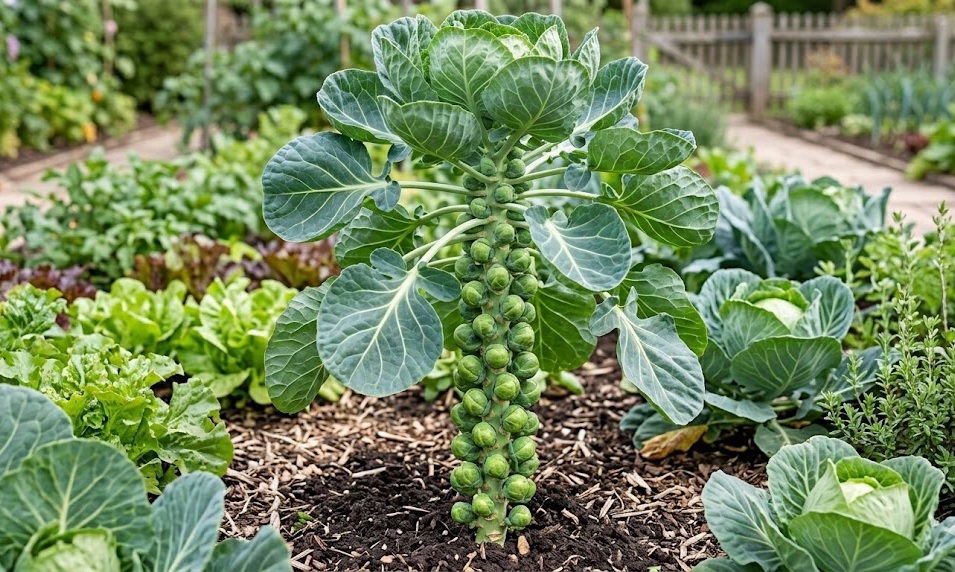

Protecting your Brussels sprouts from the wide array of diseases and pests that target brassicas is a constant challenge for even the most experienced growers. Because these plants occupy the garden for such a long time, they are exposed to multiple generations of insects and various seasonal disease pressures. You must adopt a proactive and integrated approach to pest management that prioritizes prevention and early detection. By understanding the life cycles of common threats, you can implement effective control measures that protect your harvest without relying solely on harsh chemical interventions.
Fungal diseases are among the most common issues you will face, particularly in regions with high humidity or frequent rainfall. Pathogens like clubroot or powdery mildew can quickly spread through a densely planted garden if the conditions are right. You should focus on maintaining excellent air circulation and soil drainage to create an environment that is less hospitable to these harmful fungi. Using disease-resistant varieties is also a powerful first line of defense that can save you a significant amount of effort later in the season.
Bacterial problems can be equally devastating, often manifesting as soft rot or leaf spotting that compromises the health of the entire plant. These issues are frequently introduced through contaminated tools, seeds, or even by water splashing up from the soil onto the foliage. You should practice strict garden hygiene by sanitizing your equipment and removing any infected plant material immediately to prevent further spread. Managing the moisture levels on the leaves is a key strategy for keeping bacterial populations under control.
Pests like aphids, cabbage worms, and slugs are perennial visitors that can cause significant physical damage to the leaves and developing sprouts. You need to be vigilant in your daily inspections, looking for holes in the foliage or clusters of insects on the undersides of the leaves. Implementing a variety of control methods, from physical barriers to biological agents, allows you to manage these threats effectively. A healthy plant is naturally more resistant to attack, so maintaining overall vigor is your best defense against the insect world.
Identifying and managing fungal infections
Clubroot is a serious soil-borne fungal disease that causes the roots to become swollen and distorted, preventing the plant from absorbing water and nutrients. You may notice your plants wilting during the day and recovering at night, which is a classic early symptom of this infection. To manage clubroot, you should focus on raising the soil pH to above seven by adding lime, as the fungus thrives in acidic conditions. Crop rotation is also essential, as the spores can survive in the soil for many years, waiting for a host.
More articles on this topic
Downy mildew and powdery mildew are two common foliar fungi that can coat the leaves in a white or grayish film, reducing the plant’s ability to photosynthesize. These issues usually appear when the weather is damp and the air is stagnant around the plants. You can reduce the risk by spacing your plants correctly and avoiding overhead watering that leaves the foliage wet for long periods. If an infection is caught early, an organic fungicide like a neem oil or a potassium bicarbonate spray can be quite effective.
Black leg and black rot are more aggressive fungal and bacterial issues that can cause dark lesions on the stems and leaves, eventually leading to the death of the plant. These diseases are often seed-borne, so it is vital to source your seeds from reputable suppliers who practice rigorous disease testing. If you spot these symptoms, you must remove the entire plant and dispose of it far away from your compost pile to prevent the spores from overwintering. Rotating your crops so that no brassicas are grown in the same spot for at least three years is the best preventative measure.
Alternaria leaf spot is another fungal concern that presents as small, dark circles with concentric rings on the older leaves. While it usually doesn’t kill the plant, it can weaken it and make the harvested sprouts less appealing. Keeping the garden free of plant debris and maintaining high soil fertility helps the plants outgrow the damage caused by this pathogen. Consistent monitoring and quick removal of infected lower leaves will go a long way in keeping your crop looking professional and healthy.
Common bacterial issues and their solutions
Soft rot is a bacterial condition that turns the tissue of the sprouts or the main stem into a mushy, foul-smelling mass. This usually occurs when the plant has been wounded by insects or through careless pruning, allowing the bacteria to enter the vascular system. You should be extremely careful when working around your plants to avoid causing any unnecessary mechanical damage. If soft rot appears, it is often best to harvest the healthy parts of the plant immediately and discard the rest to prevent a total loss.
More articles on this topic
Black rot, caused by the bacterium Xanthomonas campestris, is one of the most destructive diseases for all brassicas worldwide. It typically starts as yellow, V-shaped lesions on the leaf margins that eventually turn black and dry out. This bacterium moves through the plant’s water-conducting tissues, often leading to systemic infection and stunted growth. Using certified disease-free seeds and practicing excellent weed control (as many weeds can host the bacteria) are your most effective tools for managing this threat.
Bacterial leaf spot can cause small, water-soaked spots on the leaves that later turn brown and brittle. While this is often a cosmetic issue, a severe infection can defoliate the plant and significantly reduce its energy reserves. You can minimize the spread by avoiding working in the garden when the foliage is wet, as bacteria are easily transported on clothing and tools. Ensuring that your plants have adequate spacing for rapid drying after rain or dew is a simple but effective cultural control.
Maintaining a healthy soil microbiome is a sophisticated way to naturally suppress bacterial pathogens in the garden. By adding high-quality compost and avoiding the over-use of synthetic chemicals, you encourage beneficial bacteria and fungi that compete with the harmful ones. This biological balance creates a more resilient system where minor infections are less likely to turn into major outbreaks. A professional approach to disease management always starts with the health of the soil and the environment.
Recognizing and controlling common insect pests
The cabbage white butterfly is perhaps the most famous enemy of the Brussels sprout grower, as its green caterpillars can quickly strip a plant of its foliage. You will often see the white butterflies fluttering around your garden, looking for a place to lay their yellow, cone-shaped eggs. Manual removal of the eggs and larvae is effective for small gardens, but larger operations may require more systematic controls. Covering your crop with a fine insect netting from the moment of transplanting is a highly effective way to prevent the butterflies from reaching the leaves.
Aphids are tiny, sap-sucking insects that tend to cluster in the tight crevices of the developing sprouts and on the undersides of the leaves. They can cause the foliage to curl and yellow, and they often secrete a sticky substance called honeydew that encourages the growth of sooty mold. You can often manage small populations with a strong blast of water from a garden hose or by applying an insecticidal soap. Encouraging natural predators like ladybugs and lacewings is a sustainable, long-term strategy for keeping aphid numbers under control.
Flea beetles are small, shiny insects that jump like fleas when disturbed and chew hundreds of tiny holes in the leaves of young plants. This “shothole” damage can be particularly devastating for seedlings that are trying to establish themselves in the garden. You can protect young plants with row covers or by using trap crops like radishes to draw the beetles away from your main harvest. As the plants mature, they generally become more resilient to flea beetle damage, but early protection is vital for a strong start.
Cabbage root maggots are the larvae of a small fly that lays its eggs at the base of the plant, where the maggots then burrow into and feed on the roots. This can cause the plants to wilt and die suddenly, especially during dry weather when the damaged roots cannot keep up with the water demand. Using physical barriers like “cabbage collars” made of cardboard or felt can prevent the flies from laying their eggs near the stem. Maintaining a clean garden and rotating your crops are also essential for breaking the life cycle of this persistent pest.
Integrated pest management for a balanced garden
Integrated Pest Management (IPM) is a professional strategy that combines biological, cultural, and physical controls to manage pests with minimal environmental impact. Instead of reaching for a chemical spray at the first sign of an insect, you should first evaluate the extent of the damage and identify the specific culprit. This targeted approach allows you to choose the most effective and least disruptive intervention for your specific situation. By fostering a diverse garden ecosystem, you enlist nature’s help in keeping pest populations at manageable levels.
Companion planting is a key component of an IPM strategy, as certain plants can repel pests or attract beneficial insects. For example, planting marigolds or nasturtiums around your brassicas may help deter some harmful insects while adding beauty to your garden. Herbs like dill and fennel are excellent for attracting parasitic wasps that prey on cabbage worms and other caterpillars. These natural partnerships create a more robust and self-sustaining garden that requires less intensive management from you.
Pheromone traps and sticky cards can be used to monitor the arrival and population density of specific pests in your area. This data allows you to time your interventions more precisely, ensuring that you act only when the threat is truly significant. For example, knowing exactly when the cabbage root fly is most active helps you decide when to apply protective collars or covers. Monitoring is the “intelligence-gathering” phase of professional pest management that informs all your subsequent actions.
If you must use pesticides, prioritize organic and selective products that target the specific pest without harming bees or other beneficial insects. Products containing Bacillus thuringiensis (Bt) are highly effective against caterpillars but have no effect on other types of insects or mammals. Always read the label carefully and apply these products in the evening when pollinators are less active. A responsible and informed approach to pest control is what separates the expert horticulturist from the amateur gardener.
Long-term prevention and garden hygiene
The importance of garden hygiene cannot be overstated when it comes to preventing the recurring cycle of diseases and pests. At the end of every season, you should remove all plant residues, including the large stalks and any fallen leaves, from the garden beds. Many pathogens and insects overwinter in this debris, waiting to infect your new crop the following spring. Composting this material at high temperatures or disposing of it off-site is a critical step in maintaining a clean and healthy growing environment.
Crop rotation is a fundamental practice for any professional vegetable grower, as it prevents the buildup of host-specific pests and diseases in the soil. You should never plant Brussels sprouts or any other brassicas in the same location more than once every three or four years. By moving the crop around the garden, you effectively “starve out” the pathogens and insects that rely on that specific plant family to survive. This simple temporal strategy is one of the most effective ways to ensure long-term success in the garden.
Investing in high-quality, disease-resistant seeds and healthy transplants is a proactive step that pays dividends throughout the entire season. Starting with strong genetics means your plants will have a natural advantage in resisting the environmental pressures they will inevitably face. You should also inspect any transplants you buy from a nursery very carefully for signs of hitchhiking pests or early disease symptoms. Bringing a single infected plant into your garden can compromise your entire season’s work, so be a discerning buyer.
Finally, maintaining the overall health and vigor of your plants through proper watering and fertilization is your best insurance policy against damage. A plant that is receiving the perfect balance of nutrients and water is naturally more resilient and can often recover from minor pest or disease issues without intervention. Stress is the primary factor that makes plants vulnerable to attack, so your job as an expert is to minimize that stress at every turn. A well-tended garden is a naturally protected garden that rewards your expertise with a bountiful and healthy harvest.