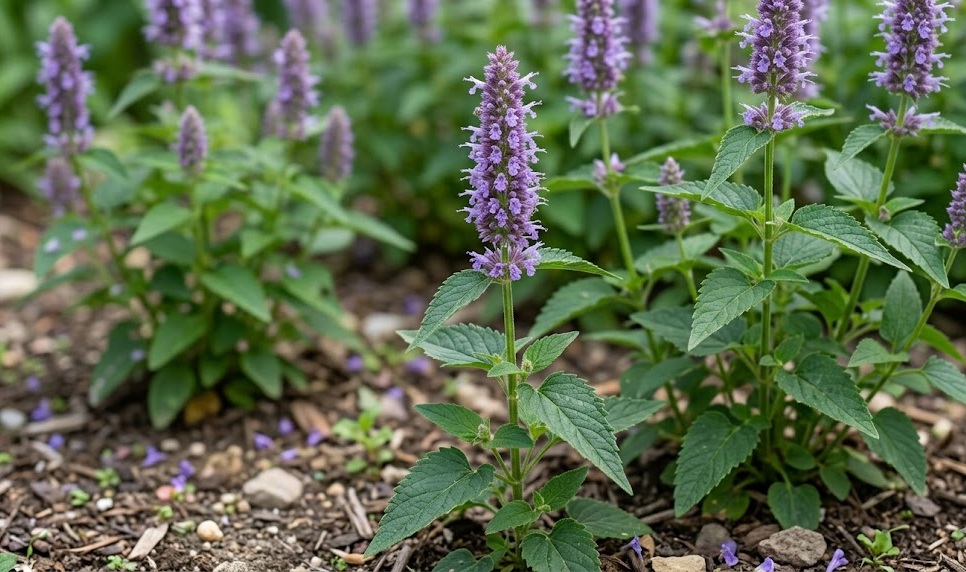

Maintaining the health of anise hyssop involves proactive monitoring and a deep understanding of the potential threats that can impact its vigor. While this species is generally robust and less prone to issues than many other perennials, it is not entirely immune to environmental stressors. Professional garden management focuses on prevention through cultural practices and early detection of any emerging problems. By creating a healthy growing environment, you can minimize the impact of pests and diseases and ensure your plants remain a highlight of the garden.
Identifying and managing common fungal issues
Powdery mildew is perhaps the most frequent fungal challenge faced by gardeners growing anise hyssop, especially during humid summers. This condition appears as a white, flour-like coating on the surface of the leaves, often starting on the lower sections of the plant. It is primarily caused by poor air circulation and high humidity levels, which create the perfect environment for fungal spores to germinate. While it rarely kills the plant, it can significantly detract from its appearance and reduce its overall photosynthesizing capacity.
To prevent powdery mildew, ensure that your plants are spaced adequately to allow for maximum airflow between the stems. Avoid overhead watering whenever possible, as wet foliage is much more susceptible to infection than dry leaves. If you notice the first signs of the fungus, removing the most affected leaves can help slow its spread to the rest of the plant. In severe cases, organic fungicides like neem oil or a simple bicarbonate solution can be applied to manage the outbreak.
Root rot is another serious fungal concern that typically arises from overwatering or poorly draining soil conditions. Unlike powdery mildew, root rot happens out of sight beneath the soil surface, making it much harder to detect in its early stages. The first visible symptoms are usually a general decline in vigor, yellowing leaves, and stems that feel soft or mushy at the base. Once the root system is extensively damaged, the plant often collapses and cannot be saved by traditional means.
Prevention is the only truly effective strategy for dealing with root rot in the perennial garden. This starts with proper site selection and soil preparation to ensure that water never sits around the base of the plant for long periods. If you suspect a plant is suffering from root rot, it is best to remove it and the surrounding soil to prevent the fungus from spreading. Improving the drainage of the entire bed before replanting is essential for the long-term health of your future botanical collection.
More articles on this topic
Recognizing and controlling insect pests
Aphids are small, sap-sucking insects that can sometimes be found clustered on the tender new growth of anise hyssop in the spring. They cause damage by piercing the plant tissues and extracting vital fluids, which can lead to distorted leaves and stunted growth. These pests also secrete a sticky substance known as honeydew, which can attract ants and promote the growth of sooty mold. Fortunately, aphids are usually easy to manage if caught early before their populations explode.
A strong stream of water from a garden hose is often enough to dislodge aphids and reduce their numbers significantly without the use of chemicals. You can also encourage natural predators like ladybugs and lacewings to take up residence in your garden by providing a diverse habitat. These beneficial insects provide a constant and effective form of biological control that keeps pest populations in balance. For more persistent infestations, an application of insecticidal soap can be used with minimal impact on the environment.
Slugs and snails can occasionally target the lower foliage of young anise hyssop plants, especially during damp spring nights. Their feeding activity is characterized by large, irregular holes in the leaves and telltale trails of silvery slime across the soil and stems. While mature plants are usually tough enough to withstand some browsing, young seedlings can be severely damaged or even killed. Managing these pests involves a combination of environmental modifications and targeted interventions.
Removing debris and heavy mulch from the base of the plants reduces the cool, moist hiding spots that slugs and snails prefer. Hand-picking the pests during the evening or early morning is a highly effective way to keep their numbers in check. Some gardeners also use physical barriers like copper tape or crushed eggshells to protect particularly vulnerable specimens. By remaining vigilant and taking action at the first sign of damage, you can protect your plants throughout their most vulnerable stages.
More articles on this topic
Abiotic disorders and environmental stress
Sometimes the symptoms that look like a disease are actually the plant’s response to unfavorable environmental conditions. Heat stress can cause the leaves of anise hyssop to wilt or develop brown, crispy edges during the peak of a summer heatwave. This is often a temporary physiological response and the plant will usually recover once the temperatures drop in the evening. Providing extra water during these extreme periods can help the plant cope with the increased transpiration demands.
Nutrient deficiencies can also manifest as discolorations or growth abnormalities that may be mistaken for viral or fungal infections. For example, a lack of nitrogen often results in a general yellowing of the older leaves while the rest of the plant appears healthy. Interveinal chlorosis, where the veins remain green but the rest of the leaf turns yellow, is often a sign of iron or magnesium deficiency. A soil test is the best way to confirm these issues before attempting to fix them with amendments.
High soil pH or salinity can lead to stunted growth and a lack of vigor that leaves the plant more susceptible to secondary infections. Anise hyssop prefers slightly acidic to neutral soil and may struggle in areas with very alkaline conditions. If your garden has naturally alkaline soil, you may notice that the plants never quite reach their full potential despite proper watering. Amending the soil with sulfur or using acidifying organic matter can help bring the pH into a more favorable range.
Physical damage from wind or heavy rain can create entry points for pathogens that might not otherwise be a problem. Stems that have been bent or broken should be pruned cleanly to help the plant heal quickly and prevent decay. During the winter, the expansion and contraction of the soil during freeze-thaw cycles can sometimes push the crown of the plant out of the ground. This “heaving” exposes the sensitive roots to the air and requires gentle re-planting to ensure the plant’s survival.
Promoting a resilient garden ecosystem
The best defense against any pest or disease is a strong, healthy plant growing in its ideal environment. Stressed plants emit chemical signals that can actually attract pests, creating a cycle of decline that is difficult to reverse. By focusing on the basics of soil health, proper watering, and adequate sunlight, you provide your anise hyssop with the tools it needs to defend itself. A resilient plant can easily withstand minor pest pressure without any significant loss of beauty or productivity.
Diversity in the garden is another powerful tool for managing potential threats to your horticultural collection. When you plant a wide variety of species, you prevent any single pest or disease from spreading rapidly through the entire landscape. This “ecological buffering” ensures that an outbreak on one plant doesn’t necessarily mean a disaster for the whole garden. Creating a complex tapestry of plants also supports a wider array of beneficial insects that help maintain a natural balance.
Observational skills are the hallmark of a professional gardener and are essential for early detection of any issues. Taking a few minutes each day to walk through the garden and inspect your plants can save hours of work later on. Look for changes in leaf color, unusual spots, or the presence of insects that shouldn’t be there. Early intervention is almost always more successful and less resource-intensive than trying to manage a full-blown crisis.
Finally, remember that a perfectly pristine garden is neither natural nor necessary for the health of your plants. A few holes in a leaf or a small amount of mildew toward the end of the season is usually not cause for alarm. Learning to tolerate a certain level of natural activity allows you to enjoy the garden more and rely less on intensive management. Horticulture is as much about understanding nature’s limits as it is about trying to control them for our own aesthetic goals.
Strategic prevention and seasonal maintenance
Cleanliness in the garden is a simple but often overlooked aspect of pest and disease management. Removing fallen leaves and spent flower spikes at the end of the season can eliminate overwintering sites for many common pests and fungi. This “sanitation” is particularly important if you have had specific issues during the current growing season. Taking the time for a thorough autumn cleanup sets the stage for a much healthier and easier spring.
Proper tool maintenance is also vital for preventing the accidental spread of pathogens from one plant to another. Always clean your pruning shears with a disinfectant like rubbing alcohol after working on a plant that shows signs of disease. This small habit prevents you from inadvertently introducing a problem into a healthy section of your garden. It is a professional practice that makes a significant difference in the long-term health of any perennial border.
Crop rotation is a concept usually associated with vegetables, but it can also be applied to perennial gardens over the long term. If a particular spot in the garden seems to always have issues with a specific disease, consider planting something else there for a few years. This break in the host cycle can help reduce the concentration of pathogens in the soil and allow it to recover. Experimenting with different plant combinations can also help you find the most resilient layout for your specific site.
Building a relationship with your garden means learning from both your successes and your failures. Each season provides new data on which plants are the toughest and which ones require more attention. By recording these observations, you become a more informed and effective steward of your outdoor space. Protecting the health of your anise hyssop is a rewarding challenge that deepens your understanding of the intricate world of horticulture.