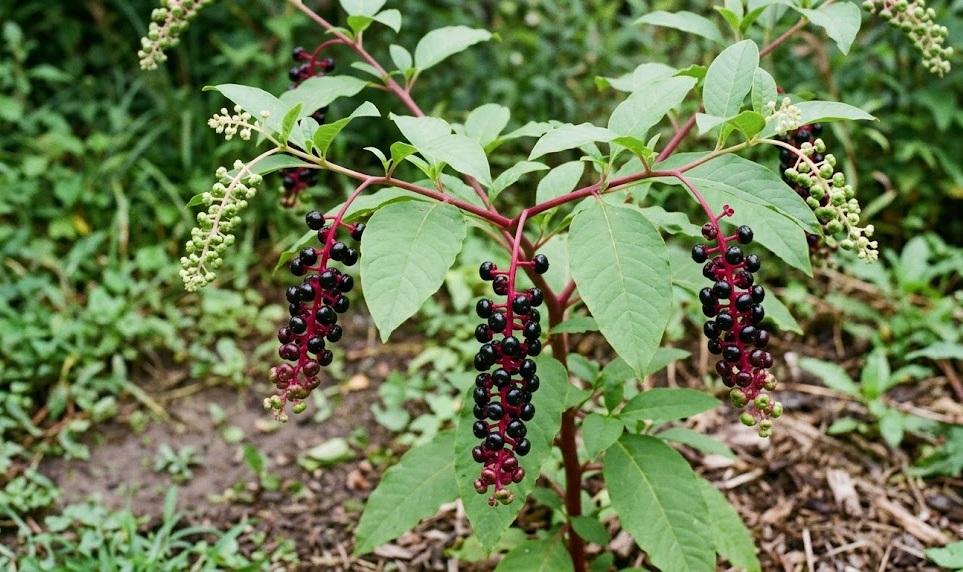

While the American pokeweed is an exceptionally hardy and vigorous plant, it is not entirely immune to the challenges of diseases and pests in the garden. Understanding the potential threats to its health is a critical part of being a professional gardener and ensuring your landscape remains vibrant. Most issues can be managed effectively if they are identified early and treated with the appropriate botanical and cultural methods. By staying vigilant and informed, you can protect your pokeweed from the various pathogens and insects that might try to hinder its impressive growth.
The most common problems for this species often stem from environmental stressors that weaken the plant’s natural immune system. A plant that is already struggling with a lack of water or poor soil nutrition is much more likely to fall victim to an opportunistic infection. You should always aim to provide the best possible growing conditions as your first line of defense against any potential health issues. A healthy and well-maintained pokeweed is a difficult target for most common garden pests and diseases that might be present in your area.
In many cases, the natural chemical compounds found within the pokeweed act as a built-in defense mechanism against many herbivores. This is why you will rarely see significant damage from deer or rabbits, as the plant’s toxicity makes it unpalatable to most large mammals. However, there are still several specialized insects and microscopic pathogens that have evolved to bypass these defenses and feed on the plant. Recognizing these specific threats is a key part of your professional toolkit as a horticultural expert managing this unique and powerful perennial.
Regularly inspecting the undersides of the leaves and the junctions of the stems will help you catch any problems before they become widespread. You should look for any unusual spots, fuzzy growth, or signs of chewing that might indicate an active infestation or infection. Early intervention is often the difference between a minor cosmetic issue and a major setback for the plant’s seasonal development. Being proactive in your monitoring routine allows you to enjoy the beauty of the pokeweed with minimal stress and maximum professional success.
Common viral and bacterial infections
Viral infections are among the most serious diseases that can affect the American pokeweed, often manifesting as mottled or distorted foliage. The pokeweed mosaic virus is a specific pathogen that can cause the leaves to develop a streaked, yellow-and-green pattern that looks quite unnatural. This virus is typically spread by aphids as they move from plant to plant, making pest control an essential part of disease prevention. Once a plant is infected with a virus, there is no cure, so the focus must be on preventing the spread to other healthy specimens.
More articles on this topic
Bacterial leaf spot is another issue that can arise, especially during periods of high humidity and frequent rainfall in the spring or summer. You might see small, water-soaked spots appearing on the leaves, which eventually turn brown and develop a yellow halo around the edges. To manage this, you should avoid overhead watering and ensure there is plenty of space between plants for air to circulate freely. Removing and destroying any infected leaves as soon as they appear can help limit the bacterial population and protect the rest of the plant.
In some cases, bacterial infections can lead to a more severe condition known as crown rot, where the base of the plant begins to soften and decay. This is usually caused by overly wet soil conditions or poor drainage that allows bacteria to thrive in the root zone. If you notice a foul smell or see the stems collapsing at the soil line, you may need to take drastic action to save the plant. Improving the drainage of the site and reducing the frequency of watering are the best professional ways to combat this devastating issue.
Managing viral and bacterial threats requires a combination of good hygiene and careful observation of your garden’s overall health. You should always clean your pruning tools with alcohol after working on a suspect plant to avoid carrying pathogens to other areas. If a plant becomes severely infected, it may be necessary to remove it entirely and dispose of it in the trash rather than the compost. This professional approach to garden sanitation is vital for maintaining a disease-free environment for all your valuable botanical specimens.
Fungal threats and environmental factors
Fungal diseases are perhaps the most common category of health issues you will encounter when growing American pokeweed in a humid climate. Powdery mildew is a frequent visitor, appearing as a white, flour-like dusting on the surface of the leaves during the late summer months. While it is often mostly a cosmetic problem, a severe infection can weaken the plant by interfering with its ability to perform photosynthesis. Increasing the airflow around the plant and avoiding late-evening watering are effective ways to keep this fungus at bay without using harsh chemicals.
More articles on this topic
Another fungal concern is verticillium wilt, which lives in the soil and attacks the plant’s vascular system, preventing the flow of water and nutrients. You might notice the leaves on one side of a stem turning yellow and wilting, even if the soil is perfectly moist to the touch. This can be a very challenging disease to manage, as the fungus can persist in the soil for many years even after the host plant is gone. If you suspect your soil is contaminated, it is best to avoid planting other susceptible species in that same area for several seasons.
Rust is another fungal pathogen that can occasionally affect pokeweed, showing up as small, orange or reddish pustules on the undersides of the foliage. This disease thrives in cool, damp conditions and can spread quickly through spores carried by the wind or splashing water. You should proactively remove any leaves that show signs of rust to prevent the spores from maturing and infecting the rest of the garden. Maintaining a tidy garden floor by removing fallen debris is a professional strategy that significantly reduces the number of fungal spores present.
The key to managing fungal issues is to create an environment that is less favorable for their growth and reproduction. This means being mindful of your plant spacing, watering habits, and general garden cleanliness throughout the entire year. If necessary, you can use organic fungicidal sprays like neem oil or potassium bicarbonate to treat active infections during the growing season. A professional gardener knows that prevention is always easier and more effective than trying to cure a widespread fungal outbreak after it has taken hold.
Insect pests and biological control
While many insects are deterred by the pokeweed’s chemical defenses, there are still several pests that can cause noticeable damage to the foliage. Aphids are small, sap-sucking insects that can congregate on the tender new growth and transmit viral diseases as they feed. You might notice the leaves curling or becoming sticky with honeydew, which is a clear sign of an active aphid colony. A strong blast of water from a garden hose is often enough to knock them off the plant and keep their numbers under professional control.
The pokeweed leafminer is a specialized insect that spends its larval stage feeding inside the leaf tissue, creating visible tunnels or “mines.” While the damage is usually mostly aesthetic, a high population of these larvae can make the plant look tattered and unhealthy by mid-summer. Since the larvae are protected inside the leaf, topical sprays are often ineffective, and the best approach is to remove the affected leaves by hand. This physical removal stops the life cycle of the pest and prevents a second generation from emerging later in the season.
Spider mites can also become a problem during hot, dry weather, causing the leaves to look stippled or dusty with fine webbing. These tiny pests thrive in dusty conditions, so keeping the area around the plant clean and occasionally misting the foliage can help prevent an outbreak. If the infestation is severe, applying an insecticidal soap or neem oil can effectively reduce the population without harming many beneficial insects. Always follow the professional guidelines for application to ensure the best results for your plants and the local environment.
Encouraging natural predators like ladybugs, lacewings, and predatory mites is one of the most sustainable ways to manage insect pests in your garden. By avoiding broad-spectrum pesticides, you allow these beneficial insects to thrive and do the hard work of pest control for you. This biological approach creates a balanced ecosystem where pest populations are kept in check by their natural enemies without human intervention. A professional gardener understands that a few insects are a natural part of a healthy garden and only intervenes when the damage becomes significant.
Preventative measures and overall plant health
The most effective way to deal with any disease or pest is to prevent it from ever becoming a problem in the first place. This starts with choosing healthy, disease-free plants or seeds and planting them in the optimal location for their specific needs. You should ensure that your American pokeweed has the right balance of light, water, and nutrients to keep it strong and resilient. A robust plant is much more capable of fighting off a minor infection or recovering from a small amount of insect feeding.
Maintaining a clean and organized garden is another professional habit that pays dividends in terms of plant health and disease prevention. You should regularly remove any dead or decaying plant material from around the base of the pokeweed where pests might hide or overwinter. Pruning away any damaged or crossing branches will also improve airflow and reduce the chances of moisture-related issues developing in the canopy. These simple acts of maintenance create an environment where your plants can thrive and reach their full potential.
Rotating your crops and being mindful of what you plant near your pokeweed can also help break the life cycles of certain pests and diseases. If you have had issues with soil-borne pathogens in the past, consider amending the soil with fresh compost to boost the population of beneficial microbes. You should also be aware of the “alternate hosts” for common diseases and avoid planting them in close proximity to each other. This strategic approach to garden planning is what defines a professional and knowledgeable horticulturalist in the modern age.
Ultimately, managing the health of your American pokeweed is an ongoing process of observation, education, and timely intervention. You should feel empowered by your knowledge of the plant’s potential issues and your ability to address them with professional skill. Every season brings new challenges, but with a solid foundation of care, your pokeweed will continue to be a highlight of your garden. Your dedication to excellence in plant health ensures that your landscape remains a beautiful and productive space for years to come.