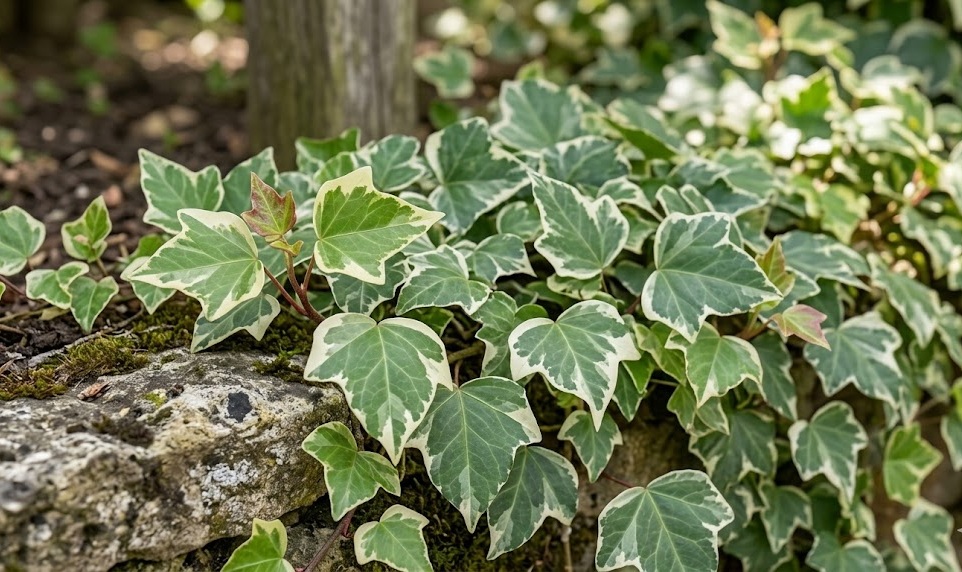

Protecting Algerian ivy from biological threats is a task that requires both preventive measures and a keen eye for early symptoms. While this species is generally robust, its large leaves and dense growth habit can provide a haven for various pests and pathogens. Understanding the common issues that affect this climber will allow you to intervene before a small problem becomes a major infestation. A proactive approach to plant health is always more effective than trying to save a severely weakened specimen.
Common fungal infections
Fungal leaf spot is one of the most frequent diseases that gardeners encounter with this particular ivy variety. It typically appears as small, dark brown or black spots on the foliage that may have a yellow halo. These spots can merge over time, causing large sections of the leaf to die and eventually fall off. To prevent this, avoid overhead watering and ensure there is enough space for air to circulate around the vines.
Anthracnose is another fungal issue that thrives in the cool, wet conditions often found in early spring or late autumn. It can cause irregular, sunken lesions on the leaves and stems, leading to significant wilting and dieback. If you notice these symptoms, it is important to prune away and destroy the infected parts of the plant immediately. Using a copper-based fungicide can also help to contain the spread if the infection is widespread.
Root rot is a devastating condition usually caused by fungi that thrive in waterlogged, poorly drained soils. The first sign is often a general wilting of the plant that does not improve after watering, followed by yellowing leaves. If you suspect root rot, you must act quickly to improve drainage or move the plant to a drier location. Unfortunately, once the main root system has turned mushy and black, the plant is often beyond saving.
Powdery mildew can occasionally appear as a white, dusty coating on the surfaces of the leaves and young stems. This fungus usually occurs when there is high humidity combined with stagnant air around the foliage. While it is rarely fatal, it can weaken the plant and make it look unsightly over time. Improving air circulation and using a simple baking soda spray or a commercial fungicide can keep it under control.
More articles on this topic
Bacterial leaf spot challenges
Bacterial leaf spot is a more serious concern than its fungal counterpart because it is often harder to treat once established. It presents as water-soaked spots that rapidly turn brown or black and may have a greasy appearance. This disease is highly contagious and can be spread through splashing water or by using contaminated garden tools. If you identify this issue, strict hygiene is necessary to prevent it from moving to other plants.
Managing a bacterial outbreak involves removing all affected leaves and stems as soon as they are spotted. You should never compost these materials, as the bacteria can survive the composting process and return to your garden later. Disinfect your pruning shears with a solution of bleach or alcohol between every single cut. This prevents the unintentional transfer of the bacteria from an infected branch to a healthy one.
Cultural controls are the most effective way to minimize the risk of bacterial infections in your ivy. Since the bacteria enter the plant through wounds or natural openings, avoid pruning during wet weather when the pathogens are most active. Keeping the foliage as dry as possible is your primary goal when managing this specific threat. Proper plant spacing and selecting a site with good natural airflow will also make a significant difference.
In severe cases, you might need to use a bactericide containing copper to protect the remaining healthy tissue. These treatments are most effective when applied as a preventative measure during periods of high risk. However, they cannot cure leaves that are already showing symptoms, so pruning remains a critical part of the process. If a plant is completely overwhelmed, it may be best to remove it entirely to save the rest of your collection.
More articles on this topic
Monitoring for common pests
Spider mites are the most persistent pests for those growing Algerian ivy, particularly in warm and dry indoor environments. These tiny arachnids live on the undersides of the leaves and suck the sap, causing a stippled or yellowed appearance. You might also notice fine, silky webbing between the stems if the infestation has become significant. Increasing the humidity and giving the plant a strong spray of water can often dislodge these pests.
Aphids are small, soft-bodied insects that congregate on the tender new growth of the ivy vines. They can be green, black, or even reddish in color and feed by piercing the plant tissue. Their feeding causes the new leaves to become distorted or curled as they develop. Aphids also secrete a sticky substance called honeydew, which can attract ants and lead to the growth of sooty mold.
Scale insects can be particularly difficult to spot because they look like small, motionless bumps on the stems or leaf veins. These pests have a protective waxy covering that makes them resistant to many contact insecticides. They slowly drain the plant’s energy, leading to yellowing foliage and a general decline in the plant’s health. You can treat small infestations by dabbing the individual scales with a cotton swab dipped in rubbing alcohol.
Mealybugs are another common sap-sucking pest that looks like small bits of white, fluffy cotton on the plant. They tend to hide in the crevices where the leaves meet the stems, making them hard to reach with simple sprays. Like aphids, they produce honeydew and can cause significant damage if left to multiply unchecked. Regularly inspecting the hidden parts of your ivy is the best way to catch these stowaways before they cause trouble.
Integrated pest management
The first line of defense in any pest management strategy is to keep the plant as healthy as possible through proper care. A stressed or weakened ivy is far more attractive to pests than one that is thriving in its ideal conditions. Ensure the plant has the right amount of light, water, and nutrients to maintain its natural defenses. Routine inspections should be a part of your weekly garden or houseplant maintenance schedule.
For small pest problems, physical removal is often the safest and most effective method of control. You can use a strong stream of water from a garden hose or showerhead to wash away aphids and spider mites. For larger pests like scale or mealybugs, manual removal or pruning out the most infested branches can work wonders. This approach avoids the use of chemicals and preserves the beneficial insects in your garden.
If physical methods are not enough, consider using horticultural oils or insecticidal soaps as a secondary measure. These products work by smothering the pests rather than poisoning them, which is safer for the environment. They are particularly effective against soft-bodied insects like aphids, mites, and young scale. Make sure to cover both the tops and bottoms of the leaves for the best possible results.
Encouraging natural predators into your garden is a sustainable, long-term way to manage pest populations. Ladybugs, lacewings, and predatory mites are all beneficial insects that feed on common ivy pests. Avoid using broad-spectrum chemical pesticides, as these will kill the “good bugs” along with the “bad” ones. Creating a diverse garden environment will help to keep the ecosystem in balance naturally.
Prevention and long term protection
Quarantining new plants before adding them to your collection is a vital step that many people skip. When you bring a new ivy home, keep it in a separate area for two to three weeks to monitor for any hidden issues. This simple precaution can prevent the introduction of pests or diseases to your existing, healthy plants. If you see any signs of trouble during this time, treat the new plant fully before moving it.
Maintaining a clean environment around your ivy is another important factor in disease prevention. Clear away fallen leaves and other debris that can harbor fungal spores or provide hiding places for pests. In groundcover situations, try to thin out the vines occasionally to ensure sunlight and air can reach the lower layers. Good sanitation practices are the foundation of a healthy and disease-free garden space.
Using sterilized tools is a habit that will pay off by preventing the spread of pathogens between plants. Always clean your shears and trowels after working with a plant that shows signs of illness. A quick wipe with a disinfectant is all it takes to break the cycle of infection in your landscape. This is especially important when dealing with the bacterial issues mentioned earlier in this article.
Finally, selecting resistant varieties if they are available can give you a head start in plant protection. While all Algerian ivy shares some common vulnerabilities, some cultivars may show better resistance to certain local issues. Talk to experts at your local nursery to see which varieties perform best in your specific climate and soil conditions. By combining good variety selection with proactive care, you can enjoy a beautiful ivy for many years.