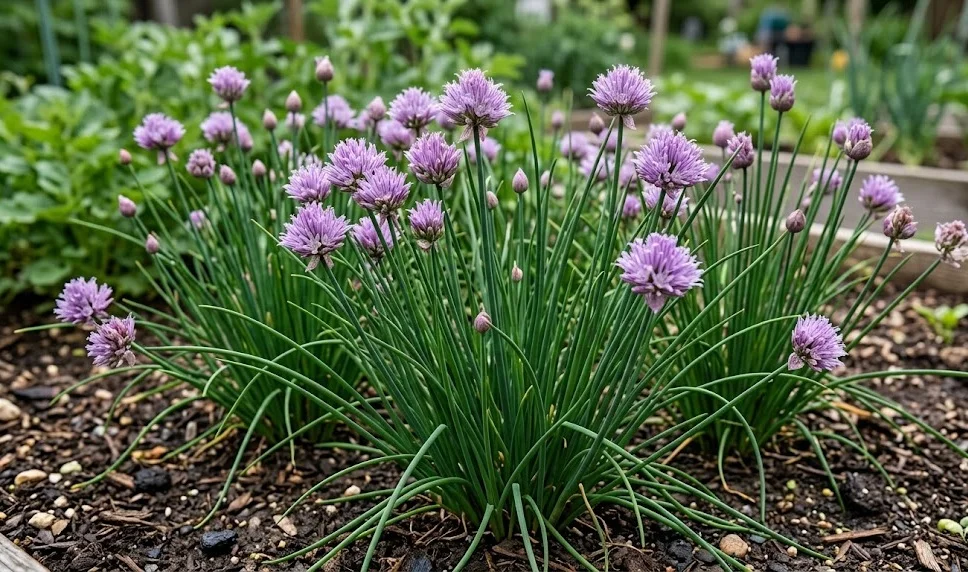

Protecting your herb garden from the threats of disease and insect damage is an essential part of becoming a successful horticulturist. While chives are generally known for their robust health and natural pest-repellent properties, they are not completely invincible in the face of nature’s challenges. A professional approach to plant protection begins with the understanding that prevention is always more effective than trying to cure a problem after it has taken hold. By recognizing the early signs of trouble, you can take swift action to keep your herb patch thriving and productive.
Fungal issues are perhaps the most common category of disease that can affect alluer species in a typical garden setting. These problems often arise when environmental conditions, such as high humidity and poor air circulation, create the perfect breeding ground for spores. You might see unusual spots, fuzzy growth, or a general decline in the vigor of the foliage when fungi are present. Managing the environment around your plants is the best way to ensure that these microscopic invaders never get a chance to establish themselves.
Insects can also be a nuisance, although chives are often used in companion planting specifically to drive away pests from other crops. Some specialized insects have evolved to feed on onions and their relatives, and they can occasionally find their way to your herb bed. These pests can cause damage by sucking the sap from the leaves or by tunneling into the bulbs beneath the soil surface. Identifying the specific culprit is the first step in choosing a management strategy that is safe for both the plants and the people who eat them.
The overall health of your plants is their primary defense against any biological threat, whether it be a fungus or an insect. Plants that are well-watered, properly fed, and growing in the right amount of light have stronger cell walls and better natural immune responses. Stress, on the other hand, makes the herb much more vulnerable to attack and less capable of recovering once the damage is done. Your daily care routine is the foundation upon which all of your pest and disease management efforts are built.
Fungal issues and leaf health
Rust is a specific fungal disease that can be particularly frustrating for those growing chives in damp or humid climates. It appears as small, orange or reddish-brown pustules on the green stalks, which can eventually cause the entire leaf to turn yellow and die. This fungus spreads through water droplets and air currents, making it important to act quickly once you spot the first signs. Removing and destroying any infected foliage is the professional way to stop the spread of rust within your herb patch.
More articles on this topic
Downy mildew is another fungal concern that often appears during periods of cool, wet weather in the spring or autumn. You may notice a grayish or purplish fuzzy growth on the leaves, followed by yellowing and a general softening of the plant tissue. This disease thrives in stagnant air, so ensuring that your plants are not overcrowded is a critical preventative measure. Improving the drainage around the roots can also help reduce the overall humidity levels that the mildew needs to flourish.
Botrytis, or gray mold, can sometimes affect the base of the chive stalks, especially in very dense clumps where moisture gets trapped. This fungus causes a soft rot and a characteristic gray, fuzzy coating that can quickly spread to healthy tissue. To prevent this, always clear away dead leaves from the previous season and avoid getting the base of the plant wet when you water. If you find gray mold, you should thin out the clump to allow more sunlight and air to reach the soil surface.
The key to managing all fungal diseases is to avoid creating the “damp and dark” conditions they love. Always water your plants at the soil level rather than from above to keep the foliage as dry as possible. If you must use overhead irrigation, do it early in the morning so the sun can dry the leaves quickly. Using professional spacing and thinning techniques will ensure that every part of the plant gets the ventilation it needs to stay healthy.
Insect pests and their management
Aphids are the most frequent insect visitors to the tender green tips of chive stalks, where they suck the sap and weaken the plant. These tiny, soft-bodied insects can be green, black, or even orange, and they often multiply very rapidly if left unchecked. You may notice the leaves becoming distorted or covered in a sticky substance called honeydew, which is a byproduct of the aphids’ feeding. A strong stream of water from the garden hose is often enough to knock them off and keep their numbers under control.
More articles on this topic
The onion fly is a more specialized pest that can cause serious damage by laying its eggs at the base of the plant. Once the larvae hatch, they tunnel into the bulbs and roots, leading to wilting and the eventual death of the herb clump. This pest is more common in areas where large-scale onion farming takes place, but it can still find its way into home gardens. Using a fine mesh row cover during the spring can prevent the adult flies from reaching your plants to lay their eggs.
Thrips are very small, slender insects that feed by scraping the surface of the leaves and sucking up the juices. This results in a characteristic silvery or streaked appearance on the green stalks, which can reduce the aesthetic and culinary value of the herb. While they rarely kill a healthy plant, a large infestation can significantly stunt the growth of your chives. Encouraging natural predators like ladybugs or lacewings in your garden is a professional and organic way to manage thrip populations.
Leek moths are a concern in some regions, as their caterpillars tunnel into the hollow leaves and feed from the inside. You might see small “windows” in the leaf tissue where the caterpillars have eaten everything except the outer layer. If you suspect leek moths, look for small brown pupae at the base of the plant or within the debris. Cleaning up your garden in the fall and rotating your herb crops can help break the life cycle of this particular pest.
Preventative measures for a healthy garden
The most effective tool in your pest management kit is a sharp pair of eyes and a regular schedule for inspecting your plants. Take a few moments each week to look closely at the base of the stalks and the undersides of the leaves for any unusual signs. Catching a problem when it only affects one or two leaves is much easier than dealing with a whole garden infestation. This proactive approach is the hallmark of a professional who understands the dynamics of their local ecosystem.
Proper spacing between your herb clumps is not just about looks; it is a vital strategy for preventing the spread of both pests and diseases. When plants are too close together, they create a microclimate of high humidity and still air that is perfect for fungal spores. It also allows insects to move easily from one plant to another without being exposed to predators or the elements. Giving your chives enough room to breathe is one of the simplest things you can do to ensure their long-term health.
Sanitation is another critical preventative measure that is often overlooked by beginner gardeners. Always use clean, sharp tools when harvesting or pruning your herbs to avoid introducing pathogens into the open wounds. At the end of the growing season, clear away any fallen leaves or spent stalks that could provide a winter home for pests or fungal spores. Keeping a tidy herb bed is a professional habit that pays off in fewer problems and higher yields every year.
Rotating the location of your herbs every few years can help prevent the buildup of soil-borne pests and diseases. Even though chives are perennials, moving them to a fresh spot during a routine division can reset the environment and reduce the pressure from specialized pests. Avoid planting them in areas where other alliums, like onions or garlic, have recently been grown. This strategy of crop rotation is a time-tested professional practice that maintains the health of the entire garden.
Organic treatments for common problems
When prevention isn’t enough, there are many organic treatments available that can help you manage issues without the use of harsh chemicals. Insecticidal soaps are highly effective against soft-bodied pests like aphids and thrips and are safe to use on edible crops. These soaps work by breaking down the outer shell of the insect, leading to its dehydration and death. Always apply these treatments in the late evening or early morning to avoid any potential leaf burn from the sun.
Neem oil is a versatile organic product derived from the seeds of the neem tree, and it acts as both an insecticide and a fungicide. It can help deter pests from feeding on your plants and can also prevent fungal spores from germinating on the leaf surface. When using neem oil, be sure to follow the instructions carefully and apply it consistently for the best results. It is a favorite among professional organic growers for its broad-spectrum effectiveness and low environmental impact.
Baking soda sprays are a classic home remedy for managing fungal issues like powdery mildew or rust on garden plants. Mixing a small amount of baking soda with water and a drop of dish soap creates an environment on the leaf that is too alkaline for many fungi to survive. This treatment is best used as a preventative or at the very first sign of spotting on the green stalks. It is a cost-effective and safe way to protect your herbs using common household ingredients.
Encouraging beneficial insects is perhaps the most sustainable “treatment” you can implement in your garden. By planting a variety of flowers that provide nectar and pollen, you can attract predators like hoverflies and parasitic wasps that do the work for you. A balanced garden ecosystem is one where the pests are kept in check by their natural enemies, reducing your need to intervene manually. Professional organic gardening is all about working with nature rather than against it.
Soil-borne pathogens and root health
The health of the soil is directly linked to the health of the roots and the plant’s ability to resist underground threats. Soil-borne fungi like Fusarium or Pythium can cause root rot, especially in gardens where the earth stays wet for long periods. These pathogens attack the delicate tissues of the bulbs and roots, leading to a slow decline or sudden collapse of the entire clump. Improving your soil’s structure and drainage is the best professional defense against these invisible enemies.
Maintaining a healthy population of beneficial soil microbes can also help protect your plants from pathogenic fungi and bacteria. Adding high-quality compost or using microbial inoculants introduces “good” biology that competes with and suppresses the “bad” organisms. A living, vibrant soil acts as a natural immune system for the roots of your chives, providing a buffer against infection. Avoiding the over-use of synthetic fertilizers and pesticides will help keep these beneficial microbes thriving in your herb bed.
If you find that your plants are suffering from a persistent soil-borne issue, you may need to solarize the area or move your herb patch entirely. Soil solarization involves covering the ground with clear plastic during the hottest months to kill off pathogens with intense heat. While this is a more extreme measure, it can be a professional solution for a garden that has become heavily infested over time. Always focus on building healthy soil as the primary way to prevent these difficult problems from starting.
Finally, remember that some degree of insect activity is a normal and healthy part of any outdoor garden. You don’t need to eliminate every single bug; the goal is simply to keep their populations at a level that doesn’t significantly harm your plants. By following a professional care routine and using organic methods when necessary, you can enjoy a productive herb garden that is safe for you and the environment. Knowledge and observation are your most powerful tools for maintaining a healthy and beautiful patch of chives.