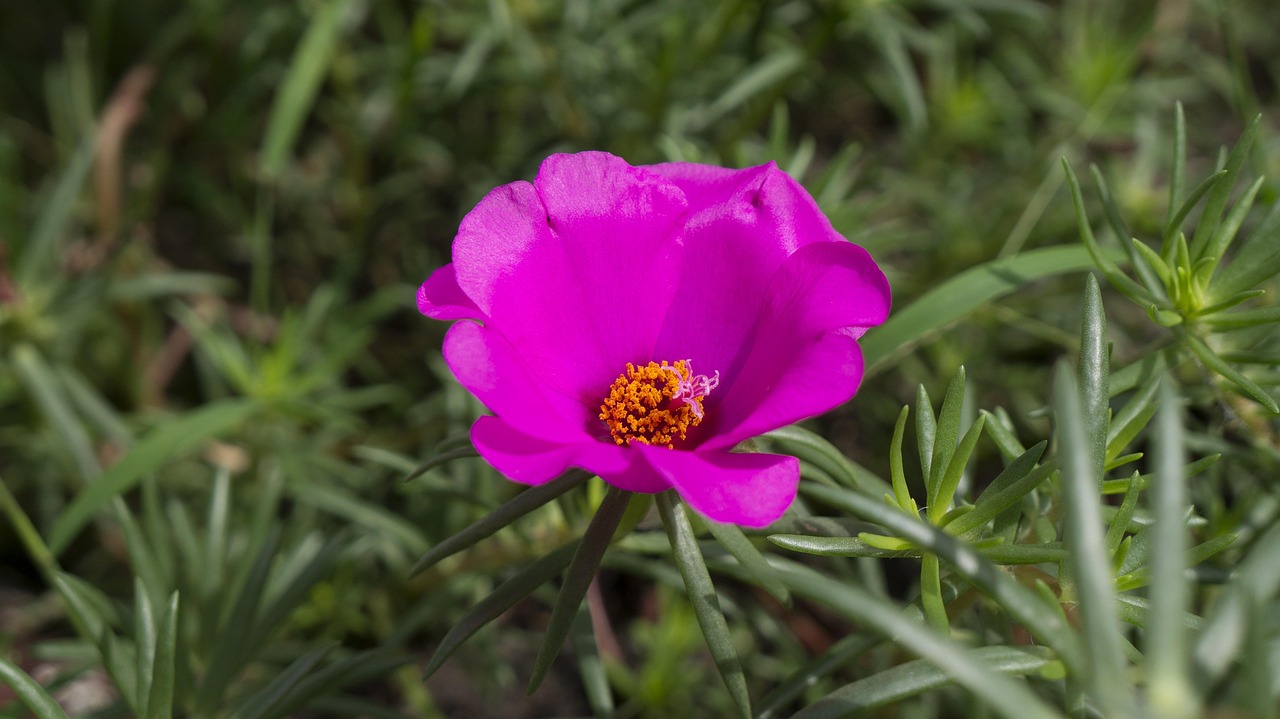

The moss rose, with its vibrant, jewel-toned flowers and succulent-like foliage, is a stunning addition to any garden, thriving in conditions that would challenge many other plants. Its resilience and beauty make it a favorite among both novice and experienced gardeners seeking a low-maintenance yet high-impact display. To truly unlock its potential, however, a fundamental understanding of its needs is essential, starting with its preference for sun-drenched locations and exceptionally well-draining soil. This plant is a true sun worshipper, requiring at least six to eight hours of direct sunlight daily to produce the abundant, cheerful blooms it is known for; anything less will result in leggy growth and sparse flowering.
Originating from the arid regions of South America, specifically Argentina, Uruguay, and Brazil, the moss rose is genetically programmed to flourish in hot and dry environments. This heritage dictates its core care requirements, making it an ideal candidate for rock gardens, container plantings, and sunny borders where other flowers might struggle. Its fleshy leaves are not just for show; they are a clever adaptation for storing water, allowing the plant to withstand periods of drought with remarkable ease. Understanding this background helps in appreciating why overwatering is one of the most significant threats to its health, often leading to root rot and other fungal issues. Therefore, providing conditions that mimic its native habitat is the surest path to a thriving, beautiful plant.
The beauty of the moss rose lies not only in its flowers but also in its growth habit. It forms a dense, spreading mat of foliage, effectively acting as a living mulch that can suppress weeds once established. This trailing characteristic makes it perfect for spilling over the edges of pots, cascading down retaining walls, or filling in gaps between paving stones, softening hardscapes with its delicate texture and vivid colors. Despite its delicate appearance, the foliage is surprisingly tough and resilient, contributing to the plant’s overall durability. Regular care, while minimal, should focus on maintaining the conditions it loves, ensuring it receives ample light and is protected from excessive moisture.
Success with moss rose is largely about providing the right foundation and then stepping back to let the plant perform. It is a testament to the idea that stunning floral displays do not always require intensive labor or constant attention. By respecting its natural inclinations for sun, heat, and dry soil, gardeners can enjoy a continuous spectacle of color from early summer until the first frost. The key is to avoid killing it with kindness, particularly by overwatering, which is a common mistake. With a mindful approach to its basic needs, the moss rose will reward you with a season-long performance that is both breathtaking and gratifyingly easy to achieve.
Soil and location selection
Choosing the right location is the single most critical factor in the successful cultivation of moss rose. This plant’s entire life revolves around the sun, so selecting a spot in the garden that receives a minimum of six, and preferably eight or more, hours of direct, unfiltered sunlight is non-negotiable. South-facing slopes, open flower beds without overhead tree cover, or containers placed on a sunny patio are all ideal settings. Insufficient light will lead to etiolation, a condition where the stems become long and weak as they stretch in search of light, and this will drastically reduce the number and quality of the blooms, which are the plant’s main attraction.
More articles on this topic
The composition of the soil is just as important as the amount of sunlight. Moss rose demands soil with excellent drainage, as its succulent leaves and stems are highly susceptible to rot in waterlogged conditions. A sandy or gravelly loam is the perfect medium, as it allows water to pass through quickly, keeping the root zone from becoming saturated. If your garden has heavy clay soil, which retains moisture, significant amendment is necessary. Incorporating generous amounts of coarse sand, perlite, or fine gravel will improve its porosity and create a much more hospitable environment for the plant’s root system.
When preparing a planting area, whether in the ground or in a container, think “lean.” Moss rose does not require, and in fact, can be harmed by, overly rich, fertile soil. Rich soils tend to hold more moisture and can promote excessive foliage growth at the expense of flowers. A simple, basic soil mix is all that is needed. For container gardening, a cactus or succulent potting mix is an excellent choice, or you can create your own by mixing standard potting soil with an equal part of sand or perlite. This ensures the rapid drainage that is crucial for preventing root diseases.
Finally, consider the physical placement in relation to other plants and structures. Due to its low-growing, spreading habit, moss rose works wonderfully as a ground cover, a border edger, or in the foreground of a mixed perennial bed. Its trailing nature is beautifully showcased in hanging baskets or when allowed to spill over the sides of retaining walls and containers. Giving it space to spread without being overshadowed by taller plants will ensure it receives the light it needs and allows its mounding form to be fully appreciated, creating a carpet of brilliant color throughout the warmest months of the year.
Temperature and climate preferences
The moss rose is a true warm-weather annual, thriving in the heat and sun that can cause other, more delicate plants to wilt and fade. It performs best in regions with hot, dry summers, mirroring the climate of its native South American plains. High temperatures are not a problem for this resilient plant; in fact, they often encourage more prolific blooming and vigorous growth. It is perfectly suited for climates where summer temperatures consistently climb into the 80s and 90s Fahrenheit (27-35°C). This heat tolerance makes it an invaluable asset in gardens that experience intense summer conditions.
More articles on this topic
While it loves heat, the moss rose has absolutely no tolerance for frost. As a tender annual in most climates, it will be killed by the first hard frost of autumn. This sensitivity to cold is a crucial consideration for gardeners in temperate zones. Planting should only commence after all danger of frost has passed in the spring and the soil has had a chance to warm up. Attempting to plant it out too early, when nighttime temperatures are still dipping, can stunt its growth or even kill the young plants, so patience in the spring is rewarded with robust summer performance.
Humidity is another climatic factor to consider, although it is less critical than temperature and sunlight. The moss rose prefers arid or semi-arid conditions and is not particularly fond of high humidity, especially when combined with poor air circulation. In very humid climates, the risk of fungal diseases such as botrytis or root rot increases. To mitigate this, ensure there is adequate spacing between plants to allow for good airflow, which helps the foliage dry out more quickly after rain or watering. Planting in raised beds can also improve drainage and air circulation around the base of the plants.
For gardeners in cooler, more northern climates, success with moss rose is still very achievable. The key is to maximize the amount of heat and light the plants receive during the growing season. Planting them next to a south-facing wall or a paved surface that absorbs and radiates heat can create a warmer microclimate. Using containers is also an excellent strategy, as they warm up faster than garden soil in the spring and can be moved to the sunniest possible location. By carefully selecting the warmest, most protected spot in the garden, even those in cooler regions can enjoy the spectacular floral display of the moss rose.
General maintenance and deadheading
One of the most appealing aspects of growing moss rose is its remarkably low maintenance requirements, making it an ideal choice for busy gardeners or those new to horticulture. Once established in a suitable location, it asks for very little in return for its brilliant display. The primary maintenance task is simply to ensure it is not being overwatered, as this is the most common pitfall. Beyond that, the plant is largely self-sufficient, requiring no complex pruning, staking, or frequent feeding to put on a spectacular show throughout the summer months.
The practice of deadheading, or removing spent flowers, can be beneficial for the moss rose, although it is not strictly necessary for its survival or continuous blooming. The flowers of the moss rose typically open in the morning sun and close in the late afternoon, lasting only a day or two. Removing these faded blossoms can encourage the plant to channel its energy into producing new buds rather than developing seeds. This can result in a tidier appearance and a more prolific and sustained flowering period, keeping the plant looking fresh and vibrant.
Performing deadheading on a moss rose is a simple task. You can either pinch off the old flowers with your fingers or use a small pair of scissors to snip them off just below the flower head. Because the plant produces so many blooms, this can be a meticulous job. An alternative, less time-consuming method is to give the entire plant a light shearing with garden shears every few weeks. This will remove many of the old flowers at once and also encourage bushier growth, leading to an even denser mat of foliage and flowers.
While deadheading can enhance performance, many modern cultivars of moss rose are “self-cleaning,” meaning the old flowers drop off cleanly on their own without the need for manual removal. These varieties will continue to bloom profusely throughout the season with minimal intervention. If you find the task of deadheading tedious, seeking out these self-cleaning varieties can make your gardening experience even more effortless. Regardless of the cultivar, the occasional tidying up will always benefit the plant’s overall health and aesthetic appeal, ensuring it remains a showstopper in your garden.
Container gardening with moss rose
Moss rose is an exceptionally well-suited candidate for container gardening, where its drought tolerance and love for warmth can be easily accommodated. Growing it in pots, hanging baskets, or window boxes allows for perfect control over its most critical requirement: soil drainage. Using a high-quality, fast-draining potting mix, such as one formulated for cacti and succulents, ensures that the roots will never sit in water, which is the quickest way to harm the plant. The contained environment of a pot also warms up much faster in the spring sun, giving the plants an early-season boost.
The versatility of container gardening allows you to place moss rose in the sunniest and warmest spots available, which is paramount for prolific blooming. A sun-drenched patio, a south-facing balcony, or a poolside deck are all perfect locations where these plants can soak up the six to eight hours of direct sun they crave. If a part of your garden is too shady, containers provide a simple solution, allowing you to bring this sun-loving plant into otherwise unsuitable areas. Their trailing habit is particularly stunning when allowed to cascade over the edges of hanging baskets and tall planters.
When planting moss rose in containers, it is important not to overcrowd the plants. Although they have a spreading habit, good air circulation is still important, especially in more humid climates, to prevent fungal diseases. Ensure your chosen container has ample drainage holes at the bottom; if it has none, you must drill them yourself. While a layer of gravel at the bottom of the pot was once common practice, modern horticultural science suggests it can actually impede drainage by creating a perched water table, so it is better to simply use a well-aerated potting mix throughout the container.
Watering container-grown moss rose requires a slightly different approach than for those grown in the ground. Pots and baskets, especially porous terracotta ones, tend to dry out much more quickly due to exposure to sun and wind. While the plant is drought-tolerant, it will still need regular watering during the hottest, driest parts of the summer. The key is to check the soil moisture before watering; insert your finger about an inch deep, and if it feels dry, it is time to water thoroughly until you see excess draining from the bottom. Then, allow the soil to dry out again completely before the next watering.
Common challenges and solutions
Despite its reputation as a tough and easy-to-grow plant, the moss rose can occasionally encounter problems, with the most prevalent issue being overwatering. The succulent nature of its leaves and stems means it is highly adapted to dry conditions, and excessive moisture is its greatest enemy. The primary symptom of overwatering is yellowing leaves, followed by mushy, rotting stems at the base of the plant. To solve this, you must immediately reduce the frequency of watering and ensure the soil is providing excellent drainage. For container plants, this may mean repotting into a faster-draining medium.
Another common challenge is a lack of flowering, which is almost invariably linked to insufficient sunlight. If your moss rose is producing healthy green foliage but few or no blooms, it is a clear sign that it is not receiving the requisite six to eight hours of direct sun per day. The solution is straightforward: move the plant to a sunnier location. If it is in a garden bed, this may mean transplanting it. For container-grown plants, the fix is as simple as relocating the pot to a spot that receives more direct sunlight throughout the day.
While generally pest-resistant, moss rose can sometimes fall prey to common garden pests like aphids. These small, sap-sucking insects tend to congregate on the tender new growth and flower buds, causing distortion and weakening the plant. A strong jet of water from a hose can often be enough to dislodge a small infestation. For more persistent problems, insecticidal soap or neem oil spray can be an effective and environmentally friendly control method, but always apply it in the evening to avoid scorching the leaves in the sun.
Fungal diseases, though less common in the right growing conditions, can sometimes appear, especially in humid weather or when plants are overcrowded. Powdery mildew and botrytis (gray mold) are potential culprits, appearing as a white, powdery coating or fuzzy gray patches on leaves and flowers. The best defense is prevention: ensure good air circulation by spacing plants appropriately and water at the base of the plant to keep foliage dry. If a fungal issue does develop, remove the affected parts immediately and consider applying a fungicide if the problem is severe.
Cultivar selection and variety
The world of moss rose is filled with a dazzling array of cultivars, offering a wide spectrum of colors, flower forms, and growth habits to suit any garden design. The original species features single-petaled flowers, but modern breeding has introduced stunning double and semi-double varieties that resemble miniature roses, greatly expanding its ornamental appeal. These new forms provide a fuller, more lush appearance and are available in an incredible range of vibrant, saturated colors, including pink, red, yellow, orange, white, and bicolors.
When selecting cultivars, consider the specific growth habit you desire. Some varieties, like the ‘Sundial’ series, are known for their large, showy flowers that tend to stay open longer in the day, even under cloudy conditions, which is a significant improvement over older types. Others, such as the ‘Happy Trails’ series, have a more pronounced trailing and spreading habit, making them exceptionally well-suited for hanging baskets, ground covers, and spilling over walls. Reading the plant tags or catalog descriptions carefully will help you choose a variety that matches your intended use.
Another key consideration is the flower type. Single-flowered varieties have a classic, daisy-like simplicity that can be very charming and are often more attractive to pollinators. Double-flowered cultivars, on the other hand, offer a much more dramatic and romantic look with their densely packed petals. There are also unique varieties like ‘Fairy Tale’ or ‘Cinderella’, which boast pom-pom-like, frilly flowers that add a whimsical texture to the garden. Mixing different flower forms can create a rich and varied tapestry of color and texture.
Finally, look for series that are bred for improved performance, such as heat tolerance, disease resistance, or a self-cleaning habit. Series like ‘Tequila’ and ‘Mojave’ are known for their exceptional vigor and ability to thrive in extreme heat. Choosing modern, improved cultivars can make an already easy-to-grow plant virtually foolproof, ensuring a successful and rewarding gardening experience. Experimenting with different varieties from year to year is part of the fun of growing annuals like the moss rose, allowing you to paint your garden with a new palette of colors each summer.